
Summary
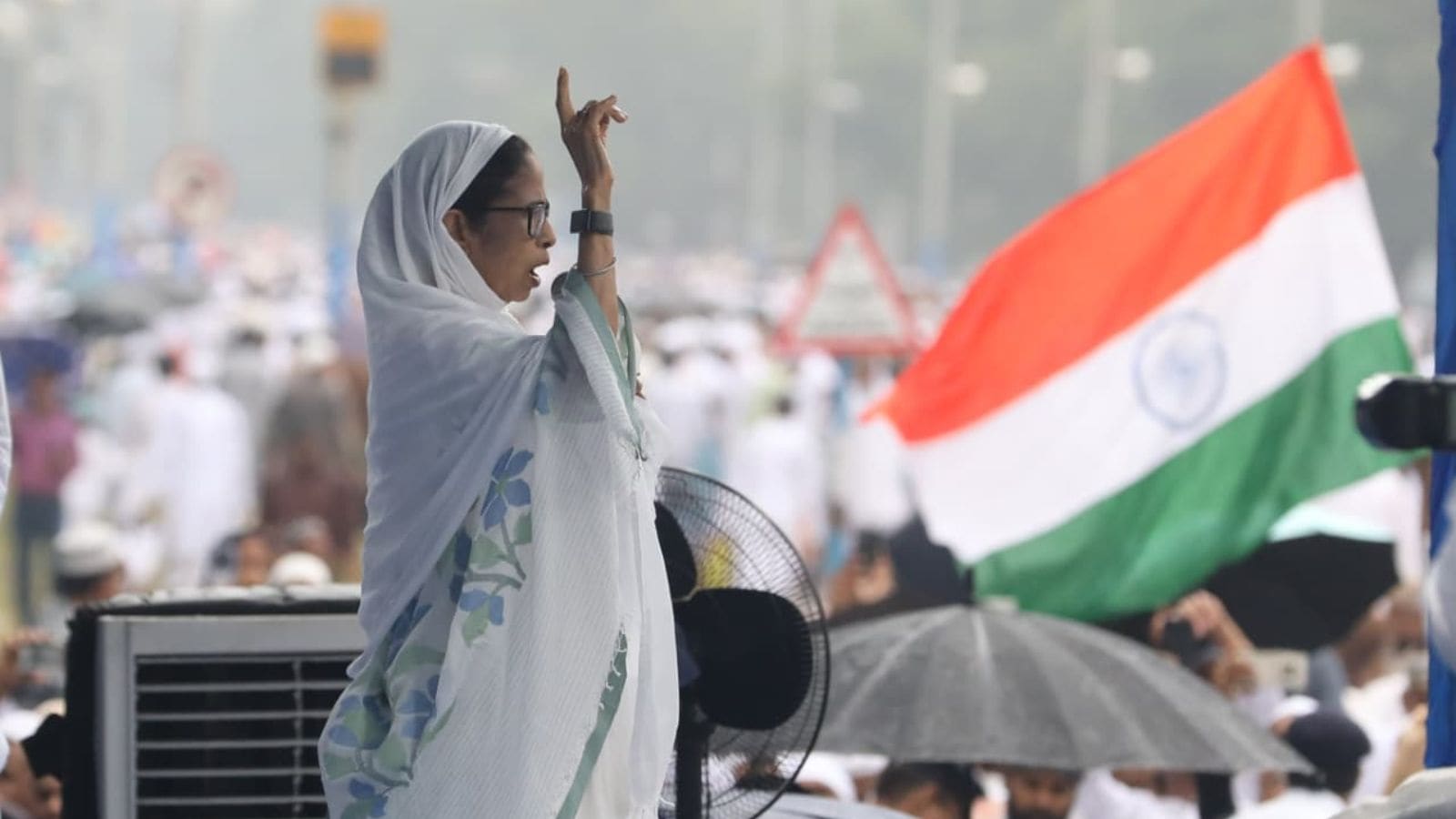
West Bengal Chief Minister Mamata Banerjee delivered a strong speech at a large Eid gathering in Kolkata, where she directly criticized Prime Minister Narendra Modi and the BJP. During the event, she responded to frequent accusations of allowing illegal immigration by calling the BJP leaders the "bigger infiltrators." Banerjee promised the crowd that she would not allow the implementation of controversial laws like the Citizenship Amendment Act (CAA) or the National Register of Citizens (NRC) in her state. Her comments highlight the growing political tension between the West Bengal state government and the central government in New Delhi.
Main Impact
The main impact of this speech is the clear escalation of political words between the Trinamool Congress (TMC) and the Bharatiya Janata Party (BJP). By using the word "infiltrator" against the Prime Minister, Banerjee is trying to flip a common political attack used against her party. This move is designed to strengthen her support among minority voters and those who worry about new citizenship laws. It also signals that West Bengal will continue to be a major area of resistance against federal policies that the state government views as divisive.
Key Details
What Happened
The speech took place at Red Road in Kolkata, where thousands of people had gathered to offer prayers for Eid-ul-Fitr. Mamata Banerjee joined the gathering to offer her greetings but quickly turned her focus to political issues. She told the audience that she is prepared to face any challenge, including the use of central investigative agencies against her party, to protect the rights of the people in Bengal. She spoke about the importance of unity and warned against efforts to divide the population based on religion or background.
Important Numbers and Facts
Banerjee focused on three major policy items: the Citizenship Amendment Act (CAA), the National Register of Citizens (NRC), and the Uniform Civil Code (UCC). She stated clearly that none of these would be allowed to take effect in West Bengal as long as she is in power. She also accused the central government of using the CBI and the ED—two major federal agencies—to pressure her leaders. The Chief Minister emphasized that her fight is for the "soul of the country" and that she would not back down regardless of the political cost.
Background and Context
The term "infiltrator" has been a sensitive word in Indian politics for a long time. The BJP often uses this word to describe people they claim have entered India illegally from neighboring countries like Bangladesh. They have frequently accused Mamata Banerjee’s government of ignoring this issue to gain votes from these groups. On the other side, Banerjee and her supporters say these claims are made up to create fear and win elections. The CAA is a law passed by the central government that fast-tracks citizenship for non-Muslim refugees from nearby countries. Critics, including Banerjee, say this law is unfair because it excludes Muslims and goes against the secular nature of India's constitution.
Public or Industry Reaction
The reaction to Banerjee's speech has been split along party lines. Supporters of the TMC praised her for standing up to the central government and for her bold language. They see her as a protector of the state's diverse culture. However, BJP leaders quickly hit back, calling her comments "unfortunate" and "anti-national." They argue that the CAA is a law passed by Parliament and that no state leader has the right to stop it. Political experts note that this kind of strong language is common as elections draw near, as both sides try to motivate their core voters.
What This Means Going Forward
Looking ahead, the relationship between the West Bengal government and the central government is likely to remain very tense. There will probably be more legal and political battles over how federal laws are applied in the state. If the central government tries to start the NRC or enforce the CAA more strictly, we can expect more protests and court cases from the Bengal government. This situation also sets the stage for a very heated election season, where identity, citizenship, and state rights will be the most important topics for voters to consider.
Final Take
Mamata Banerjee’s speech shows that she is not afraid to use the BJP's own rhetoric against them. By calling the Prime Minister an infiltrator, she has raised the stakes of the political debate in India. This conflict is about more than just words; it is a fundamental disagreement over who belongs in the country and how the law should treat different groups of people. The coming months will show whether this strategy helps her maintain control in West Bengal or if the central government's pressure will lead to a change in the state's political direction.
Frequently Asked Questions
Why did Mamata Banerjee call PM Modi an infiltrator?
She used the term to push back against the BJP's frequent claims that her government allows illegal immigrants into the country. She was suggesting that the BJP leaders are the ones who do not truly belong to the local culture or interests of the people.
What are the CAA and NRC?
The CAA is a law that makes it easier for non-Muslim refugees from certain countries to get Indian citizenship. The NRC is a proposed list of all legal citizens in the country. Critics fear these tools could be used together to target certain minority groups.
Can a state government stop a federal law like the CAA?
This is a complex legal question. While the central government makes laws about citizenship, state governments are often responsible for the local administration and police work needed to carry them out. This creates a "tug-of-war" between the two levels of government.



