
Summary
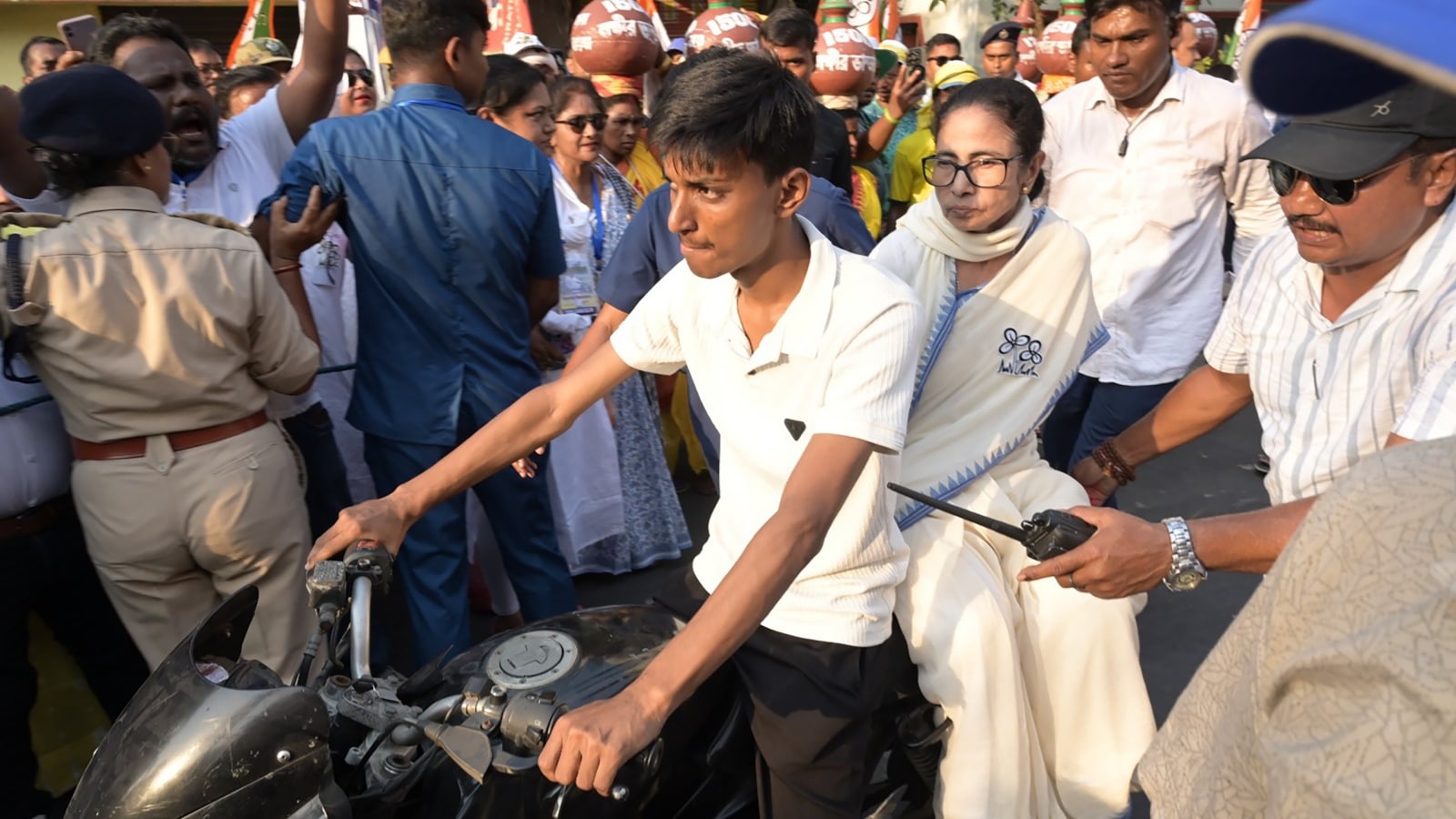
West Bengal Chief Minister Mamata Banerjee faced an unexpected situation during a campaign event in her home constituency of Bhabanipur. While she was preparing to address the crowd, supporters of the Bharatiya Janata Party (BJP) began shouting slogans against her. The protesters used the word "chor," which means thief, to express their anger. Following the loud and persistent chanting, the Chief Minister decided to leave the stage and the venue. This event highlights the rising political tension in the region as parties compete for control.
Main Impact
The incident in Bhabanipur marks a significant moment in West Bengal politics. Bhabanipur is widely seen as the personal stronghold of Mamata Banerjee, where she usually enjoys strong support. Having a direct and loud protest occur in her own backyard suggests that the opposition is becoming more bold. This event has shifted the focus of the current campaign toward the issue of corruption. It also shows that the political divide in the state is growing deeper, making public events more unpredictable for leaders on both sides.
Key Details
What Happened
The event took place during a scheduled campaign stop where Mamata Banerjee was expected to meet with local residents and party workers. As she arrived and took her place on the stage, a group of BJP supporters gathered nearby. They began chanting "chor chor" in a synchronized manner. The noise was loud enough to interfere with the program. Despite the presence of security and party supporters, the chanting did not stop. After a short period, the Chief Minister chose to exit the stage and leave the area in her vehicle. The program ended abruptly, leaving many of her supporters surprised by the sudden turn of events.
Important Numbers and Facts
The protest happened in Bhabanipur, a key area in South Kolkata. This constituency is vital because it is where Mamata Banerjee lives and has won previous elections by large margins. In the last major election, she won this seat with a significant lead of over 50,000 votes. The use of the "chor" slogan refers to ongoing investigations by federal agencies into various government departments in West Bengal. These investigations have led to the arrest of several high-ranking officials over the past two years, which the opposition uses as a main talking point during their rallies.
Background and Context
To understand why this happened, it is important to look at the political history of West Bengal. For over a decade, the Trinamool Congress (TMC), led by Mamata Banerjee, has been the dominant party. However, the BJP has grown into a strong opposition force. The two parties often clash over issues like governance and social welfare. Recently, the state government has been hit by several scandals related to jobs in schools and the distribution of food supplies. The BJP has used these scandals to claim that the current administration is not being honest with the people. By shouting these slogans in Bhabanipur, the BJP is trying to show that even the Chief Minister’s home turf is no longer off-limits for their protests.
Public or Industry Reaction
The reaction to the incident was split along party lines. Leaders from the Trinamool Congress expressed their anger, calling the BJP's actions "disrespectful" and "undemocratic." They argued that the BJP is using cheap tactics because they cannot win through regular political debates. TMC spokespeople stated that the people of Bhabanipur still stand with their leader and will give a fitting reply at the ballot box. On the other side, BJP leaders defended the protesters. They claimed that the slogans were a natural reaction from citizens who are frustrated with corruption. Local residents had mixed feelings; some were upset by the disruption of the event, while others felt that political tension is becoming a normal part of life in the city.
What This Means Going Forward
This incident is a sign that the upcoming election cycle will be very intense. We can expect to see more aggressive campaigning from both the TMC and the BJP. For Mamata Banerjee, this may lead to a change in how her public appearances are managed. There will likely be more security and stricter control over who can get close to the campaign stages. For the BJP, this event serves as a morale booster for their workers, showing them that they can challenge the Chief Minister directly. However, there is also a risk that such confrontations could lead to physical clashes between supporters of the two parties. The police will have a difficult task in keeping the peace as more rallies are planned across the state.
Final Take
The confrontation in Bhabanipur shows that no political leader is completely safe from public criticism, even in their own home territory. While slogans and protests are common in politics, the direct nature of this incident highlights a very high level of anger and competition. As the election draws closer, the focus will likely remain on these heated exchanges. The real test will be whether these protests change the minds of voters or simply make the existing political battle more aggressive. Both parties now have to decide if they will continue with this high-pressure approach or try to focus more on the actual needs of the people.
Frequently Asked Questions
Why did the protesters use the word "chor"?
The word means "thief." Protesters use it to highlight allegations of corruption and money-related scandals involving members of the state government.
Why is Bhabanipur important in West Bengal politics?
Bhabanipur is the home constituency of Chief Minister Mamata Banerjee. It is considered her strongest political base and a symbol of her power in Kolkata.
What did Mamata Banerjee do after the slogans started?
After the slogans became loud and disrupted the event, the Chief Minister decided to leave the stage and the campaign venue rather than continuing with her speech.



