
Summary
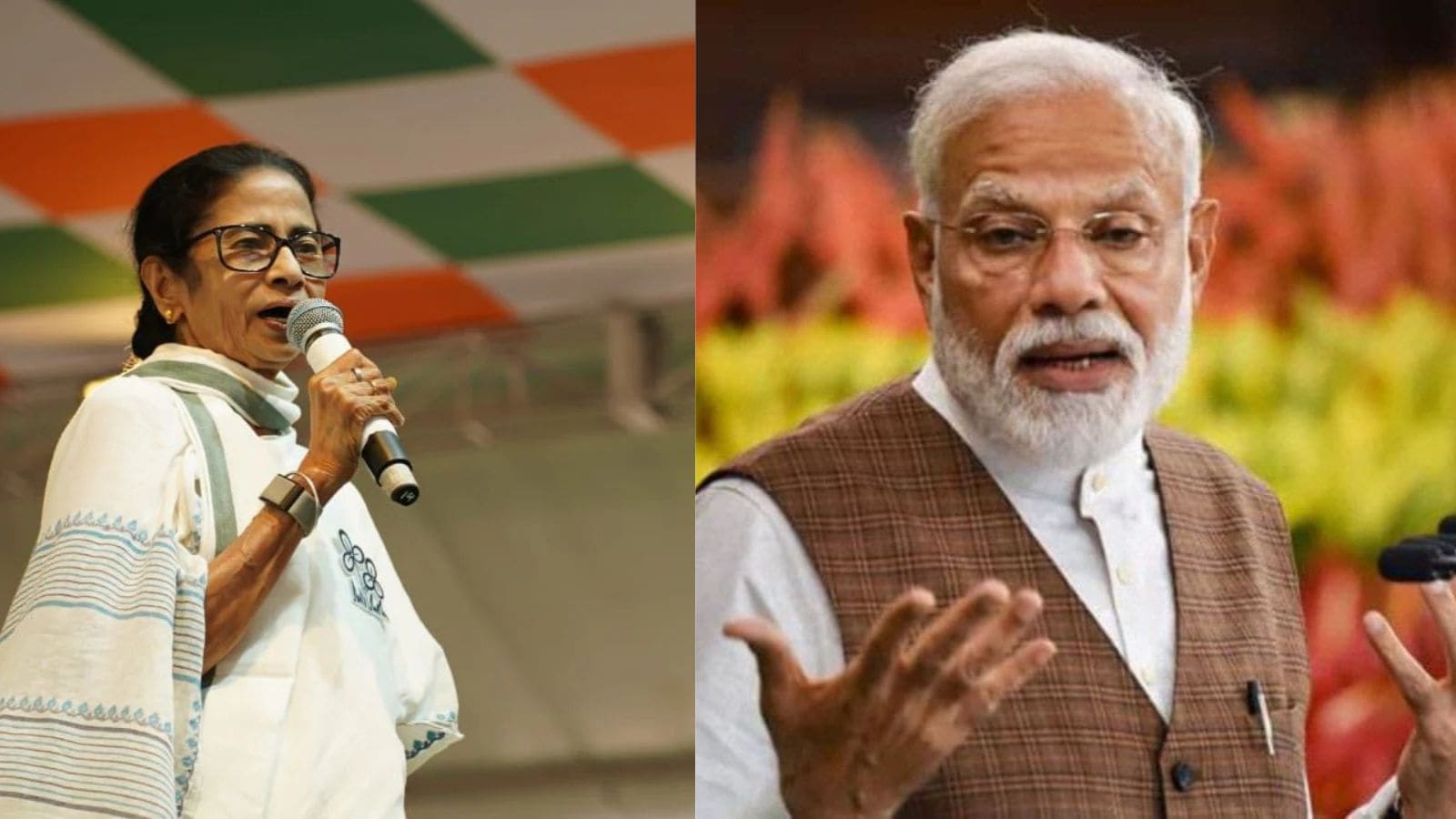
West Bengal Chief Minister Mamata Banerjee has launched a sharp verbal attack on Prime Minister Narendra Modi. Her comments came after the Prime Minister made a controversial remark regarding the women’s reservation bill. Banerjee described the Prime Minister’s words as "cowardly" and "fork-tongued," accusing the central government of misleading the public. This dispute centers on when women will actually see the benefits of the new law that promises them more seats in the government.
Main Impact
The main impact of this clash is a growing divide between the ruling party and the opposition over women's rights in politics. While the government has passed a law to give women 33% of seats in parliament, it will not be put into action for several years. This delay has turned a historic piece of legislation into a major point of political fighting. Mamata Banerjee’s strong reaction shows that the opposition intends to make this delay a key issue in upcoming elections.
Key Details
What Happened
The conflict started when Prime Minister Modi used the term "female foeticide" in a political sense. He suggested that political parties who delayed the women’s reservation bill in the past were guilty of a form of "political foeticide" against women's rights. Mamata Banerjee found this comparison highly offensive. She argued that the Prime Minister was using harsh language to hide the fact that his government is not implementing the law immediately. She accused the BJP of being "fork-tongued," which means saying one thing while doing another.
Important Numbers and Facts
The law in question is the Nari Shakti Vandan Adhiniyam. It aims to reserve one-third of the seats in the Lok Sabha and state assemblies for women. However, the government has stated that this can only happen after two major events: a new national census and a process called delimitation. Delimitation is when the boundaries of voting areas are redrawn based on new population data. Because the census has been delayed, experts believe the women's quota might not actually start until 2029 or even later. Banerjee pointed out that her party, the Trinamool Congress, already has a high number of female representatives without being forced by a law.
Background and Context
For over thirty years, different governments in India have tried to pass a law to give women more power in parliament. Many times, the bill failed because parties could not agree on the details. In 2023, the current government finally passed the bill with a large majority. While this was seen as a victory, the "fine print" caused a lot of anger. The opposition argues that if the government truly cared about women's representation, they would start the quota in the very next election. By linking it to the census and boundary changes, the opposition claims the government is just making a promise they don't have to keep right away.
Public or Industry Reaction
The reaction to this political fight has been split. Supporters of the Prime Minister say he is the only leader who had the courage to turn the bill into an actual law. They believe the technical steps like the census are necessary to make the system fair. On the other side, women’s rights groups and opposition leaders have expressed frustration. They feel that women are being asked to wait too long for a right that was promised decades ago. Mamata Banerjee’s comments have resonated with those who feel the government is using the bill as a tool for gaining votes rather than creating immediate change.
What This Means Going Forward
Going forward, the timeline for the women's quota will remain a hot topic. The government will face constant pressure to speed up the census process. If the census continues to be delayed, the criticism from leaders like Mamata Banerjee will likely get louder. This issue will also affect how female voters view the major parties. Both the BJP and the opposition will try to prove they are the true champions of women’s rights. The next few years will show whether the law leads to real change or if it remains a topic of political debate.
Final Take
The heated exchange between Mamata Banerjee and PM Modi shows that the fight for women's representation is far from over. While the law exists on paper, the battle over its timing and honesty continues. The use of strong language on both sides highlights how important the female vote has become in Indian politics. For the average citizen, the focus remains on when these promises will turn into actual seats for women in the halls of power.
Frequently Asked Questions
What is the women’s reservation bill?
It is a law that reserves 33% of the seats in India's lower house of parliament and state assemblies for women to ensure they have a fair share of political power.
Why is Mamata Banerjee angry about the bill?
She is angry because the law will not be implemented immediately. She believes the government is using it to get credit without actually giving women the seats for many years.
When will the women's quota actually start?
The quota is expected to start only after the next census and the redrawing of voting boundaries are finished. This means it likely won't happen until at least 2029.



