
Summary
West Bengal Chief Minister Mamata Banerjee has launched a strong verbal attack against Prime Minister Narendra Modi, claiming that his political power is starting to fade. During a recent public gathering, she argued that the central government’s plan for a delimitation bill is actually a hidden move to create divisions within India and specifically within West Bengal. Banerjee warned that these changes to voting boundaries could hurt the representation of certain states and weaken the country's unity.
Main Impact
The primary impact of these statements is a rise in political tension between the central government and regional leaders. By calling the delimitation bill a "ploy," Banerjee is signaling a major fight over how parliamentary seats are shared across the country. This debate touches on the balance of power between the North and South, as well as the East, making it a sensitive issue for millions of voters who fear their voices might be silenced in the future.
Key Details
What Happened
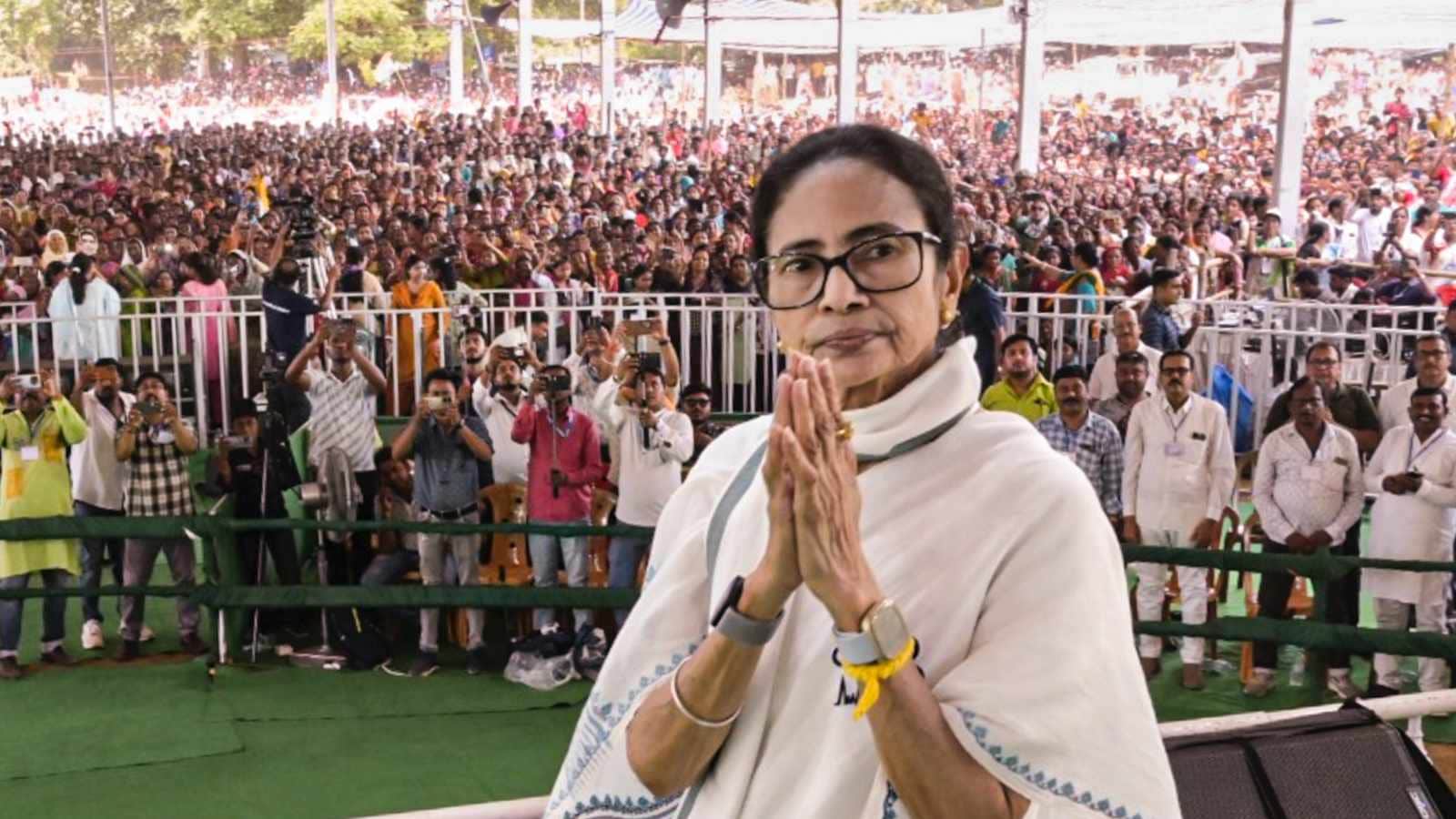
Mamata Banerjee spoke to a large crowd where she criticized the Bharatiya Janata Party (BJP) for its recent policy decisions. She focused heavily on the upcoming delimitation process, which is the task of redrawing the boundaries of Lok Sabha and Assembly seats based on the latest population data. Banerjee claimed that this process is not just a routine administrative task but a political tool designed to benefit the ruling party while reducing the influence of states like West Bengal.
Important Numbers and Facts
The delimitation process has been a topic of worry for several years. Under current laws, the number of seats in the Indian Parliament is based on the 1971 census. The government plans to update these numbers based on a new census, which could significantly increase the number of seats in states with high population growth. Critics point out that states that successfully managed their population growth, such as West Bengal and many southern states, might end up with less power compared to northern states like Uttar Pradesh or Bihar.
Background and Context
To understand this issue, it is important to know what delimitation means. In simple terms, it is the process of deciding how many people each Member of Parliament (MP) represents. As the population grows, the government needs to change the borders of voting areas so that each MP represents a similar number of people. However, this has not been done for decades because states that controlled their population growth feared they would lose their share of seats in Parliament.
Banerjee’s comments come at a time when the central government is pushing for a new census and the implementation of the Women’s Reservation Bill, which is linked to the delimitation process. She believes that the BJP is using these legal steps to gain an unfair advantage in future elections and to break the strength of regional parties that hold power in their respective states.
Public or Industry Reaction
The reaction to Banerjee’s speech has been divided. Members of her party, the Trinamool Congress (TMC), have supported her views, stating that the central government often ignores the needs of West Bengal. They argue that any attempt to change voting boundaries must be done fairly and without political bias. On the other hand, BJP leaders have dismissed her claims as an attempt to scare voters. They maintain that delimitation is a constitutional requirement that ensures every citizen's vote has equal value.
Political experts suggest that this issue will become a major talking point in the coming months. Many regional leaders from other states have expressed similar concerns, fearing that a shift in seat numbers will lead to a "northern bias" in Indian politics. This has led to calls for a more balanced approach that does not punish states for their social and economic progress.
What This Means Going Forward
Looking ahead, the fight over delimitation is likely to reach the courts. If the central government moves forward with the bill, opposition-led states may challenge it legally, arguing that it violates the spirit of federalism. There is also a risk of increased social unrest if people feel that their state is being treated unfairly by the center. For Mamata Banerjee, this issue serves as a way to unite her supporters against what she describes as an "outsider" force trying to control Bengal.
Final Take
The debate over the delimitation bill is more than just a fight over maps and numbers; it is a fight for the soul of Indian democracy. While the government sees it as a necessary update, leaders like Mamata Banerjee see it as a threat to the diversity and balance of the nation. As the political climate heats up, the way this issue is handled will determine the future of state-center relations for years to come.
Frequently Asked Questions
What is the delimitation bill?
The delimitation bill is a plan to redraw the boundaries of parliamentary and assembly constituencies based on the most recent population data to ensure equal representation.
Why is Mamata Banerjee against it?
She believes the bill is a political trick to reduce the power of states like West Bengal and give more seats to states where the BJP is stronger.
When will the delimitation happen?
The process is expected to start after the next census is completed, which is a key step before the new boundaries can be officially set.



