
Summary
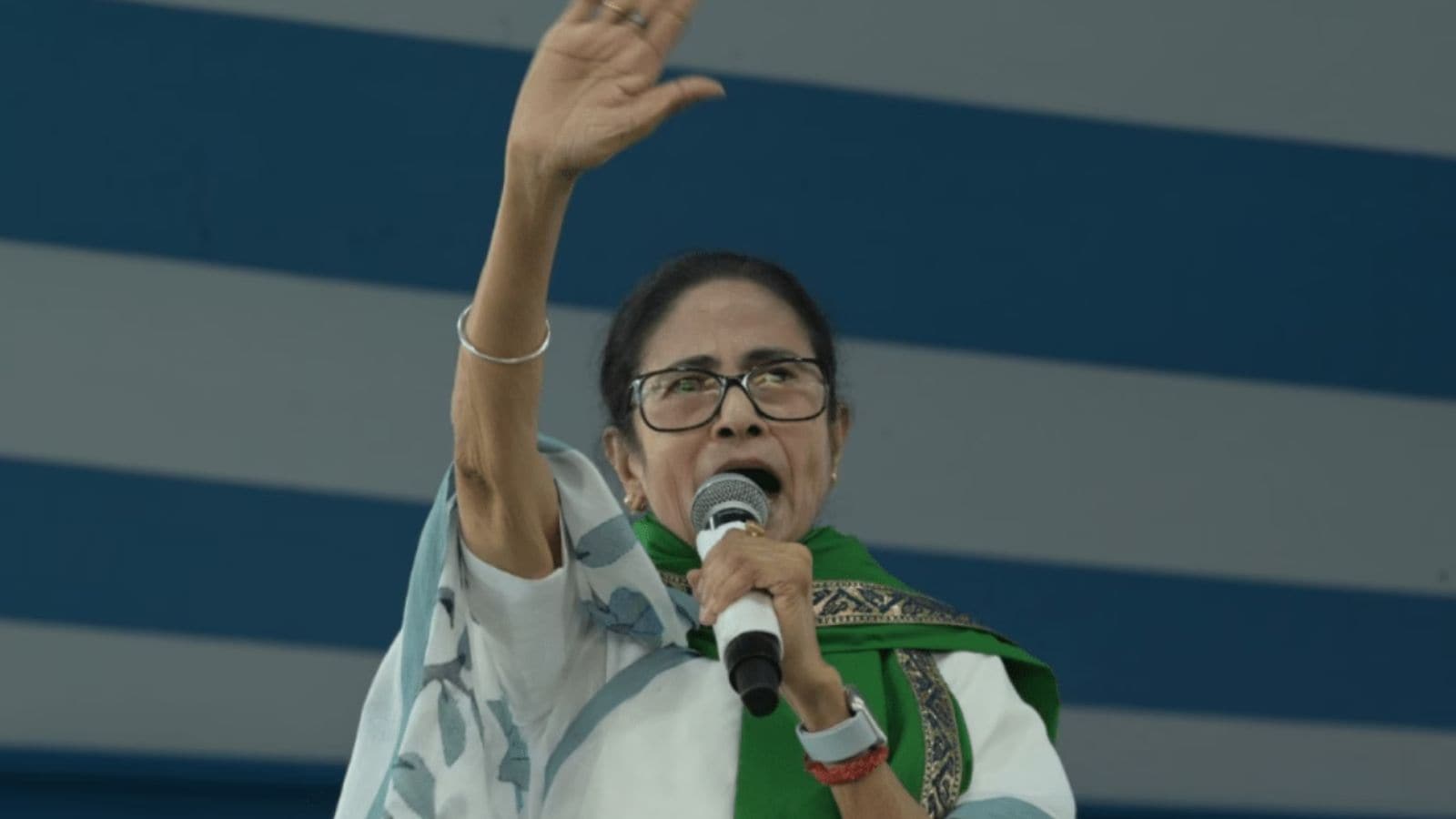
Mamata Banerjee, the Chief Minister of West Bengal, is well-known for her strong personality and direct way of speaking. Recently, her public displays of anger have become a major topic of discussion across India. From walking out of live television interviews to expressing frustration at political rallies in Bhawanipore, her reactions often grab headlines. These moments show a leader who is quick to defend her work and her party, but they also raise questions about how she handles criticism and pressure.
Main Impact
The main impact of these outbursts is a shift in public focus. When the Chief Minister gets angry, the conversation often moves away from the actual policy or problem being discussed and centers on her behavior instead. For her supporters, this anger is seen as a sign of her passion and her "street fighter" spirit. However, for her critics, it is viewed as a way to avoid answering difficult questions about governance, law and order, or corruption within the state.
Key Details
What Happened
In recent months, several incidents have highlighted this trend. During a rally in her own constituency of Bhawanipore, Banerjee showed visible irritation with the crowd and local organizers. She has also been seen losing her cool during administrative meetings when officials fail to meet her expectations. This behavior is not new; it follows a long history of similar events. One of the most famous examples occurred years ago when she walked out of a televised interview after being asked tough questions by students, whom she labeled as political opponents.
Important Numbers and Facts
Mamata Banerjee has served as the Chief Minister of West Bengal since 2011, marking over 13 years in power. During this time, she has led her party, the Trinamool Congress (TMC), to three consecutive assembly election victories. Despite her electoral success, data shows that public protests regarding safety and corruption have increased in recent years. For instance, the recent protests following the RG Kar Hospital incident saw thousands of people on the streets, which led to several high-pressure public appearances where the Chief Minister appeared visibly upset with the media and the opposition.
Background and Context
To understand why Mamata Banerjee reacts with anger, one must look at her political history. She spent decades fighting against the long-standing Communist rule in West Bengal. During those years, she was often physically attacked and faced many hardships. This shaped her into a leader who feels she must always be on the defensive. She views herself as a protector of the people, and when she is questioned, she often feels it is a personal attack on her integrity or the progress of the state. In her mind, she is still the activist fighting against a system that wants to bring her down.
Public or Industry Reaction
The reaction to her anger is deeply divided. Political analysts note that her base of rural voters often likes her fiery attitude because it makes her look strong and relatable. They see her as a "Didi" (elder sister) who will fight for them. On the other hand, the urban middle class and the opposition parties, such as the BJP and the Left, argue that a Chief Minister should show more restraint. They claim that her anger is a tool used to silence dissent and stop people from asking about important issues like job creation and state security.
What This Means Going Forward
As West Bengal moves closer to future elections, the pressure on the state government is likely to grow. The opposition is becoming more vocal, and social media makes it easier for clips of her outbursts to go viral instantly. If these displays of anger continue, they could alienate neutral voters who want to see a more calm and stable form of leadership. However, Banerjee is unlikely to change her style. Her political identity is built on being authentic and raw, and she believes that being soft would be seen as a sign of weakness by her opponents.
Final Take
Mamata Banerjee remains one of the most powerful and unique figures in Indian politics. Her anger is not just a random emotion; it is a core part of her political brand. While it helps her connect with her loyal followers, it also creates a wall between her and those who seek more transparency. In a changing political world, the challenge for her will be to balance this famous fire with the patience required to lead a diverse and often restless state.
Frequently Asked Questions
Why does Mamata Banerjee get angry during interviews?
She often reacts strongly when she feels that questions are biased or intended to make her government look bad. She prefers direct communication and can become defensive if she senses a political motive behind a question.
What happened at the Bhawanipore rally?
During the rally, the Chief Minister expressed frustration with the lack of discipline and the way certain local issues were being handled. She used the platform to remind her party workers and the public of her long history of struggle.
How do these outbursts affect her political standing?
While some voters find her anger off-putting, many of her core supporters see it as a sign of her honesty and strength. It reinforces her image as a leader who is not afraid to speak her mind, regardless of the setting.



