
Summary
West Bengal Chief Minister Mamata Banerjee has raised serious concerns about the current political state of her province. She recently claimed that the central government is running West Bengal through an "unofficial President's Rule." Additionally, she warned the public that the central government intends to use the National Register of Citizens (NRC) and the upcoming Census to take away the citizenship of many residents. These statements mark a significant escalation in the ongoing political battle between the state of West Bengal and the federal government in New Delhi.
Main Impact
The primary impact of these allegations is an increase in political tension and public anxiety across West Bengal. By claiming that an "unofficial President's Rule" is in place, the Chief Minister is suggesting that the elected state government is being bypassed by federal authorities. This creates a sense of instability in how the state is governed. Furthermore, her warnings about the NRC and the Census have sparked fear among various communities who worry about their legal status in the country. This situation could lead to widespread protests and a deeper divide between different political groups.
Key Details
What Happened
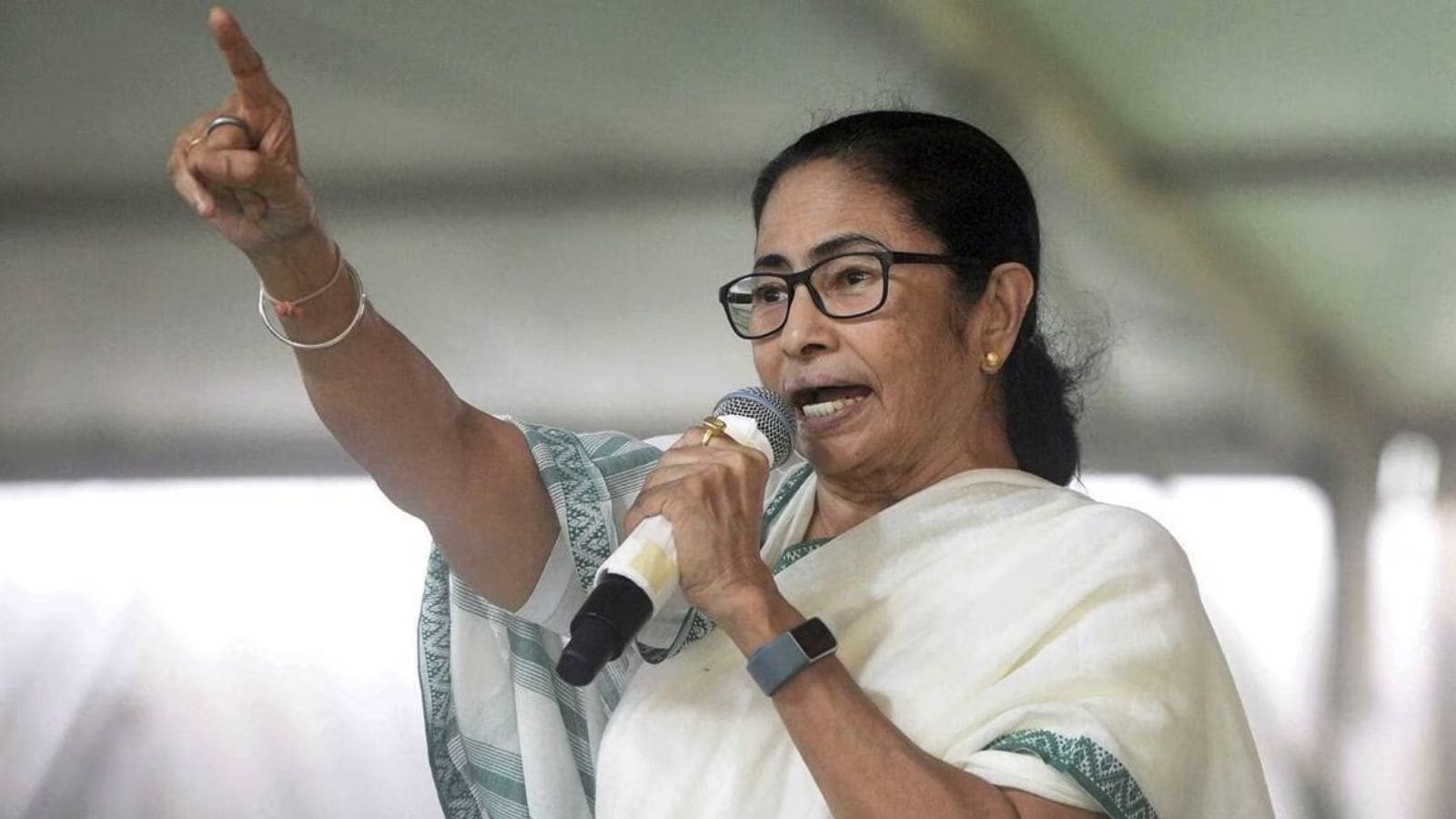
During a recent public event, Mamata Banerjee spoke strongly against the actions of the central government. She argued that federal agencies, such as the Central Bureau of Investigation (CBI) and the Enforcement Directorate (ED), are being used to interfere with state matters. She believes these agencies are targeting her party members to weaken the state government’s power. Banerjee also focused on the link between the national Census and the NRC. She told her supporters that the government might use the data collected during the Census to identify people they want to remove from the citizenship list.
Important Numbers and Facts
The debate over citizenship laws has been active for several years. The Citizenship Amendment Act (CAA) was passed in 2019, which led to massive protests across India. While the central government says these laws are meant to help refugees, critics like Banerjee argue they are designed to discriminate. The national Census, which usually happens every ten years, has been delayed since 2021. The Chief Minister pointed out that this delay and the eventual rollout of the Census are closely tied to the NRC plans. She urged citizens to be careful about the documents they provide to government officials.
Background and Context
To understand this issue, it is important to know what "President's Rule" means. In India, the central government can take direct control of a state if the state government fails to function according to the law. This is known as President's Rule. Mamata Banerjee is not saying this has officially happened, but she believes the central government is acting as if it has. She claims that the Governor and federal agencies are making decisions that should belong to the state. The fear of the NRC comes from a similar process that happened in the state of Assam, where nearly two million people were left off the citizenship list and had to prove their identity in court.
Public or Industry Reaction
The reaction to these statements has been split along political lines. Supporters of the Trinamool Congress (TMC) agree with the Chief Minister, stating that the central government is overstepping its boundaries. They see the use of federal agencies as a political tool to silence the opposition. On the other hand, leaders from the Bharatiya Janata Party (BJP) have dismissed these claims. They argue that the Chief Minister is using "scare tactics" to distract people from local issues and corruption cases. Legal experts have also weighed in, noting that while the state has rights, the central government has the authority to conduct a national Census and manage border security.
What This Means Going Forward
Looking ahead, the relationship between West Bengal and the central government is likely to remain tense. As the dates for the Census approach, we can expect more debates and legal challenges regarding how data is collected and used. There is a high chance of increased security presence and more frequent visits from central officials to the state. For the average citizen, this means staying informed about their rights and ensuring their personal documents are in order. The political rhetoric will likely intensify as both sides prepare for future elections, using the issue of citizenship as a major talking point.
Final Take
The clash between Mamata Banerjee and the central government highlights a fundamental struggle over state rights and national authority. While the Chief Minister frames the issue as a fight for the identity and safety of her people, the central government views its actions as necessary for national security and administration. This ongoing dispute ensures that West Bengal will remain at the center of India's political conversation for the foreseeable future. Clear communication and legal clarity will be essential to prevent public panic and ensure that the rights of all residents are protected.
Frequently Asked Questions
What is "unofficial President's Rule"?
It is a term used by Mamata Banerjee to describe her belief that the central government is controlling West Bengal's affairs through federal agencies and the Governor, without officially declaring a takeover.
Why is the Census linked to the NRC?
Critics fear that the information gathered during the national Census will be used to create the National Register of Citizens (NRC), which could lead to some people losing their legal status if they cannot prove their ancestry.
What can citizens do to protect their status?
Officials and leaders often advise citizens to keep their identification documents, such as birth certificates and land records, updated and safe in case they need to prove their residency or citizenship in the future.



