
Summary
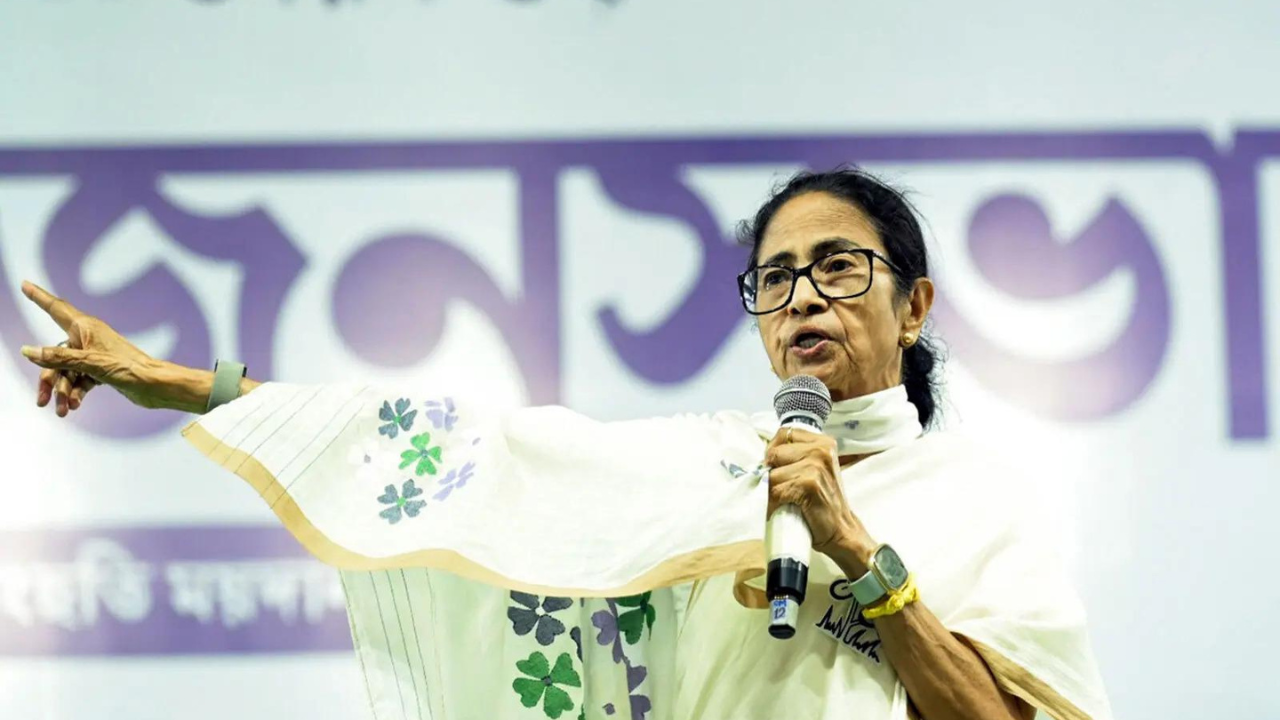
West Bengal Chief Minister Mamata Banerjee has publicly criticized the Election Commission, claiming the body is showing favoritism. She alleges that her party, the Trinamool Congress (TMC), is being blocked from holding public rallies while the BJP receives easy approvals. This dispute has raised serious questions about the fairness of the current election process in the state. Banerjee has warned that these actions will not go unnoticed by the voters, who she believes will respond at the polling booths.
Main Impact
The main impact of these accusations is a growing lack of trust in the election process. When a high-ranking official like a Chief Minister claims that the "referee" of the election is taking sides, it creates a tense atmosphere. This situation could lead to more protests and a more divided public. It also puts a lot of pressure on the Election Commission to prove that it is acting fairly and following the same rules for every political party, regardless of who is in power at the national level.
Key Details
What Happened
The conflict started when Mamata Banerjee tried to organize a large public meeting in Kolkata. According to her, the Election Commission denied her request for the event. She expressed her anger by stating that the commission told her plainly that permission would not be granted. However, she pointed out that Prime Minister Narendra Modi was allowed to hold his own events in the same area around the same time. She views this as a clear sign that the rules are being applied differently for different leaders.
Important Numbers and Facts
Banerjee also brought up issues regarding her travel. She claimed that her campaign schedule was intentionally disrupted. Specifically, she mentioned that her flights and movements were delayed, which she believes was a tactic used by the BJP to slow down her campaign. The Chief Minister did not just complain about the denied meeting; she framed it as a larger pattern of obstruction. She used the term "democratic retribution" to describe how she expects the public to punish this behavior during the election.
Background and Context
In India, the Election Commission is an independent group that manages how elections are run. Their job is to make sure that no party has an unfair advantage. They use a set of rules called the Model Code of Conduct. These rules decide when and where a leader can speak to the public. They also handle security and logistics to keep people safe during large gatherings. In West Bengal, the political fight between the TMC and the BJP has been very intense for several years. Both parties are fighting hard for every seat, which makes the role of the Election Commission even more important and more difficult.
Public or Industry Reaction
The reaction to Banerjee's comments has been split. Her supporters are very upset and feel that the central government is using national agencies to silence their leader. They see the denial of rally permissions as an attack on their right to campaign. On the other hand, the BJP and other critics often argue that the Election Commission makes decisions based on safety and police reports. They suggest that if a meeting is denied, it is because of security concerns or scheduling conflicts, not because of political bias. This disagreement has led to a lot of heated talk on social media and in local news outlets.
What This Means Going Forward
Looking ahead, this conflict will likely make the election even more competitive. The TMC is expected to use this issue to gain sympathy from voters, portraying themselves as the party being treated unfairly. We may see more formal complaints filed with the courts or the national government. The Election Commission will be under a microscope for the rest of the voting period. Every decision they make regarding rally permissions or security will be closely watched by the media and the public to see if there is any truth to the claims of bias.
Final Take
A healthy democracy needs a fair system where every candidate has the same chance to speak to the voters. When there are claims of bias, it hurts the spirit of the election. Whether the claims are true or not, the focus has now shifted from policy issues to the fairness of the system itself. In the end, the voters in West Bengal will have the final say on which leaders they trust to represent them.
Frequently Asked Questions
Why did Mamata Banerjee accuse the Election Commission of bias?
She claimed that her party was denied permission for a rally in Kolkata while Prime Minister Modi's events were approved quickly. She believes this shows the commission is favoring the BJP.
What does "democratic retribution" mean in this context?
It is a phrase used by Banerjee to suggest that the voters will punish the BJP and the authorities at the ballot box for what she sees as unfair treatment of her party.
What is the role of the Election Commission during an election?
The Election Commission is an independent body that sets the rules for elections, grants permissions for rallies, and ensures that all parties follow the law to keep the process fair and safe.



