
Summary
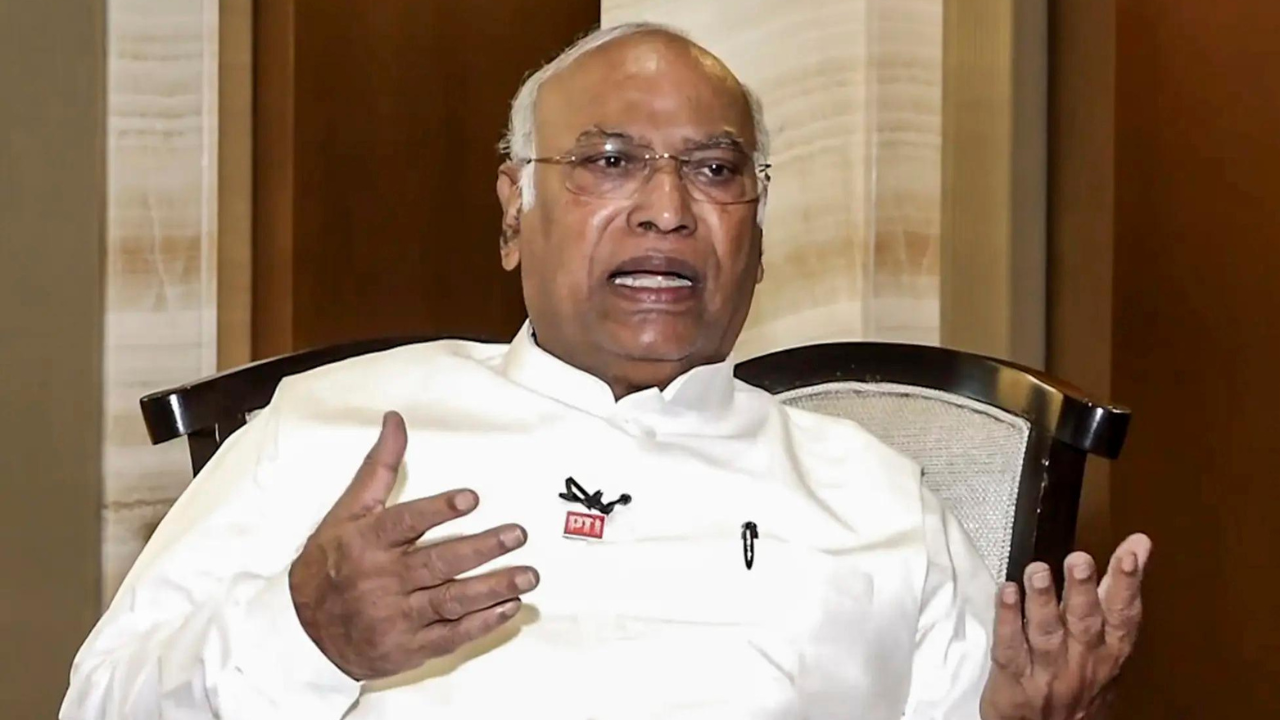
Mallikarjun Kharge, the president of the Congress party, has responded to a strict warning from the Election Commission of India. The warning follows a controversial comment where Kharge used the word "terrorist" while speaking about Prime Minister Narendra Modi. Kharge told reporters that his party is prepared to give a formal answer once they receive the official notice. This development has added more tension to the ongoing political battle between the country's two largest parties.
Main Impact
The main impact of this situation is the potential for legal or disciplinary action against one of India’s top opposition leaders. The Election Commission (EC) acts as a referee during elections to ensure all parties follow the rules. By issuing a 24-hour ultimatum, the EC is signaling that it will not tolerate language that could be seen as a personal attack or a threat to public order. If the Congress party’s explanation is not accepted, Kharge could face a temporary ban from campaigning, which would hurt his party's efforts to reach voters.
Key Details
What Happened
The controversy began during a political rally in Chennai. While addressing a crowd, Mallikarjun Kharge made a speech where he referred to Prime Minister Narendra Modi as a "terrorist." The Bharatiya Janata Party (BJP) immediately filed a complaint with the Election Commission, calling the remark an insult to the Prime Minister's office. The EC reviewed the speech and decided that the language might have violated the Model Code of Conduct, which governs how politicians should behave during an election.
Important Numbers and Facts
The Election Commission issued a notice on April 22, 2026, giving Kharge exactly 24 hours to explain his statement. This short deadline shows that the commission views the matter as urgent. Kharge spoke to the media on April 23, 2026, confirming that he is aware of the situation. The Congress party now has a very small window of time to craft a legal response that justifies the use of such strong language or offers an apology to avoid further punishment.
Background and Context
In India, the Model Code of Conduct is a set of guidelines that all political parties agree to follow during election season. These rules are meant to keep the debate focused on policies and work rather than personal insults. In recent years, the language used in political speeches has become much harsher. The Election Commission is often criticized for being too soft or too slow, so this quick action against a high-profile leader is seen as an attempt to show that the rules still matter. This specific clash is part of a larger trend where leaders from both sides use strong words to energize their supporters.
Public or Industry Reaction
The BJP has been very vocal about the incident, stating that the Congress party has lost its way and is using "hateful language" because it cannot win on issues. BJP leaders have asked for a public apology and a total ban on Kharge’s campaign activities. On the other side, some Congress members claim that the remark is being taken out of context. They argue that the Prime Minister and other BJP leaders have also used harsh words in the past without facing the same level of scrutiny. Political experts believe this back-and-forth is a strategy to distract voters from economic problems like rising prices and unemployment.
What This Means Going Forward
The next steps depend entirely on the Congress party’s written reply. If the Election Commission finds the explanation reasonable, the matter might end with a simple warning. However, if the EC decides the remark was a serious violation, they could stop Kharge from speaking at rallies for several days. This would be a major setback for the Congress campaign in the final stages of the election. It also serves as a warning to other politicians to be more careful with their words, as the EC appears ready to take fast action against anyone who crosses the line.
Final Take
This incident highlights the thin line between political criticism and personal attacks. While free speech is a vital part of any democracy, the use of extreme labels can lead to legal trouble and a more divided public. As the election continues, the focus will likely stay on whether the Election Commission treats all parties equally when enforcing these rules. For now, the Congress party must focus on its legal defense while trying to keep its campaign on track.
Frequently Asked Questions
Why did the Election Commission send a notice to Mallikarjun Kharge?
The notice was sent because Kharge used the word "terrorist" to describe Prime Minister Narendra Modi during a campaign speech in Chennai, which may violate election rules.
How much time does the Congress party have to respond?
The Election Commission gave Mallikarjun Kharge a 24-hour deadline to provide a written explanation for his comments.
What are the possible punishments for violating the Model Code of Conduct?
Possible punishments include a formal warning, a temporary ban on public speaking and campaigning, or a notice to the party to stop using certain types of language in their advertisements.



