Summary
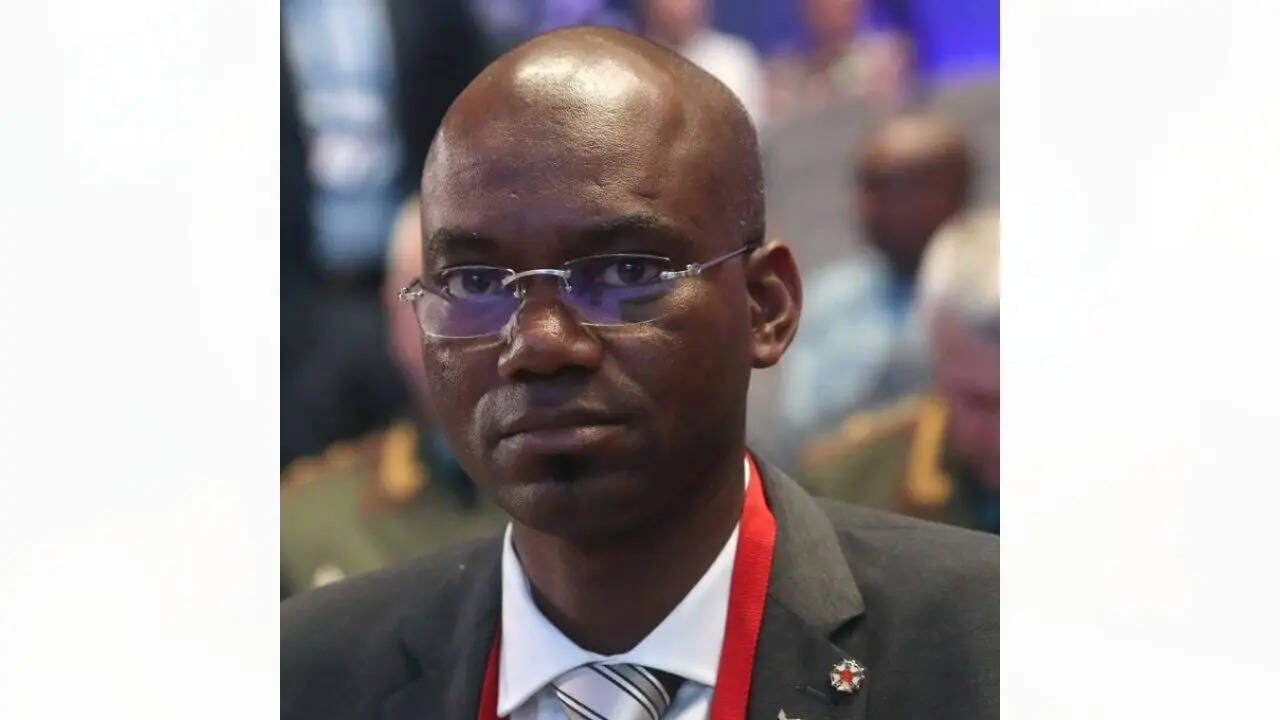
Mali is facing a major security crisis following the death of its Defence Minister, Sadio Camara. He was killed during a violent and targeted attack on his home. This event marks a dangerous shift in the country's long-running conflict, as armed groups have launched coordinated strikes across the capital and other major cities. The loss of such a high-ranking official is a significant blow to the military government’s efforts to maintain order.
Main Impact
The killing of Sadio Camara has sent shockwaves through the nation and the wider region. For several years, the capital city of Bamako was considered a safe zone, far from the heavy fighting in the north. However, this recent attack proves that the violence has reached the very heart of the government. The ability of armed groups to target a top military leader in his own home shows a serious failure in security and intelligence.
This development also suggests that the groups fighting the government are becoming much more organized. By hitting multiple targets at once, they have forced the Malian army to spread its resources thin. The impact is not just political; it has created a deep sense of fear among the public, who now worry that the war is entering a new and more violent phase in urban areas.
Key Details
What Happened
The attack on Minister Camara’s residence was part of a larger plan. On the day of the incident, several groups of fighters moved into Bamako and other key cities. They used heavy weapons and explosives to overwhelm security forces. While the government tried to repel the attackers, the strike on the minister’s home was successful, resulting in his death. This was not a random act of violence but a carefully planned operation meant to destabilize the ruling military council.
Important Numbers and Facts
The violence involved a mix of different rebel groups. Reports confirm that separatist fighters from the north have formed a new alliance with JNIM, a group known to be linked to Al-Qaeda. This partnership is a major change, as these groups previously had different goals and often fought separately. By joining forces, they have created a much larger and more dangerous threat to the state. The coordinated strikes happened on April 26, 2026, hitting at least three major urban centers simultaneously.
Background and Context
To understand why this matters, it is important to look at Mali’s history over the last decade. Since 2012, the country has been struggling with rebellions and extremist violence. In 2020 and 2021, the military took control of the government in two separate takeovers. They promised the people that they would bring peace and push back the armed groups that had taken over large parts of the north and center of the country.
Sadio Camara was a central figure in this military government. He was often seen as the person responsible for the country’s new security strategy, which included hiring foreign military contractors to help the Malian army. Because he was so important to the government’s plans, his death is more than just the loss of one man; it is a direct hit to the strategy the military has been using to stay in power and fight the insurgency.
Public or Industry Reaction
The reaction within Mali has been one of confusion and concern. Many people who supported the military government are now questioning if the army can truly protect the country. In the streets of Bamako, there is a visible increase in security checkpoints, and many shops have closed as people stay home to avoid further violence. International observers have also expressed alarm, noting that the alliance between separatists and Al-Qaeda-linked groups could make the conflict much harder to resolve through talks.
Neighboring countries are also on high alert. They fear that if the government in Mali loses control, the violence could easily spill over the borders into other parts of West Africa. Human rights groups have also raised concerns that the government might respond to this attack with even harsher military crackdowns, which could lead to more suffering for ordinary citizens.
What This Means Going Forward
The death of the Defence Minister will likely lead to a massive military response. The government will want to show that it is still in control and will probably launch new operations to find those responsible. However, the new alliance between the rebels makes this a difficult task. The government is now fighting an enemy that is better coordinated and more capable of attacking cities.
There is also the risk of political instability. With a key leader gone, there may be disagreements within the military about who should take his place and what the next steps should be. If the government cannot quickly restore a sense of safety, it may face more pressure from the public and the international community to find a different way to end the war, perhaps through negotiations rather than just fighting.
Final Take
The killing of Sadio Camara is a dark moment for Mali. It shows that the conflict is not going away and is actually getting closer to the people in the capital. The government now faces its biggest challenge yet: proving it can protect its leaders and its citizens against a newly united and powerful enemy.
Frequently Asked Questions
Who was Sadio Camara?
Sadio Camara was the Defence Minister of Mali and a key leader in the military government that has ruled the country since the recent takeovers. He was responsible for the nation's military strategy.
Who carried out the attack?
The attack was a coordinated effort by northern separatist fighters and a group called JNIM, which is linked to Al-Qaeda. These two groups have recently formed an alliance to fight the Malian government.
Why is this attack significant?
It is significant because it targeted a high-ranking official in the capital city, Bamako. This shows that the armed groups are now capable of reaching areas that were previously thought to be safe from the conflict.