
Summary
The 2006 Malegaon blasts case has officially reached a dead end after nearly 20 years of investigation. Despite three of India’s most powerful police agencies handling the matter, not a single person has been convicted for the deaths of 37 people. The case saw multiple shifts in theories, moving from one group of suspects to another, only for all of them to be cleared by the courts. This outcome leaves the victims and their families without justice or answers about who was responsible for the tragedy.
Main Impact
The failure of this long-running case highlights a major breakdown in the criminal justice system. When three different agencies—the Maharashtra Anti-Terrorism Squad (ATS), the Central Bureau of Investigation (CBI), and the National Investigation Agency (NIA)—cannot secure a conviction, it raises serious questions about how terror cases are handled. The main impact is the total lack of closure for the town of Malegaon. The legal process lasted two decades, cost millions of rupees, and involved hundreds of witnesses, yet it ended with no one held accountable for a mass killing.
Key Details
What Happened
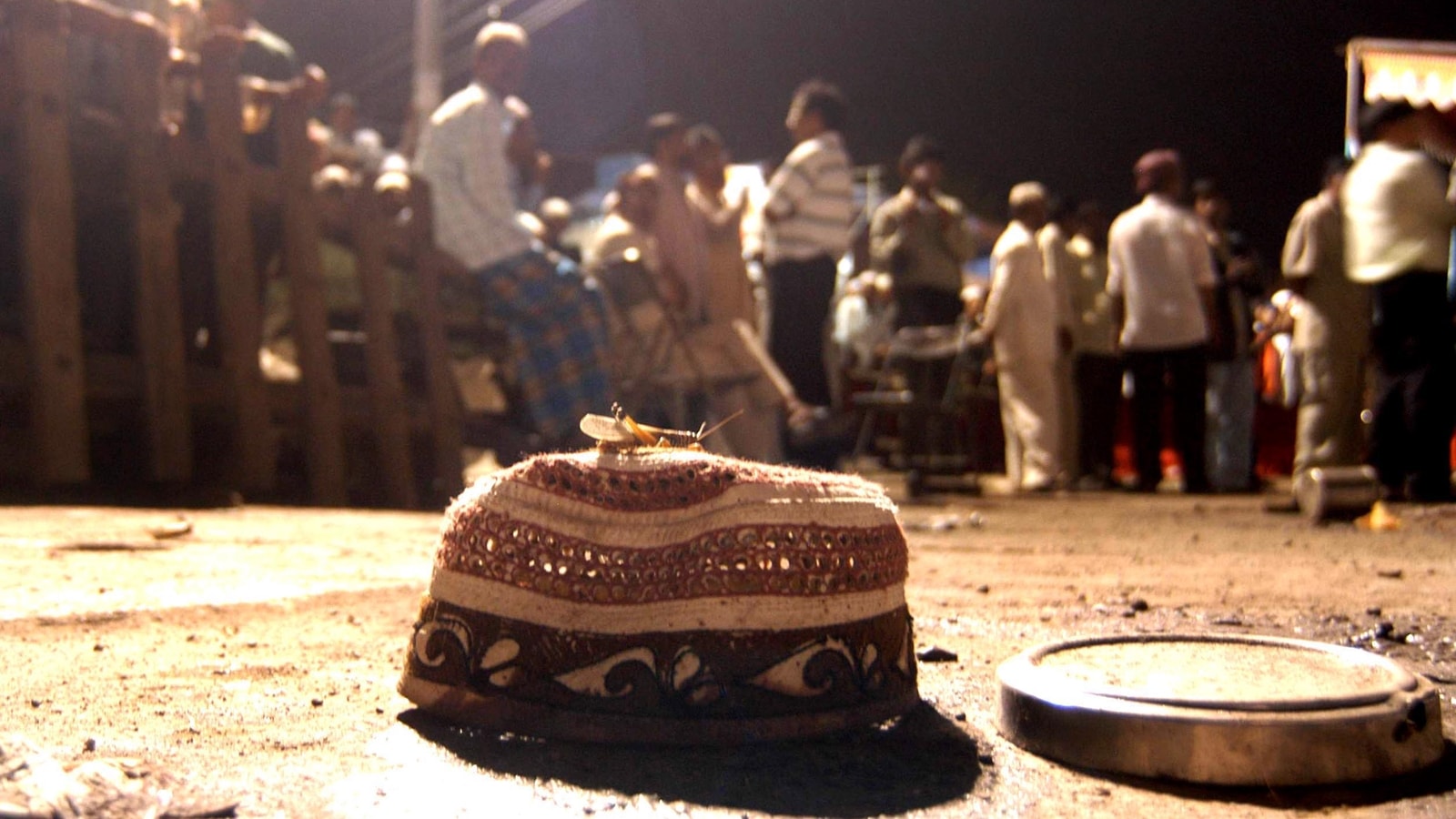
On September 8, 2006, four bombs exploded in the town of Malegaon, Maharashtra. The blasts took place on the day of Shab-e-Barat, a holy day for the Muslim community. The bombs were placed near a mosque and a local cemetery where many people had gathered to pray. The explosions caused immediate chaos and led to a high number of casualties. Because the attack happened at a religious site during a festival, it was seen as an attempt to cause communal tension and fear.
Important Numbers and Facts
The scale of the tragedy and the legal battle that followed can be seen in these figures:
- Casualties: 37 people were killed and over 100 others were injured in the explosions.
- Agencies Involved: Three major agencies handled the case over 18 years. First was the Maharashtra ATS, followed by the CBI in 2007, and finally the NIA in 2011.
- The First Group: Nine Muslim men were initially arrested by the ATS. They spent several years in jail before being released in 2016.
- The Second Group: Four Hindu men were later arrested by the NIA. They were the primary suspects for over a decade until their recent acquittal.
- The Result: Zero convictions. Every person charged in connection with the 2006 blasts has been set free by the courts due to a lack of evidence.
Background and Context
Malegaon is a town known for its textile industry, but it has also faced a history of social tension. In 2006, the investigation initially focused on local extremist groups. The Maharashtra ATS claimed that a banned group called SIMI was behind the attack. They arrested nine men and claimed to have confessions and physical evidence linking them to the bombs. The CBI later took over and supported this same theory.
However, the direction of the case changed completely in 2010 and 2011. A man named Swami Aseemanand, who was in jail for another case, reportedly confessed that a different group was responsible for several blasts across India, including Malegaon. This led the NIA to take over the case. They moved away from the original theory and arrested four different men, claiming they were part of a group that wanted to carry out retaliatory attacks. This shift created a massive legal mess, as the government had two different sets of suspects for the same crime.
Public or Industry Reaction
The reaction to the final acquittals has been a mix of anger and sadness. Legal experts have criticized the agencies for relying on weak evidence and forced confessions. Many people in Malegaon feel that the police were more interested in following political theories than finding the actual killers. The men who were wrongly arrested and later released have spoken about the years of their lives they lost in prison. On the other side, the families of those killed feel that the state has failed in its most basic duty: to protect its citizens and punish those who harm them.
What This Means Going Forward
Going forward, it is highly unlikely that the 2006 Malegaon case will ever be solved. Most of the evidence collected in the early days has been lost or damaged over time. Many witnesses have passed away, and those who are still alive often cannot remember specific details from nearly 20 years ago. This case serves as a warning for future investigations. It shows that when different agencies disagree and change the direction of a probe multiple times, the chances of getting a conviction drop significantly. It also highlights the need for better forensic work and more reliable witness protection programs in high-profile cases.
Final Take
The end of the Malegaon blasts case is a reminder of the phrase "justice delayed is justice denied." After 18 years of court hearings and investigations, the file is effectively closed without a result. While the legal system has cleared the accused, it has failed to identify the real perpetrators. For the people of Malegaon, the 2006 blasts remain an open wound that the law was unable to heal.
Frequently Asked Questions
Who was responsible for the 2006 Malegaon blasts?
Legally, no one has been found responsible. While two different groups of people were arrested at different times, the courts cleared all of them because the evidence was not strong enough to prove their guilt.
Why did the investigation take so long?
The case took nearly 20 years because it was passed between three different agencies. Each agency had different theories and suspects, which led to long legal battles and delays in the trial process.
What happened to the people who were arrested?
All the men arrested in connection with the case have been acquitted or discharged. The first group of nine men was released in 2016, and the second group of four men was acquitted in recent court rulings.



