
Summary
It has been 19 years since the tragic bomb blasts in Malegaon, yet the families of the victims are still waiting for a final court decision. On September 8, 2006, a series of explosions killed dozens of people and left many others with life-changing injuries. Despite the long passage of time, the legal process has moved very slowly, leaving parents and children without the closure they need. This delay has raised serious questions about the speed of the justice system in India and the pain of those who feel forgotten by the law.
Main Impact
The biggest impact of this long delay is the loss of faith in the legal system. For nearly two decades, the survivors and the families of those who died have attended court dates and followed news reports, only to see the case drag on. Many witnesses have changed their stories over the years, and some of the people originally accused have been let go. This has created a sense of deep sadness and frustration in Malegaon, where people feel that the lives lost that day are not being given the importance they deserve.
Key Details
What Happened
The incident took place on a Friday afternoon during the holy time of Shab-e-Barat. Malegaon is a town known for its textile work, and on that day, many people had gathered at a local mosque and a nearby cemetery to offer prayers. Bombs were hidden on bicycles parked in the area. When the explosives went off, the busy area turned into a scene of fear and pain. Most of those who died were people coming out of the mosque after their prayers. The attack was clearly meant to cause as much harm as possible to innocent people during a religious gathering.
Important Numbers and Facts
The 2006 blasts resulted in the deaths of 37 people. More than 125 others were injured, with many losing limbs or suffering from permanent hearing loss. In the years since the attack, the case has seen many changes. Initially, the local police and the Anti-Terrorism Squad (ATS) arrested several men. Later, the case was handed over to the National Investigation Agency (NIA). Over the last 19 years, hundreds of witnesses have been called to speak, but many have become "hostile," which means they no longer support the original story they told the police. This has made it very hard for the court to reach a final verdict.
Background and Context
Malegaon has faced more than one such tragedy. While the 2006 blasts were the first major attack, another bombing happened in 2008. These events changed the town forever. The investigation into the 2006 case was complicated because different agencies had different theories about who was responsible. At first, investigators blamed one group, but later, they looked into a different group of people. This shift in the investigation caused years of legal arguments and delays. For the people of Malegaon, the politics of the investigation matter less than the fact that their loved ones are gone and no one has been held responsible.
Public or Industry Reaction
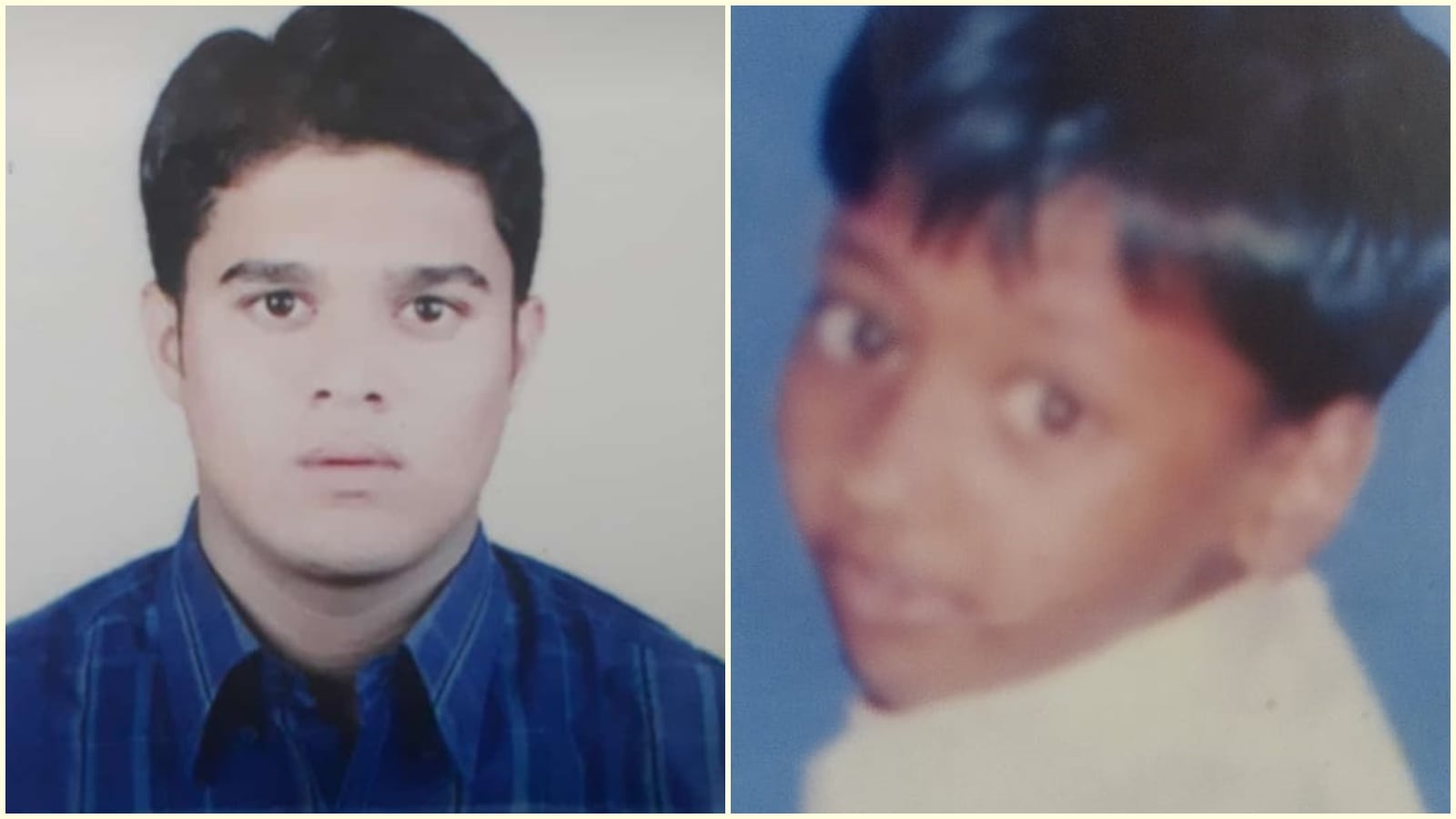
The reaction from the families is one of pure exhaustion. One father, who lost his young son in the blasts, famously asked how his son could be dead if the court finds that nobody planned the attack. This question shows the pain of a parent who sees the legal system moving in circles. Human rights groups and local leaders have also spoken out, calling the 19-year wait a failure of the system. They argue that when a trial takes this long, the evidence gets weak, and the truth becomes harder to find. The community feels that the long wait is a second type of punishment for the victims.
What This Means Going Forward
The case is still in court, but the path forward is not clear. As more time passes, it becomes even more difficult to prove what happened on that day in 2006. The risk is that the case might end without anyone being punished, which would be a huge blow to the families. Legal experts say this case shows why India needs faster trials for serious crimes like terrorism. If the court does not reach a clear conclusion soon, the memory of the victims may fade away without ever seeing justice. The next few court sessions will be very important in deciding if there is any hope left for a final answer.
Final Take
The story of the Malegaon victims is a sad reminder that time does not always heal all wounds, especially when the law moves so slowly. Nineteen years is a lifetime for a family waiting for an answer. For justice to be real, it must happen within a reasonable time. Without a final verdict, the people of Malegaon are left with only their memories and a deep sense of loss that the system has failed to fix.
Frequently Asked Questions
When did the Malegaon blasts happen?
The blasts took place on September 8, 2006, near a mosque and a cemetery during a religious festival.
How many people were affected by the 2006 attack?
The explosions killed 37 people and injured more than 125 others, many of whom were children and workers.
Why is the court case taking so long?
The case has been delayed because it moved between different investigation agencies, and many witnesses have changed their statements over the last 19 years.



