
Summary
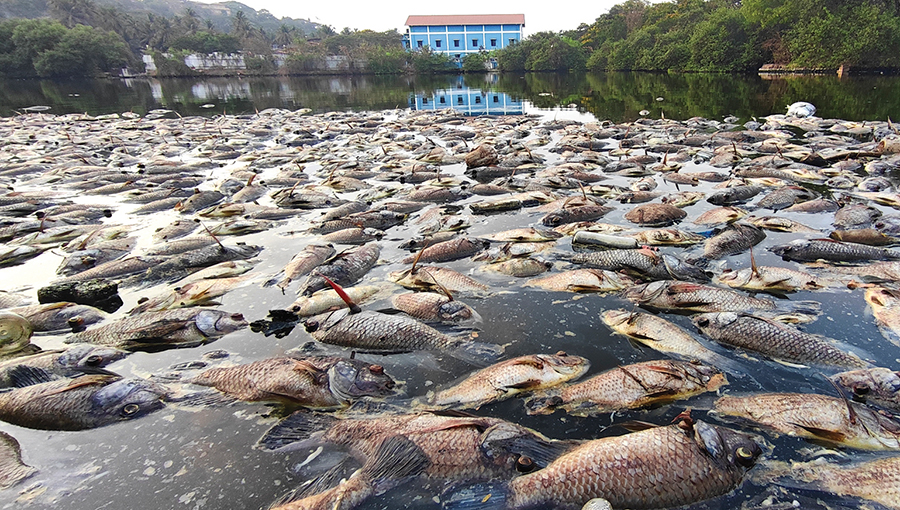
A large number of fish were recently found dead in Mala Lake, located in Panaji, Goa. This sudden event has prompted an immediate investigation by the Goa State Pollution Control Board (GSPCB). Officials visited the site on a Saturday evening to collect water and fish samples for laboratory testing. The incident has raised serious concerns about the water quality and the overall health of the lake’s ecosystem.
Main Impact
The primary impact of this event is the visible loss of aquatic life and a significant decline in the local environment's quality. Residents near the lake reported a powerful and foul smell coming from the water, which made the area unpleasant. Beyond the immediate smell and sight of dead fish, the incident highlights a gap in how local water bodies are monitored. Because the lake is not on a regular government watch list, problems like this can happen without warning, affecting both the environment and the people living nearby.
Key Details
What Happened
On Saturday evening, officials from the GSPCB arrived at Mala Lake after receiving reports of mass fish deaths. They carefully gathered samples of the lake water and the dead fish to take back to their main laboratory in Saligao. Scientists are now looking for signs of chemicals, sewage, or other pollutants that might have caused the fish to die so suddenly. While the official results are still pending, early signs suggest that the fish could not breathe because there was not enough oxygen in the water.
Important Numbers and Facts
Mala Lake is a significant body of water covering about 16,000 square meters. It has a long history of attempted improvements, including a major beautification project in 2004 that cost approximately Rs 5 crore. Despite being part of the Smart City Mission for restoration, the lake continues to struggle with pollution. Interestingly, Mala Lake is not included in the state's list of 39 water bodies classified as "Class E." This classification is important because it determines which lakes get regular water quality checks from the government.
Background and Context
To understand why this happened, it is helpful to look at the history of the lake. Originally, Mala Lake was part of the natural flood plains for the Rio de Ourem. Over time, humans built on the land and reclaimed areas for development. This process cut the lake off from its natural flow of water. When a lake is cut off, the water stops moving and becomes stagnant. Stagnant water is much more likely to collect pollution and lose its oxygen.
In simple terms, fish need oxygen to survive, just like humans do. However, fish get their oxygen from the water. When organic waste or sewage enters a lake, it encourages the growth of tiny plants called algae. When these plants grow too fast or when bacteria break down waste, they use up all the oxygen in the water. This process is often called an "algal bloom" or "organic pollution." Without enough oxygen, the fish eventually suffocate.
Public or Industry Reaction
The local community has expressed frustration over the recurring issues at Mala Lake. This is not the first time fish have died here; a similar event happened in 2011. At that time, the cause was also linked to sewage and a lack of water movement. People are questioning why the lake continues to face these problems despite the money spent on "Smart City" projects and previous cleaning efforts. Environmental advocates are calling for more consistent monitoring and better control over waste being dumped into the water.
What This Means Going Forward
The next step depends on the results from the Saligao laboratory. If the tests show high levels of sewage or chemicals, authorities will need to find the source of the leak and stop it. There is also a strong possibility that the government will reconsider how it monitors the lake. Adding Mala Lake to the official list of monitored water bodies would mean that scientists check the water quality regularly, rather than only after a disaster happens.
In the long term, the lake may need better aeration systems. These are machines that help pump air back into the water to keep oxygen levels high. Without a permanent solution to the stagnation and waste inflow, these types of fish kills are likely to happen again during seasonal changes or after heavy rains wash more waste into the basin.
Final Take
The situation at Mala Lake serves as a reminder that urban development must be balanced with environmental care. Simply spending money on the appearance of a lake is not enough to keep it healthy. True restoration requires a deep understanding of water flow and a commitment to keeping pollutants out of the water. Only through regular scientific testing and strict waste management can the city ensure that Mala Lake remains a clean and living part of the community.
Frequently Asked Questions
What caused the fish to die in Mala Lake?
While lab results are still being processed, experts believe the fish died due to a lack of dissolved oxygen in the water. This is often caused by sewage pollution or stagnant water conditions.
Is Mala Lake regularly tested for pollution?
No, the lake is currently not on the list of 39 water bodies that the Goa State Pollution Control Board monitors every year. This means it does not receive regular health checks.
Has this happened at Mala Lake before?
Yes, a similar incident occurred in 2011. Past issues were also blamed on sewage entering the lake and the water becoming stagnant because it is cut off from natural water flows.



