
Summary
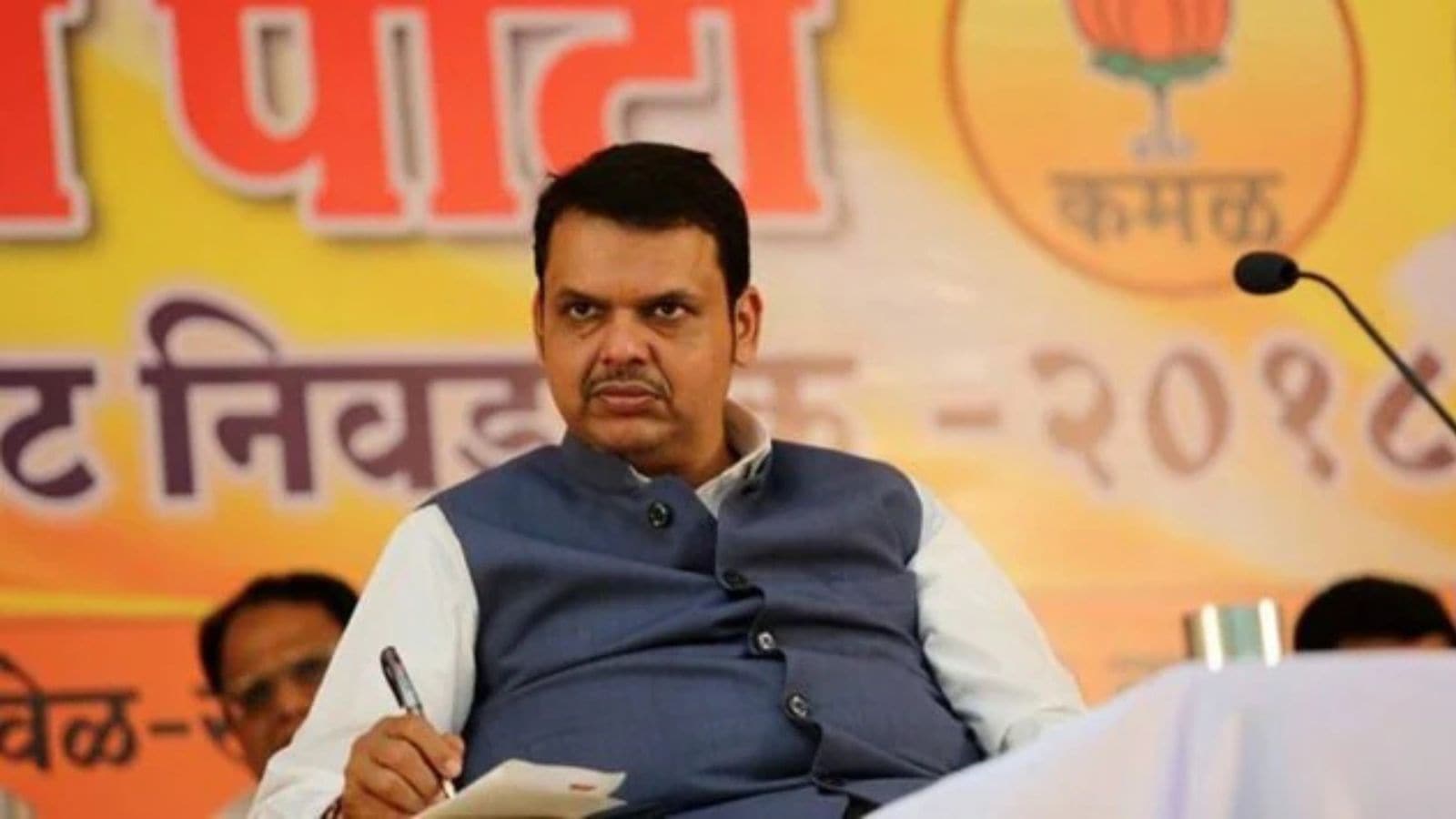
The Maharashtra government has started urgent preparations to handle a potential water crisis caused by the El Niño weather pattern. Chief Minister Devendra Fadnavis has directed state officials to create strict water management plans for every district. This move is intended to protect drinking water supplies and support the agricultural sector as temperatures rise and rainfall becomes uncertain. The state aims to avoid a severe shortage by acting before the peak of the summer heat.
Main Impact
The primary impact of this order is a shift in how the state uses its remaining water reserves. Local authorities are now required to prioritize human and animal consumption over industrial and non-essential agricultural needs. This directive will lead to tighter controls on dam releases and more frequent monitoring of water levels across the state. For residents, this could mean new rules on water usage to ensure that every community has enough to get through the dry months.
Key Details
What Happened
During a high-level meeting with the relief and rehabilitation department, the Chief Minister reviewed the current water levels in major reservoirs. He expressed concern over the predicted impact of El Niño, which often leads to below-average rainfall in India. To stay ahead of the problem, he ordered the immediate creation of a "District-Wise Water Action Plan." This plan requires local leaders to identify areas at high risk of drought and prepare emergency supply routes, such as water tankers, well in advance.
Important Numbers and Facts
Recent data shows that several reservoirs in the Marathwada and Vidarbha regions are currently holding less water than they did at this time last year. Some dams are reported to be at only 35% to 45% of their total capacity. The government has set a deadline for all district collectors to submit their conservation strategies within the next two weeks. Additionally, the state has set aside emergency funds to repair old pipes and borewells to prevent water waste.
Background and Context
El Niño is a climate event where the surface water in the Pacific Ocean becomes warmer than usual. This change in ocean temperature affects weather patterns around the world. In India, El Niño is often linked to weaker monsoon rains and higher temperatures. Maharashtra is especially sensitive to these changes because a large part of its economy depends on farming. When the rains fail or the heat becomes too intense, crops like sugarcane and cotton suffer, and rural areas face significant hardship. By planning now, the government hopes to reduce the damage that a dry year can cause.
Public or Industry Reaction
Farmers' groups have welcomed the early planning but remain worried about their upcoming crops. Many are asking for financial support or insurance if the water supply for irrigation is cut off. In urban areas, citizens are being encouraged to use water more carefully. Some environmental experts have suggested that the government should also focus on long-term solutions, such as cleaning up local lakes and improving rainwater harvesting systems, rather than just relying on emergency tankers.
What This Means Going Forward
In the coming weeks, residents can expect to see more government activity around water sources. Officials will likely conduct audits of industrial units to ensure they are not using more than their fair share of water. If the heatwave worsens, the state may implement scheduled water cuts in major cities like Mumbai and Pune to save resources for the rural heartlands. The success of these measures depends on how well local officials follow the new guidelines and how much the public cooperates with conservation efforts.
Final Take
The proactive stance taken by the Maharashtra government shows a clear understanding of the risks posed by a changing climate. While the threat of El Niño is serious, early planning and strict management of resources can prevent a manageable situation from turning into a full-scale disaster. The focus must remain on protecting the most vulnerable communities while ensuring that the state's water infrastructure is ready for the challenges of a hot and dry summer.
Frequently Asked Questions
What is El Niño and why does it affect Maharashtra?
El Niño is a warming of the Pacific Ocean that changes global weather. In Maharashtra, it often leads to less rain and hotter temperatures, which can cause water shortages and damage crops.
How will the government manage the water shortage?
The government is creating district-specific plans to prioritize drinking water. This includes monitoring dam levels, fixing leaks, and preparing water tankers for areas that run dry.
Will there be water cuts in cities?
While not yet confirmed for every city, the government has warned that strict water planning is necessary. If reservoir levels continue to drop, cities may face scheduled water cuts to save supply for the rest of the year.



