
Summary
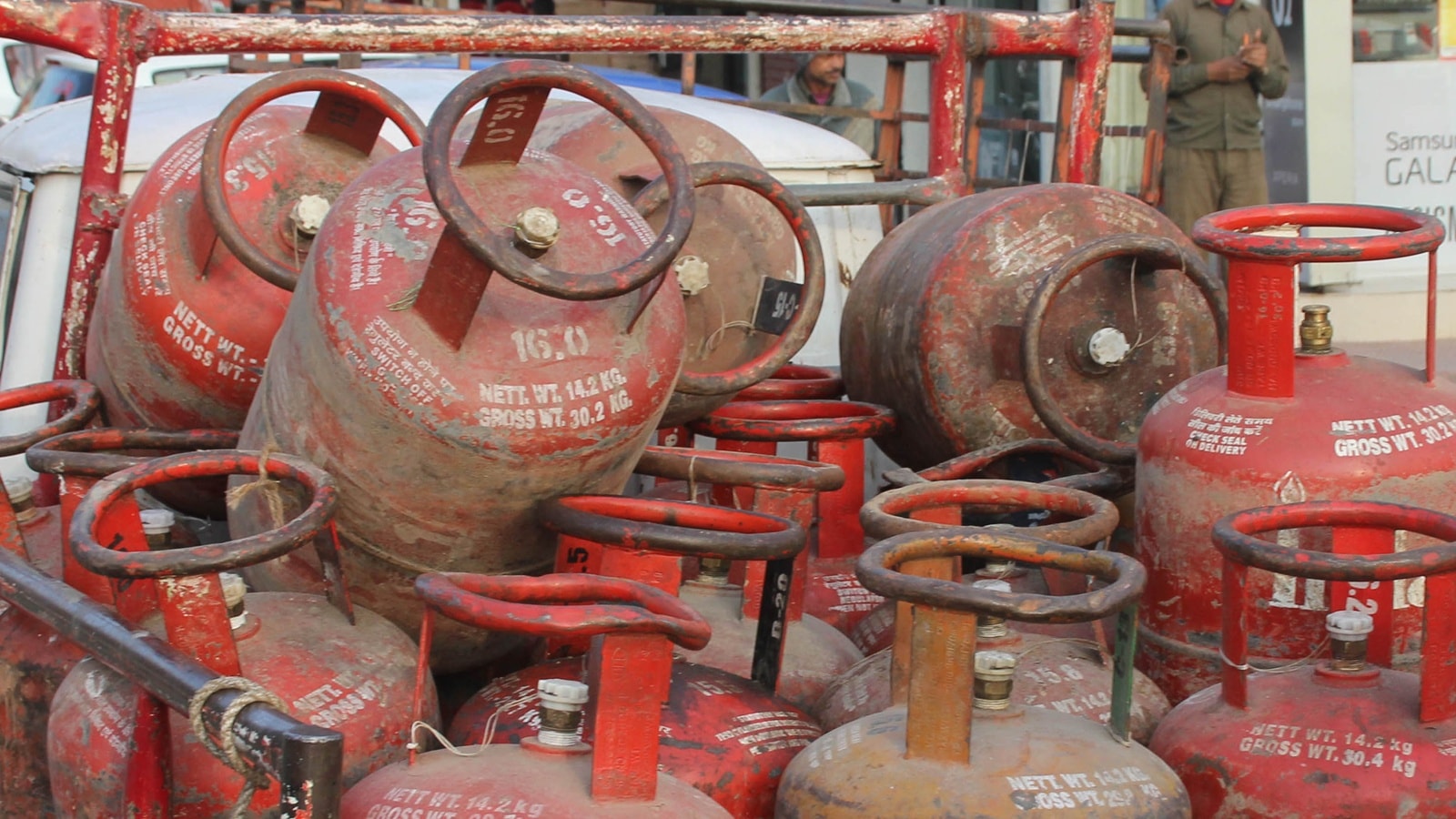
Schools across Maharashtra are currently facing a significant challenge in providing daily meals to students due to a sudden shortage of Liquefied Petroleum Gas (LPG). This shortage is directly affecting the PM POSHAN scheme, which is a national program designed to provide hot, nutritious meals to millions of children in government and aided schools. To prevent the program from stopping, the state government has officially requested that oil companies provide priority supply to educational institutions. This move aims to ensure that the cooking process remains uninterrupted and that children do not miss out on their essential daily nutrition.
Main Impact
The primary impact of this gas shortage is the disruption of the daily routine for millions of students who rely on school meals as their main source of nutrition. When LPG cylinders do not arrive on time, school kitchens are forced to find other ways to cook or, in some cases, stop serving meals altogether. This situation puts a heavy burden on school staff and local administrators who must scramble to find solutions. Furthermore, the lack of clean cooking fuel forces some schools to return to using firewood, which creates smoke and health risks for both the cooks and the students nearby.
Key Details
What Happened
In recent weeks, schools in various districts of Maharashtra reported that they were unable to get new LPG cylinders. The delivery times, which are usually predictable, have become long and uncertain. Because the PM POSHAN scheme requires schools to serve fresh, hot meals every day, any delay in fuel delivery creates an immediate crisis. The state education department noticed a pattern of these delays and realized that the standard commercial supply chain was not meeting the urgent needs of the school system. In response, the state has stepped in to ask for a dedicated supply line for schools.
Important Numbers and Facts
The PM POSHAN scheme, formerly known as the Mid-Day Meal scheme, covers students from Class 1 to Class 8. In Maharashtra alone, this involves tens of thousands of schools and over 10 million students. Most of these schools have moved away from traditional wood stoves to LPG to maintain hygiene and speed. Under the current rules, schools are expected to use clean fuel to ensure the food is prepared in a healthy environment. However, with the current supply gap, the logistics of feeding such a large number of children have become fragile. The state is now pushing for oil marketing companies to treat schools as "essential services" to avoid these delivery lags.
Background and Context
The PM POSHAN scheme is one of the largest school feeding programs in the world. Its goal is twofold: to improve the nutritional status of children and to encourage them to attend school regularly. For many families, the meal provided at school is a vital part of their child's diet. Over the last decade, the government has made a strong push to move school kitchens from coal or wood to LPG. This change was made to reduce air pollution and to make the cooking process safer and faster. When the supply of LPG fails, it does not just stop the cooking; it reverses years of progress in making school kitchens modern and smoke-free.
Public or Industry Reaction
Parents and teachers have expressed deep concern over the situation. Many teachers have noted that when meals are delayed or not provided, student concentration levels drop, and some children may even stop coming to school. Local school management committees have been vocal about the stress of managing these shortages without official support. On the other hand, oil marketing companies have pointed to general supply chain issues and high demand in other sectors as reasons for the delay. However, the state’s intervention has put pressure on these companies to recognize that school kitchens cannot wait in the same line as regular commercial customers.
What This Means Going Forward
If the state government is successful in securing priority supply, schools will have a "green channel" for gas deliveries. This would mean that even during times of general shortage, school orders would be filled first. Moving forward, the government may also look into creating a better buffer stock of cylinders at the district level. There is also a discussion about digitizing the tracking of gas usage in schools so that suppliers can predict when a school will run out of fuel before it actually happens. Ensuring a steady supply of fuel is now seen as just as important as providing the food grains themselves.
Final Take
The current LPG crisis in Maharashtra highlights how a breakdown in the supply chain can threaten vital social programs. Feeding millions of children is a massive task that requires every part of the system—from the fuel suppliers to the kitchen staff—to work perfectly. By asking for priority status, the state is taking a necessary step to protect the health and education of its youngest citizens. It is a reminder that basic infrastructure, like cooking gas, is the backbone of successful public welfare programs.
Frequently Asked Questions
What is the PM POSHAN scheme?
It is a government program that provides free cooked meals to children in government and government-aided schools to improve nutrition and school attendance.
Why is there a shortage of LPG in Maharashtra schools?
The shortage is due to supply chain delays and high demand, which has led to schools waiting longer than usual for their cooking gas cylinders to be delivered.
How are schools cooking meals without gas?
Some schools are forced to use traditional firewood or coal, while others are facing the risk of stopping the meal service until new gas cylinders arrive.



