
Summary
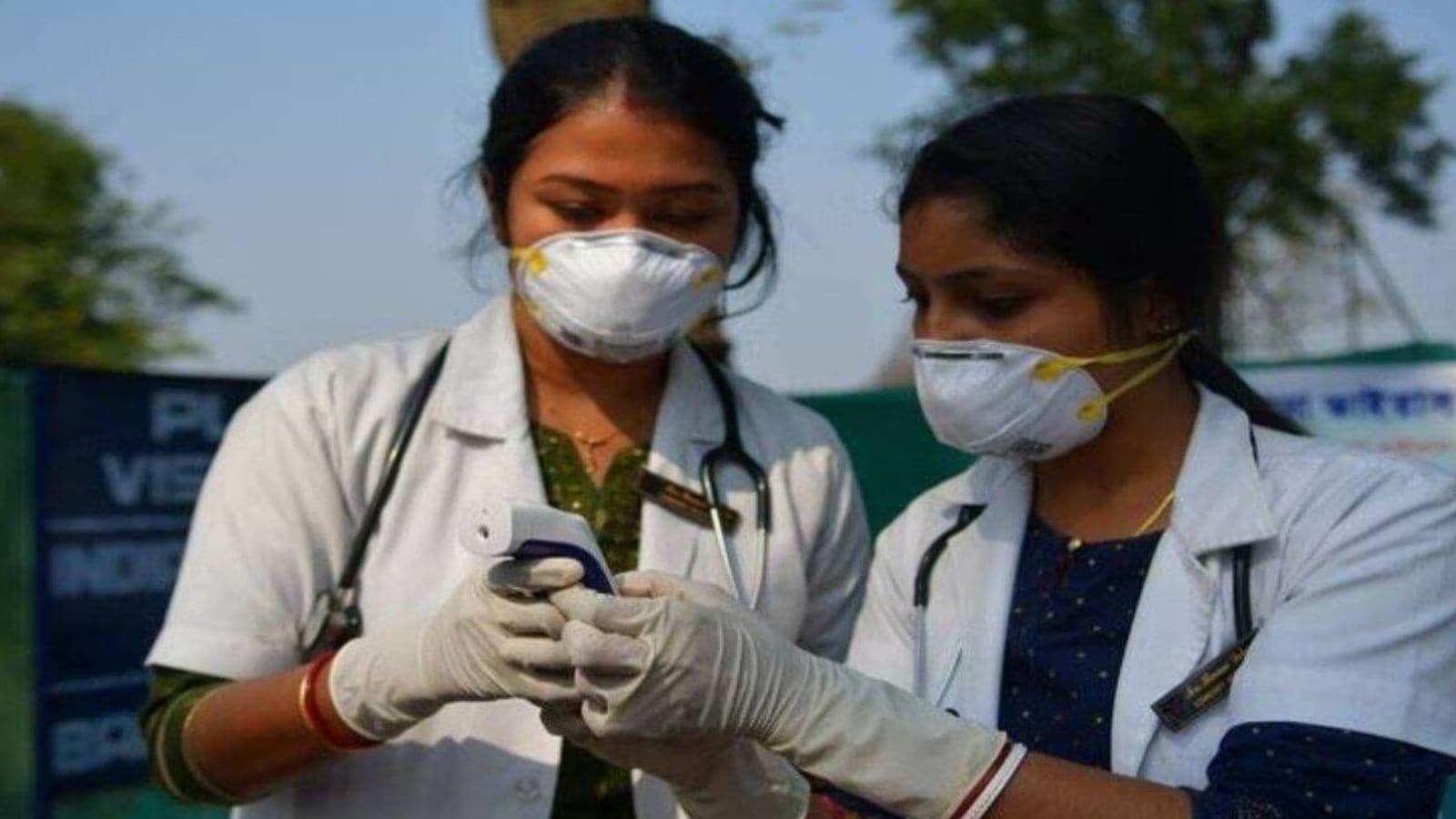
The Maharashtra government has started a major new program to improve healthcare services in rural areas. This initiative aims to fix the gaps that prevent people in small villages from getting quality medical care. By building better clinics and hiring more staff, the state wants to ensure that every citizen can see a doctor without traveling long distances. This move is expected to help millions of families who currently struggle to find basic health services near their homes.
Main Impact
This new health push will change the lives of people living in the most remote parts of the state. For many years, rural residents had to spend a lot of money and time traveling to big cities for simple checkups or emergency care. With these new improvements, medical help will be available much closer to home. This will lead to faster treatment for illnesses and better health outcomes for children and the elderly. It also reduces the financial burden on poor families who often lose their savings to pay for private transport and city hospitals.
Key Details
What Happened
The state government has approved a large plan to upgrade the existing rural health system. This includes fixing old buildings, buying new medical tools, and making sure there is a steady supply of medicine. A big part of the plan involves setting up mobile medical units. These are specially equipped vans that travel to small settlements where there are no permanent clinics. The government is also focusing on digital health, using video calls to connect village patients with expert doctors in the city.
Important Numbers and Facts
The government has set aside a significant budget to fund these changes over the next two years. More than 500 new mobile medical units will be sent to the most difficult-to-reach districts. Additionally, the state plans to upgrade over 2,000 Primary Health Centres with modern equipment like X-ray machines and basic blood testing labs. To make sure these centers work well, the state is looking to hire thousands of new healthcare workers, including doctors, nurses, and lab technicians. They are also offering better pay to encourage medical professionals to live and work in rural regions.
Background and Context
Maharashtra is one of the largest states in India, and while its cities have world-class hospitals, its villages have often been left behind. In many rural areas, the local clinics are understaffed or do not have the right tools to treat serious conditions. This gap has led to higher rates of preventable diseases and health issues during pregnancy. The state government realized that to improve the overall health of the population, they must focus on the people living outside the big urban centers. This new program is a response to years of requests from local leaders and health experts who wanted better services for the rural poor.
Public or Industry Reaction
Health experts have welcomed the move, calling it a necessary step for the state. Many doctors believe that the focus on mobile units is a smart way to reach people who live in hilly or forested areas. However, some experts have pointed out that hiring staff is only the first step. They say the government must also make sure that these workers have good housing and schools for their children so they stay in the villages for a long time. Local villagers have expressed hope that the new clinics will mean they no longer have to wait for hours or travel through the night to get help for a sick family member.
What This Means Going Forward
In the coming months, residents will start to see more construction and new medical vans in their districts. The government will also begin a large hiring drive to fill the thousands of open positions in the health department. If this plan works, it could serve as a model for other states in India that face similar challenges. The success of the program will depend on how well the government monitors the clinics to ensure they are always stocked with medicine and that staff are present during working hours. Technology will play a big role, as digital records will help doctors track the health of patients over time.
Final Take
Providing quality healthcare to every village is a difficult task, but this new plan shows a strong commitment from the state. By focusing on both infrastructure and the people who provide care, Maharashtra is taking a practical approach to solving a long-standing problem. The real test will be in the daily operations of these clinics and whether they can truly provide the support that rural families need. If the state can maintain this focus, it will create a much healthier and more equal future for all its citizens.
Frequently Asked Questions
What is the main goal of the new rural health plan?
The main goal is to provide better medical services to people living in villages and remote areas, making sure they do not have to travel to cities for basic healthcare.
How will the government reach people in very remote areas?
The government is launching hundreds of mobile medical units, which are vans equipped with medical tools and staff that can travel directly to small and distant villages.
What kind of technology will be used in this program?
The program will use telemedicine, which allows rural patients to talk to specialist doctors in cities through video calls, and digital systems to keep track of patient health records.



