
Summary
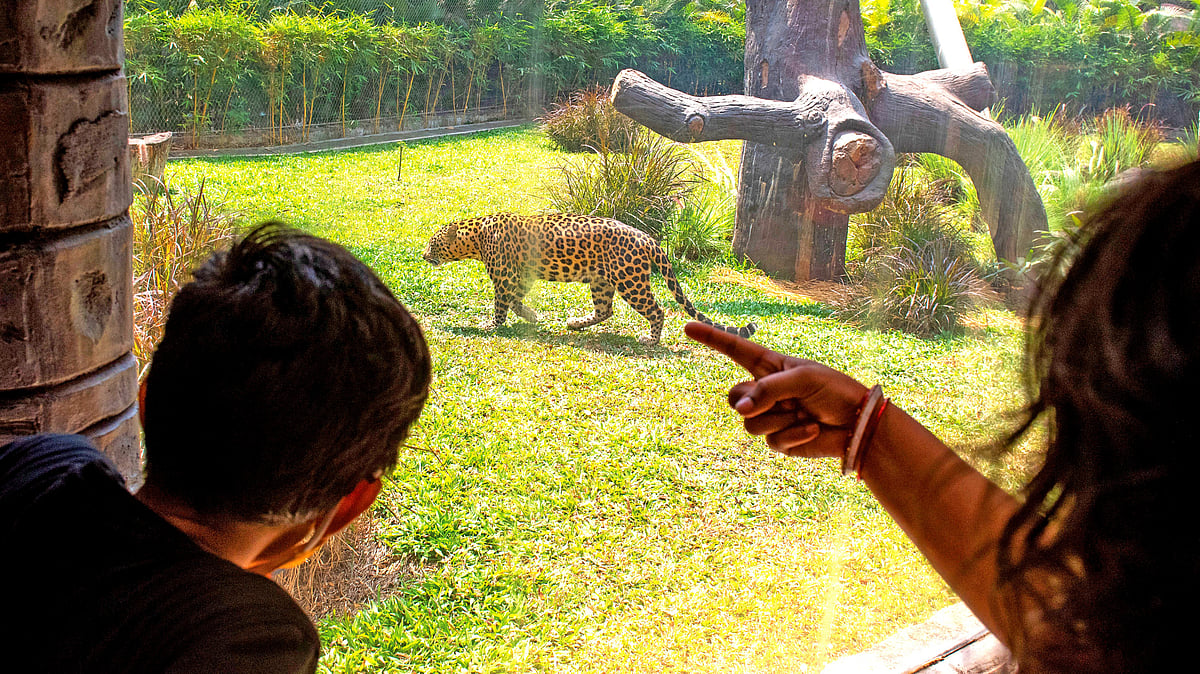
The Maharashtra government has decided to move 50 leopards from state-run rescue centers to a private facility called Vantara. This center is owned by the Reliance group and is located in Gujarat. While officials say this will help reduce fights between humans and animals, many wildlife experts are worried. They believe that wild animals should be kept in government care and eventually returned to nature rather than being held in private collections.
Main Impact
This move marks a major change in how India manages its wildlife. For a long time, the government was solely responsible for protecting endangered species like tigers and leopards. Now, more power and resources are being handed over to private companies. Critics argue that this shift ignores the real problem, which is the loss of forest land. By moving animals to private zoos, the government may be avoiding its duty to protect natural habitats.
Key Details
What Happened
Maharashtra Chief Minister Devendra Fadnavis approved the transfer of 50 leopards to the Greens Zoological Rescue and Rehabilitation Centre, also known as Vantara. Government officials claim the facility is better equipped to handle leopards that have attacked people in villages. However, retired forest officers point out that rescue centers should be located near the animal's original home so they can be released back into the wild after treatment.
Important Numbers and Facts
Vantara has grown quickly to become the largest private zoo in the world. Between 2019 and 2023, it brought in over 3,800 wild animals. Reports show that many of these animals came from South Africa, including 50 hybrid lions, 40 hybrid tigers, and 40 cheetahs. At the same time, wild tiger deaths are rising. In 2025, Madhya Pradesh lost 55 tigers and Maharashtra lost 41. In just the first few weeks of 2026, nearly 20 more tigers have died across both states.
Background and Context
The main reason animals like leopards and tigers enter human villages is that their forest homes are being destroyed. When trees are cut down for mines or roads, animals have nowhere to go. They often end up in sugarcane fields or near towns looking for food. Instead of protecting these forests, the government has proposed new projects that could make the situation worse. For example, a new mining project in the Tadoba-Andhari area could result in 18,000 trees being cut down, which would displace at least 60 big cats.
Public or Industry Reaction
Many experts and activists are unhappy with these changes. Retired forest officer Dr. Uma Shankar Singh has called the current trend illegal and harmful. He and others believe that India already has enough government-run centers and experts to care for its wildlife. There is also a fear that private groups might lose interest in the animals over time. In other parts of the world, animals in private hands have suffered when the owners no longer wanted to pay for their care. Some activists have even gone on hunger strikes to protest the destruction of forests for industrial use.
What This Means Going Forward
The growth of Vantara suggests that more private wildlife reserves could appear in India. There are concerns that the government is weakening wildlife laws to make it easier for private companies to trade or move animals. Some experts worry that India might follow the path of other countries where tigers are farmed for profit. If the focus stays on moving animals to private facilities rather than saving forests, the number of human-animal conflicts will likely continue to grow. The next big step involves plans to build commercial retreats in the Sanjay Gandhi National Park, which would further reduce green spaces near Mumbai.
Final Take
True wildlife conservation is about keeping animals in their natural homes, not placing them in high-tech private enclosures. While private facilities may have a lot of money, they cannot replace the complex balance of a healthy forest. The government must decide if it wants to protect India's natural heritage for everyone or turn wildlife management into a private business venture.
Frequently Asked Questions
What is Vantara?
Vantara is a large private wildlife rescue and rehabilitation center in Gujarat, India. It is owned by the Reliance group and houses thousands of local and exotic animals.
Why are leopards being moved there?
The government claims that moving leopards to Vantara will help manage the growing number of attacks on humans in rural areas, as the facility has modern medical tools and space.
Why are conservationists worried?
Experts are concerned that moving animals to private facilities takes them away from their natural habitats and reduces the government's responsibility to protect forests and wild populations.

