
Summary
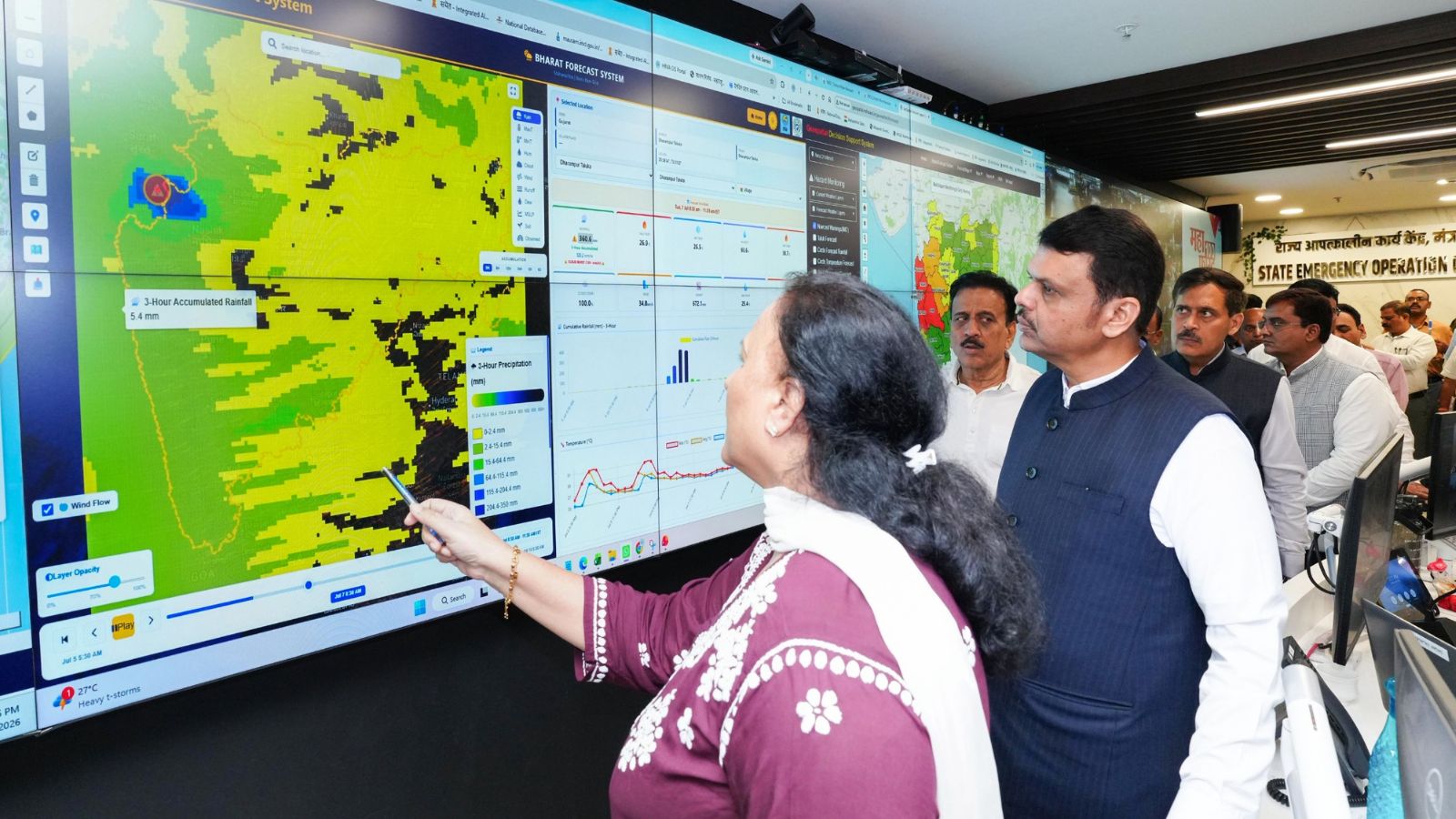
Maharashtra Chief Minister Devendra Fadnavis has announced that heavy rainfall will continue across the state until July 8. The warning comes as the city of Nashik prepares for an extreme downpour of up to 300 millimeters in a single day. Authorities have issued alerts for multiple districts, urging residents to stay indoors and avoid non-essential travel. The India Meteorological Department (IMD) has also placed several regions on high alert due to the risk of flooding and landslides.
Main Impact
The ongoing heavy rain has already disrupted daily life in many parts of Maharashtra. Low-lying areas in Nashik and nearby districts are facing waterlogging, and roads have become slippery and dangerous. The state government has deployed rescue teams and opened relief centers in vulnerable zones. The main concern is the potential for flash floods and damage to homes and crops, especially in rural areas where drainage systems are weak.
Key Details
What Happened
Chief Minister Fadnavis made the announcement after reviewing the latest weather data from the IMD. He said the rain is caused by a strong monsoon system that has stalled over the western coast of India. The system is expected to stay active for at least the next two days, bringing heavy to very heavy rainfall to several districts including Nashik, Pune, and parts of the Konkan region.
Important Numbers and Facts
Nashik is bracing for a possible 300 mm of rain in a single day, which is more than what the city usually receives in an entire week during the monsoon season. The IMD has issued a red alert for Nashik and an orange alert for neighboring districts like Ahmednagar and Dhule. Schools and colleges in affected areas have been closed as a precaution. The state has also asked the National Disaster Response Force (NDRF) to stay on standby.
Background and Context
Maharashtra experiences heavy monsoon rains every year between June and September. However, this year's rainfall has been more intense than usual in some regions. Climate experts say that changing weather patterns are making such extreme events more common. The state has faced severe flooding in the past, most notably in 2021 when parts of the Konkan region saw record-breaking rainfall. This history has made authorities more cautious and quicker to issue warnings.
Public or Industry Reaction
Residents in Nashik have been stocking up on essentials like food, water, and medicines. Many have moved their vehicles to higher ground to avoid damage. Local businesses, especially small shops and roadside vendors, have reported a drop in customers due to the rain. Farmers in the region are worried about their crops, particularly grapes and onions, which are sensitive to too much water. The state agriculture department has advised farmers to take protective measures.
What This Means Going Forward
If the rain continues as predicted, there is a high risk of landslides in hilly areas and flooding in low-lying parts of Nashik and other districts. The state government has said it will keep monitoring the situation and may issue more alerts if needed. People are advised to avoid rivers, streams, and other water bodies. Travel by road and rail may also face delays. The next 48 hours are critical, and residents should stay updated through official channels.
Final Take
The heavy rain warning from the Chief Minister shows that the state is taking the situation seriously. While the monsoon is essential for agriculture and water supply, too much rain in a short time can be dangerous. The focus now is on keeping people safe and minimizing damage. Everyone in the affected areas should follow safety instructions and be prepared for possible disruptions until July 8.
Frequently Asked Questions
Why is Nashik expecting 300 mm of rain in one day?
Nashik is under the influence of a strong monsoon system that has stalled over the western coast. This system is pulling in a lot of moisture from the Arabian Sea, leading to very heavy rainfall in a short period.
What should people do during a red alert for heavy rain?
People should stay indoors, avoid travel unless absolutely necessary, and keep emergency supplies like food, water, and flashlights ready. They should also stay away from rivers, low-lying areas, and places prone to landslides.
How long will the heavy rain last in Maharashtra?
According to Chief Minister Fadnavis and the IMD, the heavy rain is expected to continue until July 8. After that, the intensity may reduce, but some rain is likely to continue as the monsoon season is still active.



