
Summary
The Maharashtra government has introduced a new law called the Maharashtra Freedom of Religion Bill, 2026. This bill aims to stop people from being forced or tricked into changing their religion. While the government says this is necessary to protect citizens, opposition leaders and activists are questioning the move. They argue that there is no official data to prove that forced conversions are a major problem in the state.
Main Impact
The introduction of this bill marks a major shift in how religious matters are handled in Maharashtra. If it passes, the state will have strict rules against conversions done through force, fear, or promises of money. Because the ruling party has a majority in the legislature, the bill is expected to become law very soon. This has created a divide between those who believe the law is needed for safety and those who fear it will be used to target specific groups.
Key Details
What Happened
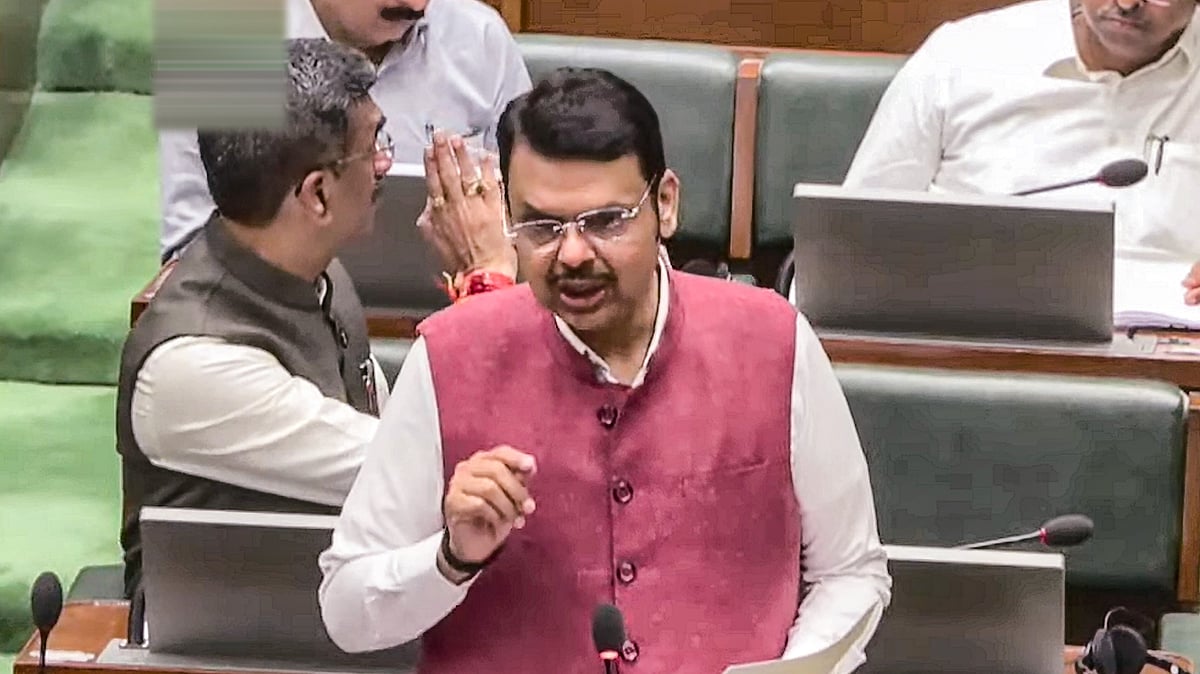
On Friday, the bill was presented in the state Assembly. It focuses on stopping what the government calls "forced conversions." The government believes that some people are being pressured to change their faith against their will. The bill was moved forward despite strong protests from the opposition, who believe the timing of the law is based on politics rather than actual crime data.
Important Numbers and Facts
Government officials, including Chief Minister Devendra Fadnavis, mentioned that they have received over 100,000 complaints regarding forced conversions and "love jihad." However, critics pointed out a major gap: there are no official police reports, known as FIRs, that match these high numbers. This has led to a heated debate about whether the problem is as big as the government claims or if the numbers are being exaggerated.
Background and Context
Religious freedom is a sensitive topic in India. The constitution allows everyone to choose their own faith and practice it freely. However, several states have recently passed laws to stop what they call "illegal conversions." The Maharashtra government says its goal is to ensure that when someone changes their religion, they do it because they truly want to, not because they were scared or bribed with gifts or money. Critics, on the other hand, say these laws are often used to interfere in personal lives and stop people from marrying outside their religion.
Public or Industry Reaction
Many people have spoken out against the bill. Human rights lawyer Lara Jesani asked the government to show a study or report that proves forced conversions are happening on a large scale. Without this data, she argues the law has no clear basis. Rais Shaikh, a leader from the Samajwadi Party, said the law might hurt the rights of minority communities. He has asked for a special committee to look at the bill more closely before it is passed. There are also worries about how the police will use their new powers. Some leaders pointed out that while the government wants new laws, it has not taken strong action against politicians who make angry or hateful speeches in public.
What This Means Going Forward
Once the bill is passed by the Assembly and the Legislative Council, it will go to the President for a final signature. After that, it becomes an official law in Maharashtra. The government will then have the power to arrest and charge people who they believe are forcing others to convert. This could lead to more court cases and legal battles over what counts as "force" or "inducement." It will also likely remain a major topic of discussion in the next elections, as both sides use the issue to gain support from voters.
Final Take
The new bill highlights a deep disagreement over how to balance personal freedom with state protection. While the government insists the law is about safety and preventing crime, the lack of official police data remains a central point of tension. The success of this law will depend on how fairly it is applied by the police and whether it actually protects people or creates more social division.
Frequently Asked Questions
What is the Maharashtra Freedom of Religion Bill?
It is a proposed law that aims to stop people from being forced, threatened, or bribed into changing their religion. It sets strict rules for how religious conversions can happen.
Why is the opposition against the bill?
They argue there is no official data showing that forced conversions are a big problem in the state. They also worry the law could be used to target minority groups or interfere with personal freedoms.
When will the bill become a law?
The bill has been introduced in the Assembly and is expected to pass because the government has a majority. It will become an official law after it is approved by the legislature and signed by the President.

