
Summary
The Food and Drug Administration (FDA) in Maharashtra has issued a strict new rule for all restaurants and food outlets. Starting May 1, 2026, businesses must clearly state on their menus if they are using real dairy products or "analogue" substitutes. This move aims to stop "paneer fraud," where cheaper vegetable-fat versions are sold as genuine milk-based paneer or cheese. The goal is to ensure that customers know exactly what they are paying for and what they are eating.
Main Impact
This new regulation will change how thousands of restaurants across Maharashtra operate. For a long time, many food stalls and even large chains have used substitutes made from vegetable oil to save money. These substitutes look and taste like real cheese or paneer but do not have the same nutritional value. By making it mandatory to list these ingredients, the FDA is forcing transparency. Customers will now have the power to choose between a cheaper meal with vegetable fats or a more expensive one made with real dairy.
Key Details
What Happened
The Maharashtra FDA noticed a rising trend of "food imitation" in the state. Officials found that many restaurants were serving dishes like pizzas, burgers, and paneer tikka using "analogue" products without telling the customers. An analogue product is a food item made to look like dairy but created using vegetable oils, starches, and chemicals. The FDA Commissioner has now ordered that all menus must clearly distinguish between real dairy and these substitutes. If a restaurant uses a mix or a complete substitute, the menu must say "Analogue Paneer" or "Vegetable Fat Cheese Substitute."
Important Numbers and Facts
The deadline for this change is May 1, 2026. After this date, FDA inspectors will conduct surprise checks at restaurants, cafes, and street food stalls. Real paneer must be made entirely from milk fat. Analogue paneer, however, often contains zero milk fat and is instead made from palm oil or other vegetable fats. The price difference is huge; real paneer can cost three times as much as the fake version. Restaurants found violating these rules could face heavy fines or even lose their food licenses.
Background and Context
In India, paneer and cheese are staples in many diets. People often eat them as a primary source of protein. However, as the cost of milk has gone up, some businesses have looked for ways to cut costs. They turned to "analogue" products, which are industrial food items designed to mimic the texture and melting properties of dairy. While these substitutes are not necessarily illegal to sell, it is illegal to sell them under the name of "paneer" or "cheese" because those terms are legally reserved for dairy products. This confusion has led to what many call "paneer fraud," where the customer is misled into thinking they are eating healthy dairy when they are actually eating processed vegetable fats.
Public or Industry Reaction
The reaction to this news has been mixed. Consumer rights groups have praised the decision, saying that people have a right to know what is in their food. Health experts are also supportive, as vegetable fats like palm oil can have different health effects compared to milk fats. On the other hand, some small restaurant owners are worried about the cost of printing new menus. They also fear that customers might stop buying certain dishes if they see the word "analogue" or "substitute" next to them. Dairy farmers in Maharashtra have welcomed the move, believing it will increase the demand for real milk and protect the dairy industry from unfair competition.
What This Means Going Forward
From May onwards, diners in Maharashtra should look closely at menus. You might see new descriptions for your favorite dishes. This rule also applies to online food delivery apps. The FDA has stated that digital menus must also be updated to show the correct information. In the coming months, the FDA plans to increase testing of food samples. They will use mobile labs to check the fat content of paneer and cheese served in public places. This is part of a larger effort to clean up the food industry and ensure that "what you see is what you get."
Final Take
Honesty in food labeling is a basic right for every consumer. By forcing restaurants to be open about their ingredients, the Maharashtra FDA is taking a big step toward better food safety and honesty. While it may take some time for every small shop to follow the rules, the message is clear: businesses can no longer hide cheap substitutes behind the names of premium dairy products. This change will likely lead to a higher standard of food quality across the state.
Frequently Asked Questions
What is analogue paneer?
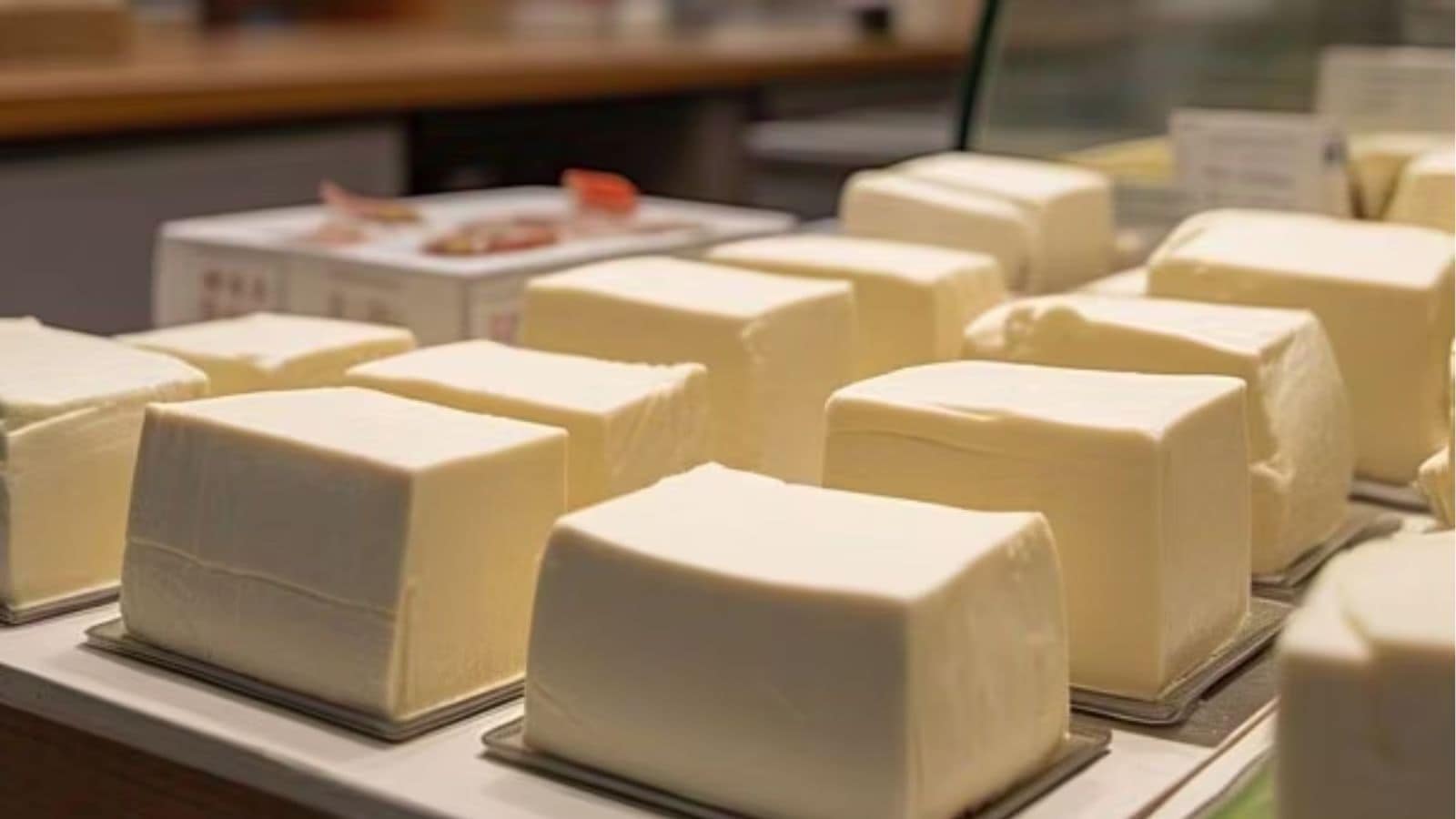
Analogue paneer is a food product made to look and taste like real paneer but is made using vegetable fats and oils instead of milk fat. It is much cheaper to produce than real dairy paneer.
How will I know if a restaurant is using fake cheese?
Starting May 1, 2026, restaurants in Maharashtra are required by law to list "analogue" or "substitute" on their menus if they are not using real dairy cheese.
What happens if a restaurant lies on its menu?
If the FDA finds that a restaurant is selling vegetable-fat substitutes as real dairy, the owner can face strict penalties, including large fines and the cancellation of their business license.



