
Summary
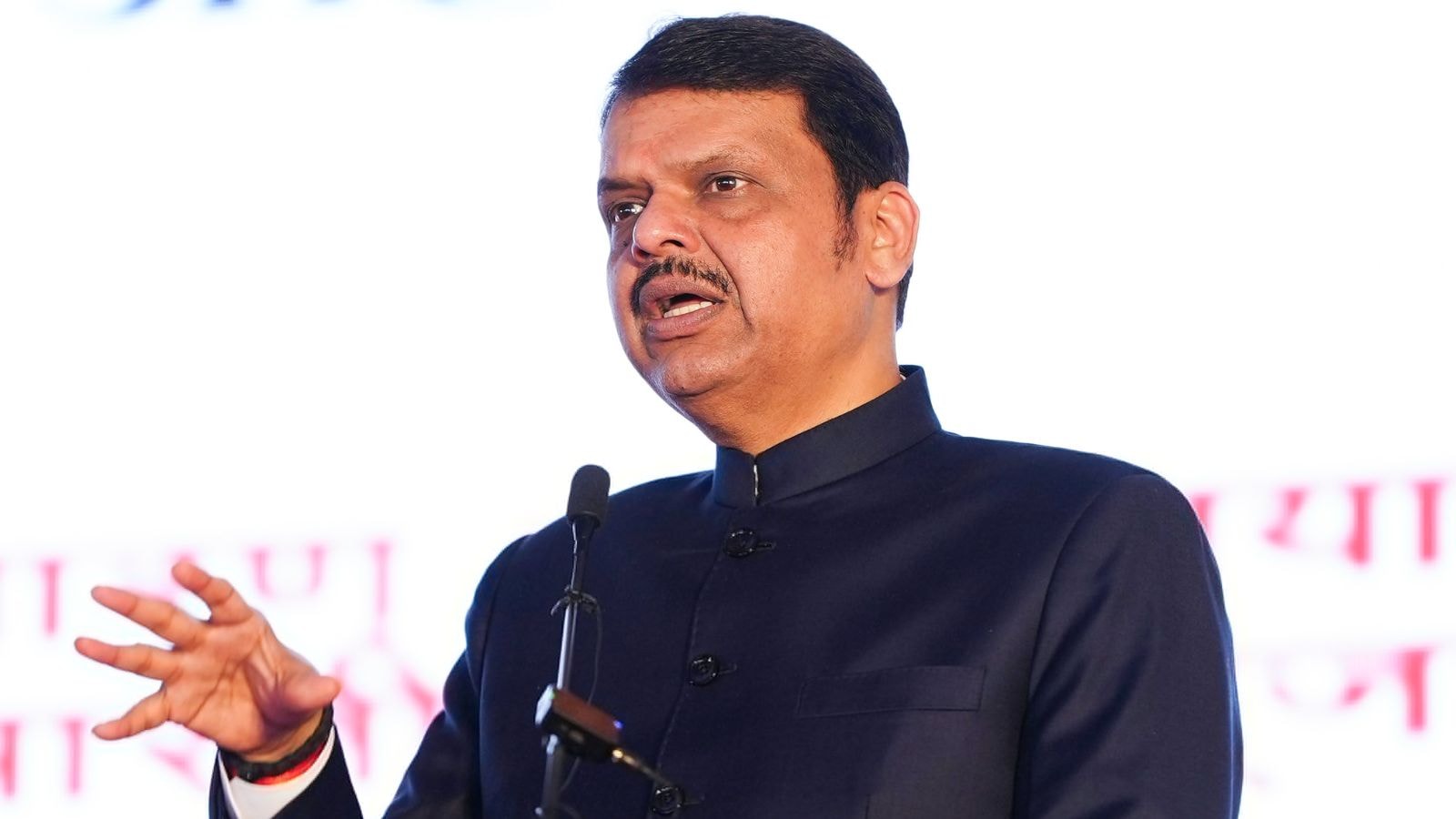
The Chief Minister of Maharashtra has issued an urgent call to action for all state departments to prepare for the El Niño weather pattern. This natural event often leads to higher temperatures and lower rainfall across the region. By starting these preparations early, the government aims to protect the state’s water supply, farming industry, and public health. The directive emphasizes the need for careful planning to prevent a crisis before the summer heat and monsoon season arrive.
Main Impact
The primary impact of this order is a shift toward proactive disaster management. Instead of waiting for a drought to happen, the state is now focusing on saving resources immediately. This will affect how water is distributed from dams and how much support is given to farmers in dry areas. If the El Niño effect is strong, it could lead to a shortage of drinking water and a decrease in crop production, making these early steps vital for the state's economy.
Government officials are now required to monitor water levels in reservoirs more closely than in previous years. This move also puts pressure on local administrations to ensure that rural areas have enough fodder for cattle and that tankers are ready to deliver water to villages that run dry. The goal is to minimize the hardship faced by citizens, especially those living in the most vulnerable parts of the state.
Key Details
What Happened
During a high-level meeting with various department heads, the Chief Minister reviewed the current weather forecasts. He told officials that they cannot afford to be caught off guard by changing weather patterns. The instruction was clear: every department must have a backup plan. This includes the departments of agriculture, water resources, and public health. They have been told to work together to share data and resources so that no region is left without help.
Important Numbers and Facts
The state government is looking at several key areas to track the situation. First, they are monitoring the water levels in the state's major and medium dams, which are the main source of water for both cities and farms. Officials are also keeping a close eye on the "Heat Action Plan" for major cities. In past years, temperatures in parts of Maharashtra have crossed 45 degrees Celsius, and El Niño could push these numbers even higher. The government has also set aside funds to help farmers who might lose their crops due to a lack of rain, ensuring that insurance claims are processed faster than usual.
Background and Context
El Niño is a weather event that happens when the water in the Pacific Ocean becomes warmer than usual. This change in ocean temperature affects wind patterns around the world. For India, and specifically for Maharashtra, El Niño usually means the monsoon rains will be weaker. Since a large part of Maharashtra’s farming depends entirely on rain, a weak monsoon can be a disaster for millions of people.
Regions like Marathwada and Vidarbha are often the hardest hit by these weather changes. In the past, these areas have faced severe water shortages that forced people to travel long distances just to find drinking water. By ordering departments to act now, the Chief Minister is trying to avoid the mistakes of the past where the government only acted after the water had already run out.
Public or Industry Reaction
Farmers' groups have welcomed the early warning but remain worried about their livelihoods. Many are asking for more clarity on how crop insurance will work if the rains fail. They want the government to ensure that seeds and fertilizers are available at fair prices, even if the weather turns bad. On the other hand, environmental experts have praised the move to monitor dam levels early, noting that water management is the most important tool the state has to fight a drought.
In the cities, residents are concerned about potential water cuts. Business leaders in the industrial sectors are also watching the situation closely, as many factories require large amounts of water to operate. The general feeling is one of caution, with many hoping that the El Niño effect will be mild this year.
What This Means Going Forward
In the coming months, the state will likely see a stricter control on how water is used. We can expect the government to prioritize drinking water over water for industries or luxury uses like swimming pools. There will also be a push for "water literacy," where citizens are taught how to save every drop of water at home. The agriculture department will likely encourage farmers to grow crops that do not need a lot of water, such as pulses or millets, instead of thirsty crops like sugarcane.
The government will also need to keep a close watch on the health of the public. Heatwaves can lead to serious illnesses, so hospitals are being told to prepare special wards for heatstroke patients. If the rains are very low, the state might have to spend more money on relief packages, which could affect the budget for other projects.
Final Take
Preparation is the only way to handle the unpredictable nature of our climate. By giving these orders now, the Maharashtra government is taking a necessary step to protect its people from the potential dangers of El Niño. Success will depend on how well the different departments talk to each other and how quickly they can get help to the people who need it most. While we cannot control the weather, we can certainly control how ready we are to face it.
Frequently Asked Questions
What is El Niño and why does it matter to Maharashtra?
El Niño is a warming of ocean waters that changes global weather. In Maharashtra, it often leads to less rainfall during the monsoon and much hotter summer temperatures, which can cause droughts.
How is the government planning to save water?
The government is monitoring dam levels daily and may limit water use for non-essential activities. They are also preparing tankers to supply water to dry villages and ensuring that water is saved primarily for drinking.
What should farmers do to prepare?
Farmers are encouraged to look into crop insurance and consider planting crops that require less water. They should also stay updated with government weather advisories to plan their sowing schedules carefully.



