
Summary
The Maharashtra government has approved a new biogas policy with a budget of Rs 500 crore. This plan aims to turn organic waste into clean fuel to meet the growing energy needs of the state. By supporting the production of compressed biogas, the government hopes to reduce pollution and help farmers earn more money. This move is a major step toward a greener economy and better waste management in both cities and rural areas.
Main Impact
The primary impact of this policy is the creation of a new energy market that uses waste as a resource. By providing financial support, the state is encouraging private companies to build biogas plants. This will lead to a significant reduction in the amount of trash sent to landfills. It also offers a way to lower carbon emissions by replacing traditional fossil fuels with a renewable alternative. For the general public, this could mean cleaner air and more stable energy prices in the long run.
Key Details
What Happened
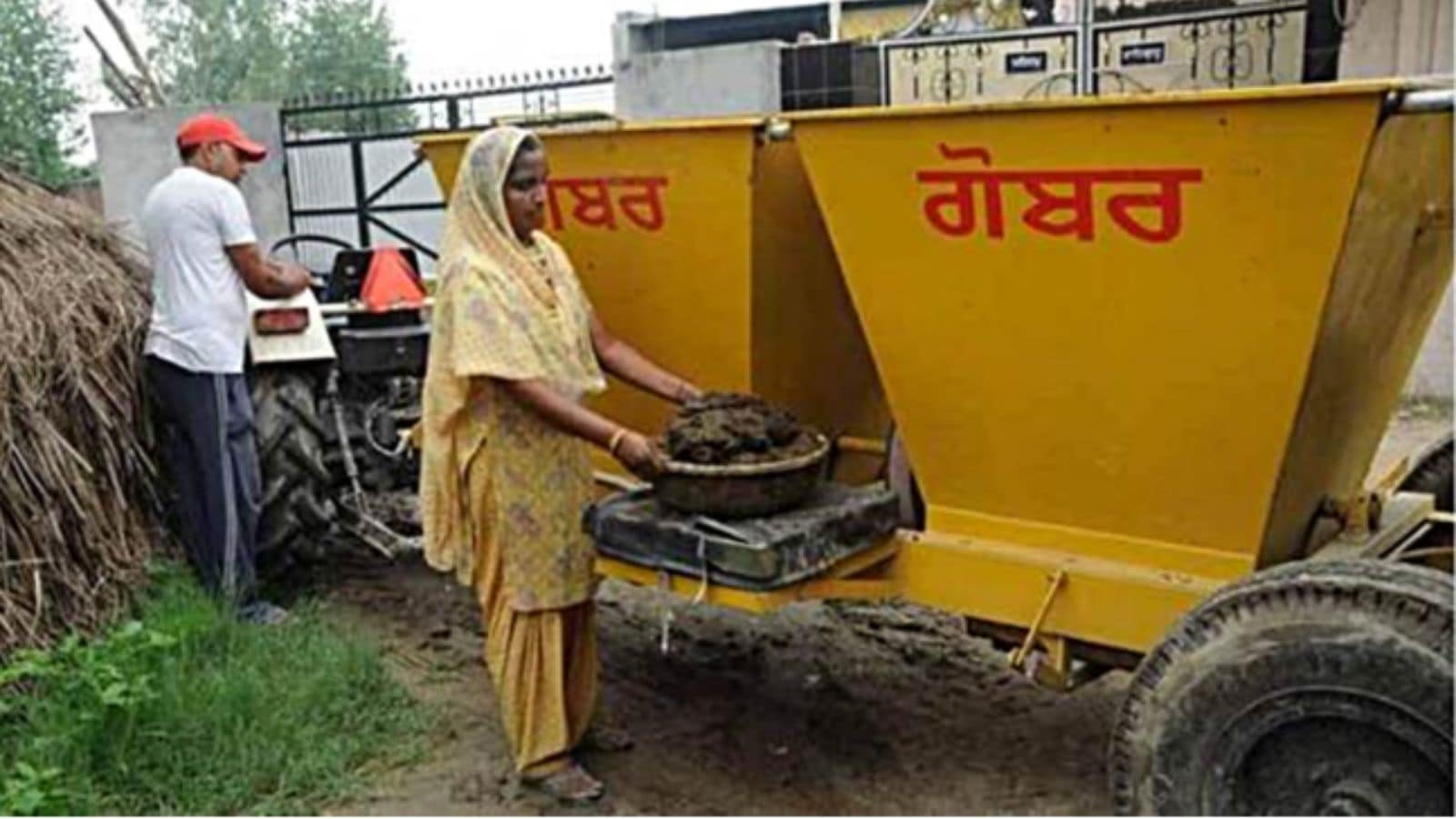
The state cabinet of Maharashtra recently gave the green light to a comprehensive biogas policy. The government will spend Rs 500 crore to provide subsidies and incentives for setting up Compressed Biogas (CBG) units. These units take organic materials like food waste, animal dung, and farm leftovers and turn them into gas. This gas is then cleaned and compressed so it can be used just like the natural gas used in cars and factories.
Important Numbers and Facts
The policy sets aside a total of Rs 500 crore for the next few years. Under this plan, the government will offer a subsidy to help cover the high costs of building these plants. The state aims to attract large investments from the private sector to build hundreds of these facilities. Maharashtra produces a massive amount of agricultural waste, especially from sugarcane and cotton farming, which will now serve as the raw material for these plants. The policy also focuses on city waste, aiming to process thousands of tons of garbage every day.
Background and Context
Waste management has been a growing problem in Maharashtra. In big cities like Mumbai and Pune, landfills are reaching their limits. In rural areas, farmers often burn crop residue after the harvest, which leads to heavy air pollution and health issues. At the same time, India is trying to reduce its dependence on imported oil and gas. Biogas is a perfect solution because it uses local waste to create local energy. This technology has been around for a long time, but it was often too expensive for small companies to start. This new policy provides the financial help needed to make these projects profitable.
Public or Industry Reaction
Industry leaders in the renewable energy sector have praised the decision. They believe the Rs 500 crore fund will give businesses the confidence to invest in new technology. Farmers' groups are also hopeful, as the policy creates a market for agricultural waste that was previously thrown away or burned. Environmental experts have noted that this is a win for the climate, as it prevents methane—a powerful greenhouse gas—from escaping into the atmosphere from rotting waste. Some critics, however, say the government must ensure that the subsidy process is simple and free of red tape to be truly effective.
What This Means Going Forward
In the coming years, residents of Maharashtra can expect to see more biogas filling stations appearing alongside traditional petrol pumps. This will give vehicle owners more choices for eco-friendly fuel. The policy will also create many new jobs, from collecting waste on farms to operating high-tech machinery at the gas plants. Additionally, the byproduct of biogas production is a rich organic fertilizer. This can be sold back to farmers, helping them grow healthier crops without using as many chemical fertilizers. The state government will likely monitor the first phase of this policy closely before deciding whether to increase the budget in the future.
Final Take
Maharashtra’s new biogas policy is a practical approach to solving modern environmental and energy challenges. By turning trash into a valuable fuel, the state is showing that economic growth and environmental protection can go hand in hand. This initiative sets a strong example for other states to follow in the journey toward a sustainable future.
Frequently Asked Questions
What is compressed biogas?
Compressed biogas, or CBG, is a renewable fuel made from organic waste like food scraps and farm leftovers. It is cleaned and compressed so it can be used in the same way as the natural gas used in vehicles.
How will the Rs 500 crore be used?
The money will be used to provide financial incentives and subsidies to companies that build and operate biogas plants. This helps lower the initial cost of setting up the expensive machinery needed for production.
How does this help farmers?
Farmers can sell their agricultural waste, such as stalks and husks, to biogas plants instead of burning them. This gives them an extra source of income and helps reduce air pollution in rural areas.



