
Summary
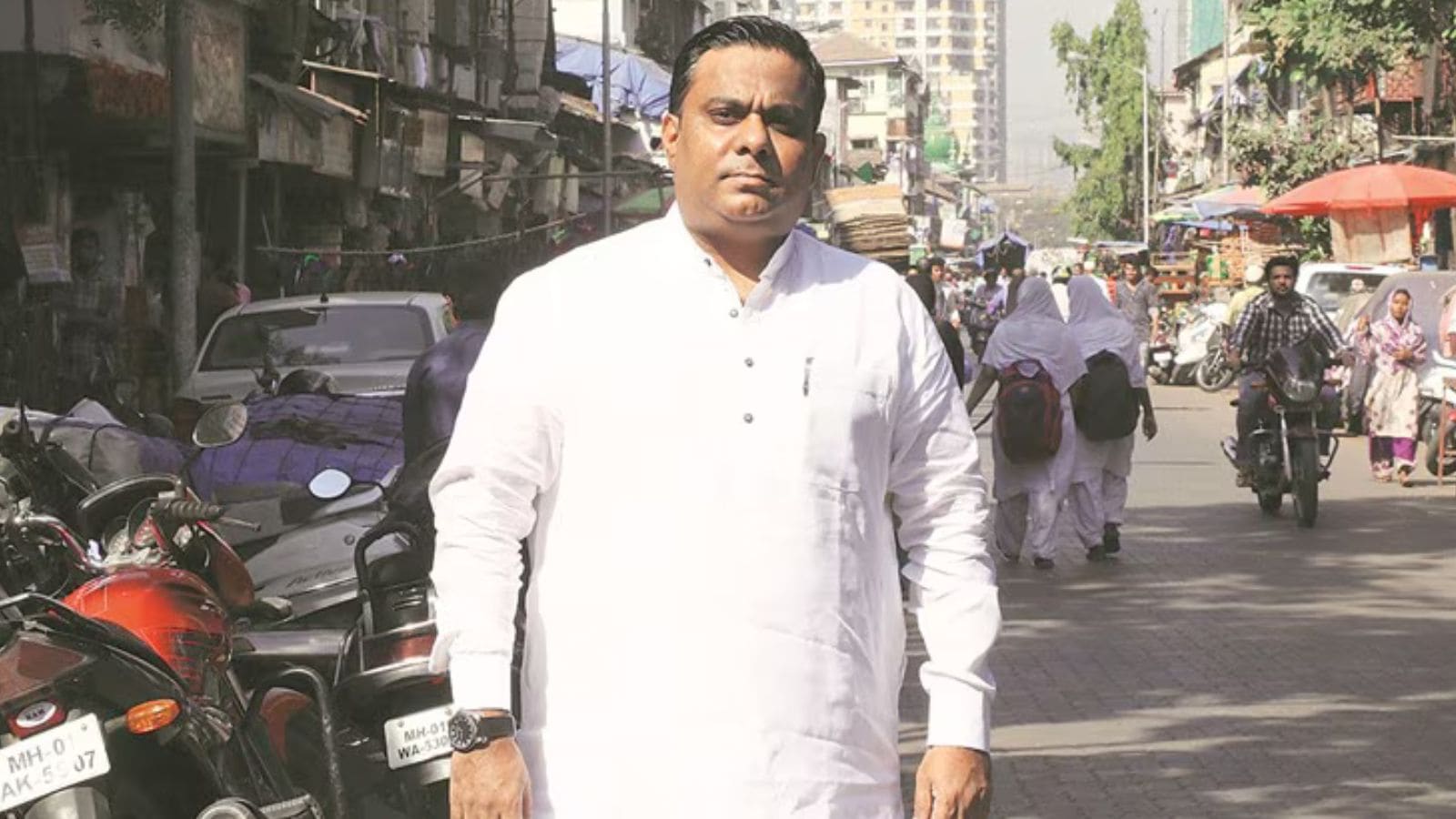
A major political debate has broken out in Maharashtra over the proposed "Maharashtra Freedom of Religion Bill, 2024." Samajwadi Party MLA Rais Shaikh has strongly opposed the bill, claiming it is designed to target minority communities. He has formally requested that the state government send the bill to a joint select committee of the legislature for a detailed review. Shaikh argues that the law could be misused and may violate the basic constitutional rights of citizens.
Main Impact
The introduction of this anti-conversion bill marks a significant shift in Maharashtra’s legal approach to religious freedom and personal choice. If the bill becomes law, it will impose strict regulations on how individuals change their faith and how interfaith marriages are handled. Critics fear that the law will give the government too much power over private lives, potentially leading to the harassment of couples and religious groups. The demand for a joint panel suggests that the opposition is ready for a long legal and political battle to ensure the bill does not pass in its current form.
Key Details
What Happened
During the recent legislative session, the Maharashtra government introduced a bill aimed at stopping forced religious conversions. Rais Shaikh, representing the Samajwadi Party, quickly voiced his concerns. He stated that the bill is not about protecting people but is instead a political tool. According to Shaikh, the law is a copy of similar rules passed in other states like Uttar Pradesh and Gujarat, which have already faced criticism for being biased. He believes that such a sensitive law should not be rushed through the assembly without a deep study by a group of experts and lawmakers from all parties.
Important Numbers and Facts
The bill includes several strict measures that have raised red flags for legal experts. Under the proposed rules, anyone wishing to change their religion must provide a 30-day notice to the District Magistrate. Failure to follow this process could result in the conversion being declared invalid. The bill also proposes heavy penalties, including prison sentences ranging from one to five years for those found guilty of using force or "allurement" to convert someone. In cases involving minors or women from protected groups, the punishment could be even more severe. Shaikh pointed out that these broad definitions of "allurement" could be used to arrest people unfairly.
Background and Context
Anti-conversion laws have become a hot topic across India over the last few years. Several states governed by the Bharatiya Janata Party (BJP) have passed similar "Freedom of Religion" acts. While the official reason for these laws is to prevent fraud and coercion, they are often referred to by critics as "Love Jihad" laws. This term is used by some groups to claim that there is a conspiracy to convert women through marriage. However, many civil rights activists argue that these laws interfere with the right to privacy and the right to practice any religion, which are guaranteed by the Indian Constitution. In Maharashtra, the introduction of this bill comes at a time of high political tension, making the debate even more intense.
Public or Industry Reaction
The reaction to the bill has been divided. Supporters of the government argue that the law is necessary to protect vulnerable people from being tricked into changing their faith. They claim that forced conversions are a real threat to social harmony. On the other hand, minority organizations and human rights groups have expressed deep worry. They believe the law will be used to target specific communities and break up interfaith families. Rais Shaikh’s demand for a joint committee has been supported by other opposition leaders who feel the bill is an attempt to polarize voters before upcoming elections. Legal experts have also noted that several parts of similar laws in other states have been put on hold by high courts, suggesting this bill might face many legal hurdles.
What This Means Going Forward
The next steps will depend on whether the state government accepts the demand for a joint select committee. If the government moves forward without a review, the bill could be passed quickly, leading to immediate changes in how religious conversions are documented. This would likely result in a wave of court cases challenging the law's validity. If a committee is formed, it will delay the bill but allow for a more balanced discussion. For the general public, this means that any person planning an interfaith marriage or a change in faith will soon have to navigate a much more complex and public legal process. The outcome of this debate will serve as a major indicator of the political and social direction Maharashtra is taking.
Final Take
The debate over the Maharashtra anti-conversion bill highlights the difficult balance between preventing crime and protecting personal freedom. While the government claims to be stopping forced actions, the opposition sees a threat to the secular fabric of the state. By calling for a joint legislative panel, lawmakers are seeking a way to ensure that any new law respects the rights of every citizen, regardless of their faith. The coming months will reveal whether the state chooses a path of strict control or one that maintains the privacy and liberty of its people.
Frequently Asked Questions
What is the main goal of the Maharashtra anti-conversion bill?
The bill aims to prevent religious conversions that happen through force, fraud, or "allurement." It requires people to notify the government before they change their religion.
Why is Rais Shaikh opposing the bill?
He believes the bill is unconstitutional and specifically targets minority communities. He argues that it interferes with personal privacy and could be used to harass innocent people.
What happens if someone breaks the rules in this proposed law?
If the bill passes, individuals found guilty of illegal conversion could face several years in prison and heavy fines. Additionally, the conversion itself would not be recognized by the state.



