
Summary
The Chavdar Lake Satyagraha, led by Dr. B.R. Ambedkar in 1927, remains one of the most significant moments in India’s struggle for social justice. This protest was not just about the right to drink water; it was a bold demand for human dignity and equal rights for those treated as "untouchables." Even a century later, the events at Mahad continue to shape Indian politics, law, and the ongoing fight for a fair society. It serves as a reminder that legal rights are only effective when people have the courage to claim them.
Main Impact
The primary impact of the Mahad Satyagraha was the shift in how social reform was handled in India. Before this event, many efforts to help lower-caste communities focused on charity or religious changes. Dr. Ambedkar changed the focus to civil rights and legal equality. By drinking water from a public tank that was forbidden to his community, he proved that social barriers are man-made and must be challenged directly. This act laid the groundwork for the anti-caste movement and influenced the writing of the Indian Constitution years later.
Key Details
What Happened
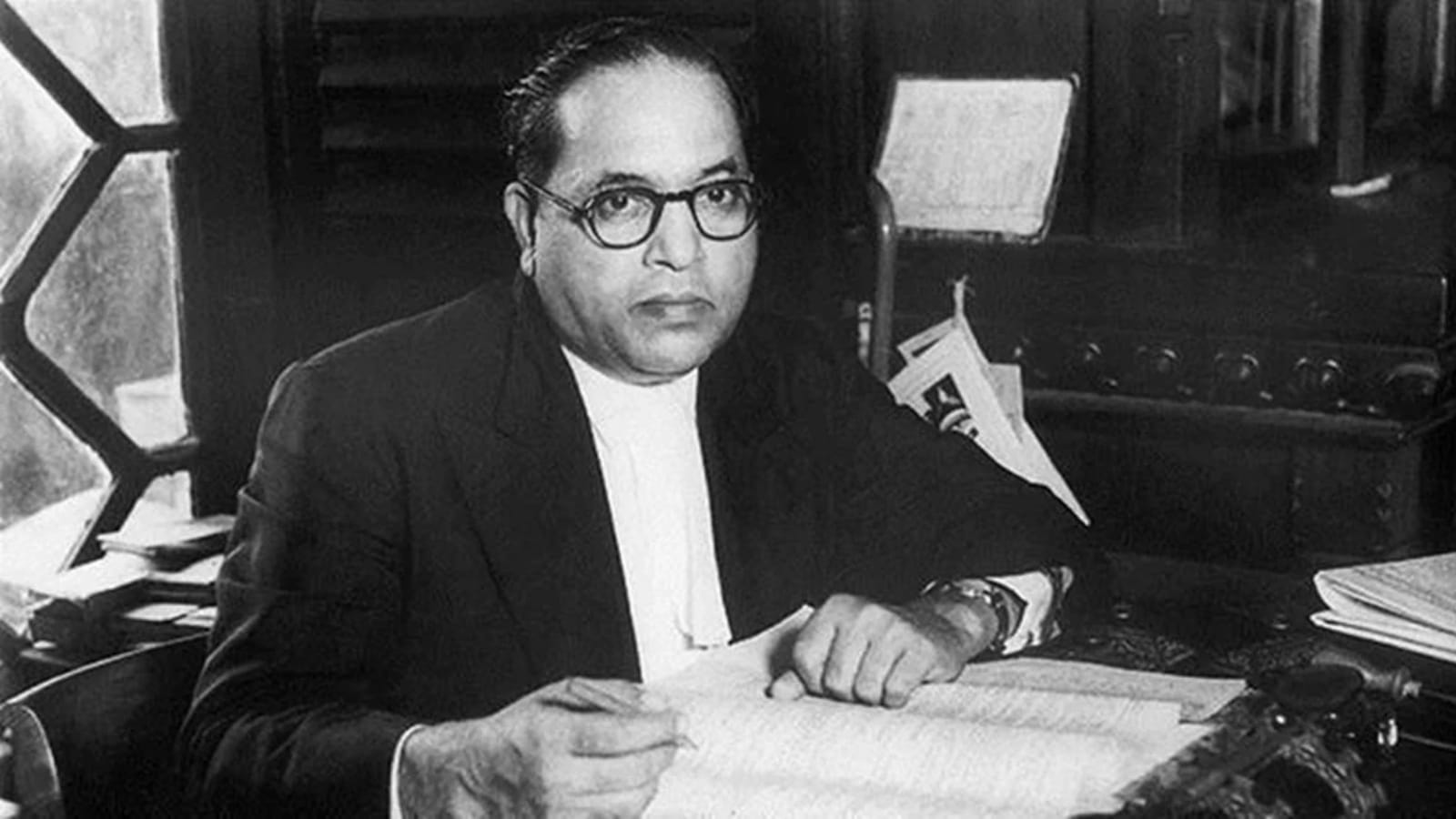
On March 20, 1927, Dr. B.R. Ambedkar led thousands of people to the Chavdar Lake in Mahad, Maharashtra. At that time, the caste system prevented Dalits from using public water sources, even though animals were allowed to drink from them. The local government had passed a rule allowing everyone to use the water, but upper-caste groups refused to follow it. Ambedkar and his followers marched to the lake, and he took a sip of the water. This simple act was a massive challenge to centuries of social rules. It showed that the community would no longer accept being treated as second-class citizens.
Important Numbers and Facts
The protest involved over 10,000 people who gathered to support the cause. While the act of drinking water took only a moment, the legal and social battle lasted for years. Following the protest, conservative groups performed a "purification" ritual at the lake, using cow urine and milk to "cleanse" it because they believed the water had been made dirty by the touch of Dalits. This reaction led Ambedkar to organize a second protest in December 1927, where he famously burned the Manusmriti, an ancient text that supported caste discrimination. It took nearly a decade of legal fighting before the courts finally ruled that Dalits had the right to use the water in 1937.
Background and Context
To understand why this event matters, one must look at the social conditions of the 1920s. India was under British rule, but the internal social system was divided by strict caste lines. People from lower castes were denied education, jobs, and basic needs like clean water. In 1923, the Bombay Legislative Council passed the "Bole Resolution," which stated that all public places should be open to everyone. However, this law was ignored by local leaders. Ambedkar realized that laws alone would not change society. He believed that people had to stand up and physically claim their rights to force a change in the mindset of the public.
Public or Industry Reaction
The reaction at the time was mixed and often violent. While the protesters were peaceful, they were attacked by mobs who were angry that the traditional social order was being challenged. Many newspapers at the time were critical of the movement, fearing it would cause too much social unrest. However, the event gained international attention over time as a major civil rights milestone. Today, the site at Mahad is a place of pilgrimage for millions. Political leaders from all parties now visit the lake to pay their respects, recognizing that the movement started a conversation about equality that cannot be ignored.
What This Means Going Forward
The legacy of the Mahad Satyagraha is seen in modern Indian politics every day. The fight for "water rights" has turned into a fight for representation in government, education, and the workforce. Political parties often use the memory of Mahad to appeal to Dalit voters, who make up a large part of the population. However, the core issues of the protest still exist in some parts of the country where access to resources is still divided by caste. The next steps for society involve moving beyond symbolic gestures and ensuring that the equality promised by Ambedkar is felt by everyone in their daily lives.
Final Take
The Chavdar Lake Satyagraha was more than a protest; it was the birth of a new identity for millions of people. It taught that dignity is not something to be asked for, but something to be taken. As India moves further into the 21st century, the lessons from Mahad remain vital. True progress is measured not just by economic growth, but by how fairly a society treats its most vulnerable members. The water of Chavdar Lake continues to represent the thirst for justice that still drives social movements today.
Frequently Asked Questions
Why is the Chavdar Lake Satyagraha called a "water protest"?
It is called a water protest because the central act was Dr. Ambedkar drinking water from a public lake that was restricted to lower castes. It used water as a symbol for basic human rights and social inclusion.
When did the Mahad Satyagraha take place?
The first major event took place on March 20, 1927. This date is now celebrated by many as Social Empowerment Day in India to honor the struggle for equality.
What was the result of the protest?
The protest led to a long legal battle that ended in 1937 with a court ruling in favor of equal access. More importantly, it united the Dalit community and established Dr. Ambedkar as a major national leader for social reform.



