Summary
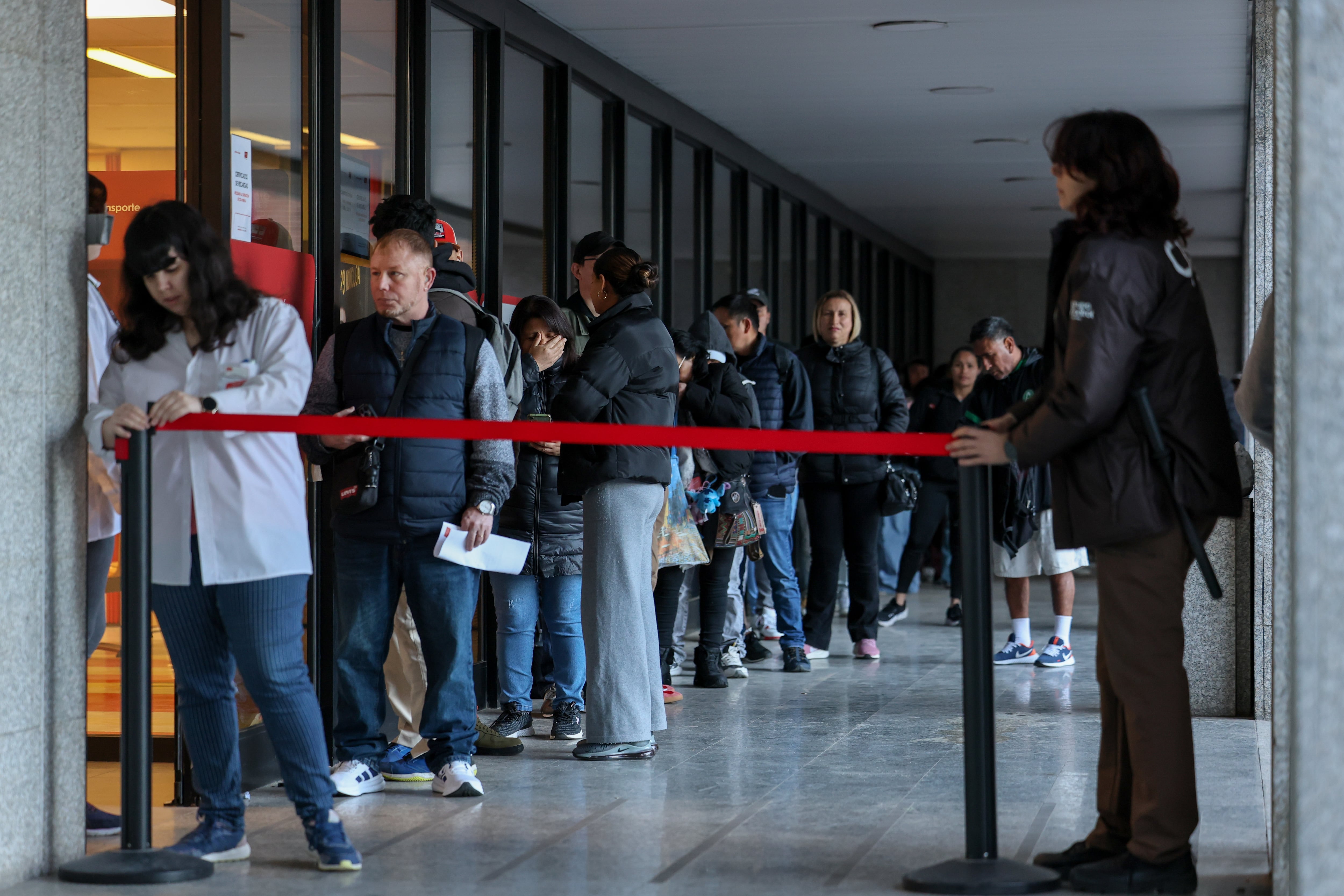
The main office responsible for issuing transport card certificates in Madrid is currently overwhelmed. Hundreds of people are lining up daily because the online appointment system has completely run out of available slots until the end of May. This surge in demand is driven by a new government effort to help migrants gain legal status, as these travel records serve as vital proof of residency. Without these documents, many individuals fear they will miss their chance to regularize their living situation in Spain.
Main Impact
The sudden collapse of the appointment system has created a significant barrier for the migrant community in Madrid. For many, the "transport card memory certificate" is the most reliable way to prove they have been living in the city for a specific period. Because the online system is blocked, people are forced to wait for hours in the streets, often starting before sunrise. This administrative bottleneck is not just a matter of long lines; it represents a major hurdle in a legal process that could change the lives of thousands of residents. If the office cannot handle the volume of requests, many people might fail to meet the strict deadlines required for their legal paperwork.
Key Details
What Happened
The crisis is centered at the Office of Management of the Regional Transport Consortium of Madrid, located at Plaza Descubridor Diego de Ordás. For several weeks, the office has seen a massive increase in visitors. Most of these individuals are migrants in irregular situations who have been advised by their lawyers to obtain a history of their transport card usage. This document shows every time a person used the metro or bus, providing a clear timeline of their presence in the city. However, the digital infrastructure has failed to keep up with the demand, leading to a total lack of online appointments for the next several weeks.
Important Numbers and Facts
As of mid-April 2026, the official website for the Transport Consortium shows no available appointments until May 31. This means a wait time of at least six weeks for those trying to follow the standard procedure. Outside the office, people like Lucy, a 22-year-old from Honduras, report waiting for over a week just to get information or a manual turn. Many of those in line have lived in Madrid for six months or more and are now rushing to gather documents for the government's mass regularization program. The office at Plaza Descubridor Diego de Ordás is currently the only location in the region that handles these specific travel history certificates.
Background and Context
This situation is directly linked to a broader political move by the Spanish government to regularize the status of migrants living in the country. To qualify for legal residency, applicants must provide "solid proof" that they have been residing in Spain. While rental contracts or work records are ideal, many migrants work in the informal economy or live in shared housing without a formal lease. In these cases, the transport card becomes a crucial piece of evidence. Since the card is personal and used daily, the "memory certificate" acts as a digital footprint of their life in Madrid. The sudden announcement of the regularization program caused a rush that the Transport Consortium was not prepared to handle.
Public or Industry Reaction
Legal experts and immigrant advocacy groups have expressed concern over the situation. Lawyers are reporting that the lack of appointments is causing panic among their clients. There is a general feeling that the administration should have increased staff or opened more offices before launching a program that requires such specific documentation. On the ground, the mood is one of frustration and exhaustion. Many people in line are missing work or spending their only days off standing on the sidewalk, hoping for a chance to speak with an official. Critics argue that a digital system that remains booked for two months is essentially a broken system.
What This Means Going Forward
The Regional Transport Consortium will likely face increasing pressure to resolve this backlog. Possible solutions include opening more branch offices to issue these certificates or simplifying the online request process so that documents can be sent via email. If the situation does not improve, it could lead to a secondary market where people sell appointments, or worse, it could prevent eligible residents from gaining legal status. The government may also need to consider alternative forms of proof if the transport office remains unable to meet the demand. For now, the focus remains on whether the regional government will provide more resources to this single, overwhelmed office.
Final Take
Administrative delays should not be the reason a person loses their chance at a legal future. The current situation in Madrid highlights a gap between high-level government policy and the daily reality of the offices that must implement it. Without a quick fix to the appointment system, the goal of a smooth and massive regularization process will remain out of reach for many.
Frequently Asked Questions
Why is the transport card certificate so important?
It serves as official proof of residency for migrants who may not have other documents like house deeds or formal work contracts. It shows a history of daily activity in the city.
Can I get an appointment online right now?
Currently, the online system is fully booked. Most reports indicate that there are no available slots until at least May 31, 2026.
Is there more than one office that issues this document?
No, the office at Plaza Descubridor Diego de Ordás is the only location currently authorized to issue the full travel history certificate required for these legal procedures.