
Summary
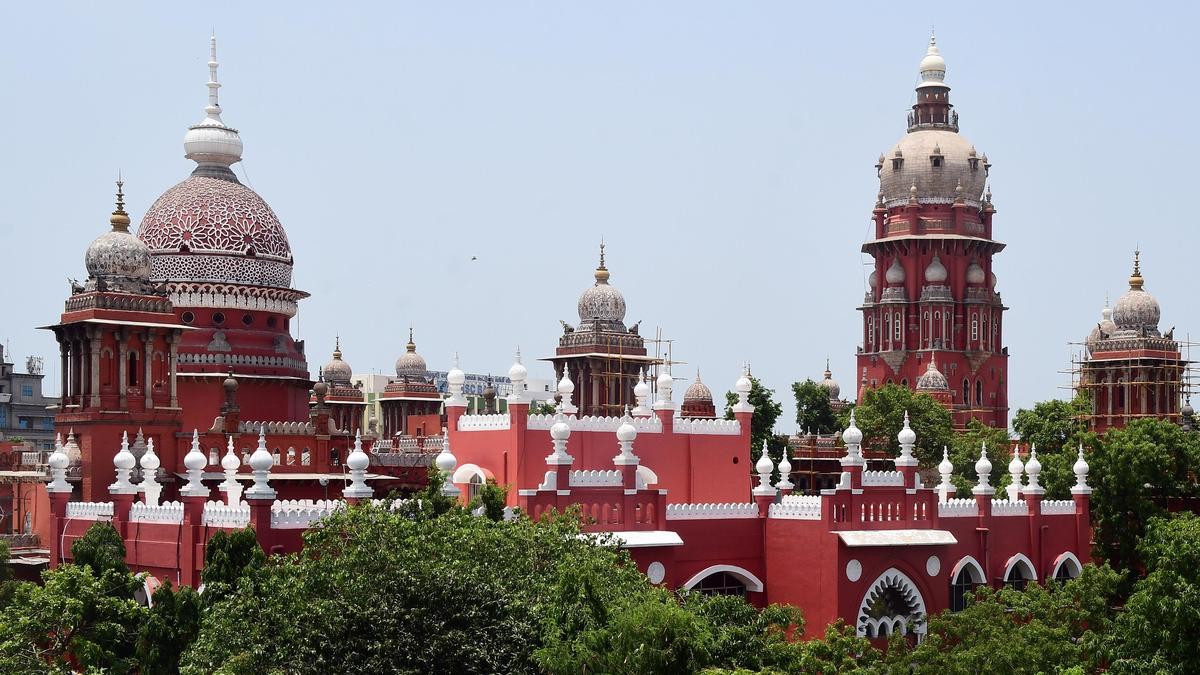
The Madras High Court has stopped the construction of a new multi-storey apartment building in the Alwarpet area of Chennai. Justice V. Lakshminarayanan cancelled the planning permission that was originally given to RUIA Developers LLP. This decision came after the court reviewed how the permission was granted by the local planning authority. The ruling is a significant move to protect the existing residential character of the Parthasarathy Gardens neighborhood.
Main Impact
The primary impact of this ruling is the immediate halt of a major real estate project. By cancelling the permit, the court has prevented RUIA Developers LLP from moving forward with their high-rise plans. This decision highlights the power of the judiciary to oversee urban development and ensure that government bodies follow the law. For the residents of Alwarpet, this means their neighborhood will not face the sudden pressure of a large, high-density building that could have affected local resources.
Key Details
What Happened
The legal case focused on a specific planning permit issued by the Chennai Metropolitan Development Authority (CMDA). The CMDA had given RUIA Developers LLP the green light to build a multi-storey apartment complex at Parthasarathy Gardens. However, the court found that this permission was not valid under the current rules. Justice V. Lakshminarayanan decided to quash the permit, which effectively makes any further work on the project illegal under the current approval.
Important Numbers and Facts
The project was located in Parthasarathy Gardens, which is a premium residential section of Alwarpet. The developer involved is RUIA Developers LLP. The main government body responsible for the initial approval was the CMDA. The court's decision specifically targets the "multi-storey" status of the building, suggesting that the scale of the project was a major factor in the legal challenge. The ruling was delivered on April 22, 2026, marking a key date for urban planning law in the city.
Background and Context
Alwarpet is one of the oldest and most respected residential areas in Chennai. Over the last few decades, the city has seen a massive increase in the number of high-rise buildings. While growth is necessary, it often puts a heavy load on old infrastructure. In areas like Parthasarathy Gardens, the roads, water supply, and sewage systems were designed for smaller homes, not large apartment blocks. The CMDA is the agency that is supposed to balance the need for new housing with the limits of the city's infrastructure. When the CMDA grants permission for a project that residents feel is too large or breaks zoning rules, the matter often ends up in the Madras High Court.
Public or Industry Reaction
The local community in Alwarpet has generally welcomed the court's decision. Many residents have long argued that the rapid construction of tall buildings is ruining the peace and safety of their neighborhoods. They believe that such projects lead to traffic jams and water shortages. On the other side, the real estate industry may view this ruling as a setback. Developers often argue that multi-storey buildings are the only way to meet the high demand for housing in central Chennai. This court order might make other developers more cautious about starting large projects in established residential zones.
What This Means Going Forward
This ruling sets a strong example for future building projects in Chennai. It shows that having a permit from the CMDA does not always mean a project is safe from legal trouble. The CMDA may now face more pressure to be transparent and strict when reviewing applications for multi-storey buildings. Other neighborhoods in Chennai might use this case as a guide to challenge similar projects in their own areas. For RUIA Developers LLP, the next step would likely involve either appealing the decision or changing their building plans to fit within stricter residential guidelines.
Final Take
The Madras High Court has sent a clear message that urban growth must follow the law and respect the needs of the community. While the city needs more housing, the court has shown that this growth cannot happen by ignoring established planning rules. This decision protects the character of Alwarpet and ensures that the CMDA remains accountable for the permissions it grants to private developers.
Frequently Asked Questions
Why did the Madras High Court cancel the building permit?
The court found that the planning permission granted by the CMDA to RUIA Developers LLP was not legally valid. Justice V. Lakshminarayanan quashed the permit after reviewing the case details.
Where was the apartment building supposed to be built?
The project was planned for Parthasarathy Gardens, which is located in the Alwarpet area of Chennai.
Who is RUIA Developers LLP?
RUIA Developers LLP is the real estate firm that was planning to build the multi-storey apartment complex before the court stopped the project.



