
Summary
A five-year-old girl who fell into an open borewell in Madhya Pradesh has passed away. The child was stuck deep underground for several hours before rescue teams were able to pull her out. Although she was rushed to a nearby hospital immediately after being rescued, doctors were unable to revive her. This tragic event has once again raised serious concerns about the safety of uncovered borewells in rural parts of India.
Main Impact
The death of the young girl has sparked grief and anger across the region. It highlights a recurring safety problem where abandoned or unfinished wells are left open, creating deadly traps for children. This incident puts pressure on local authorities to enforce stricter rules regarding how these wells are managed. It also serves as a painful reminder of the risks faced by families living in agricultural areas where such wells are common.
Key Details
What Happened
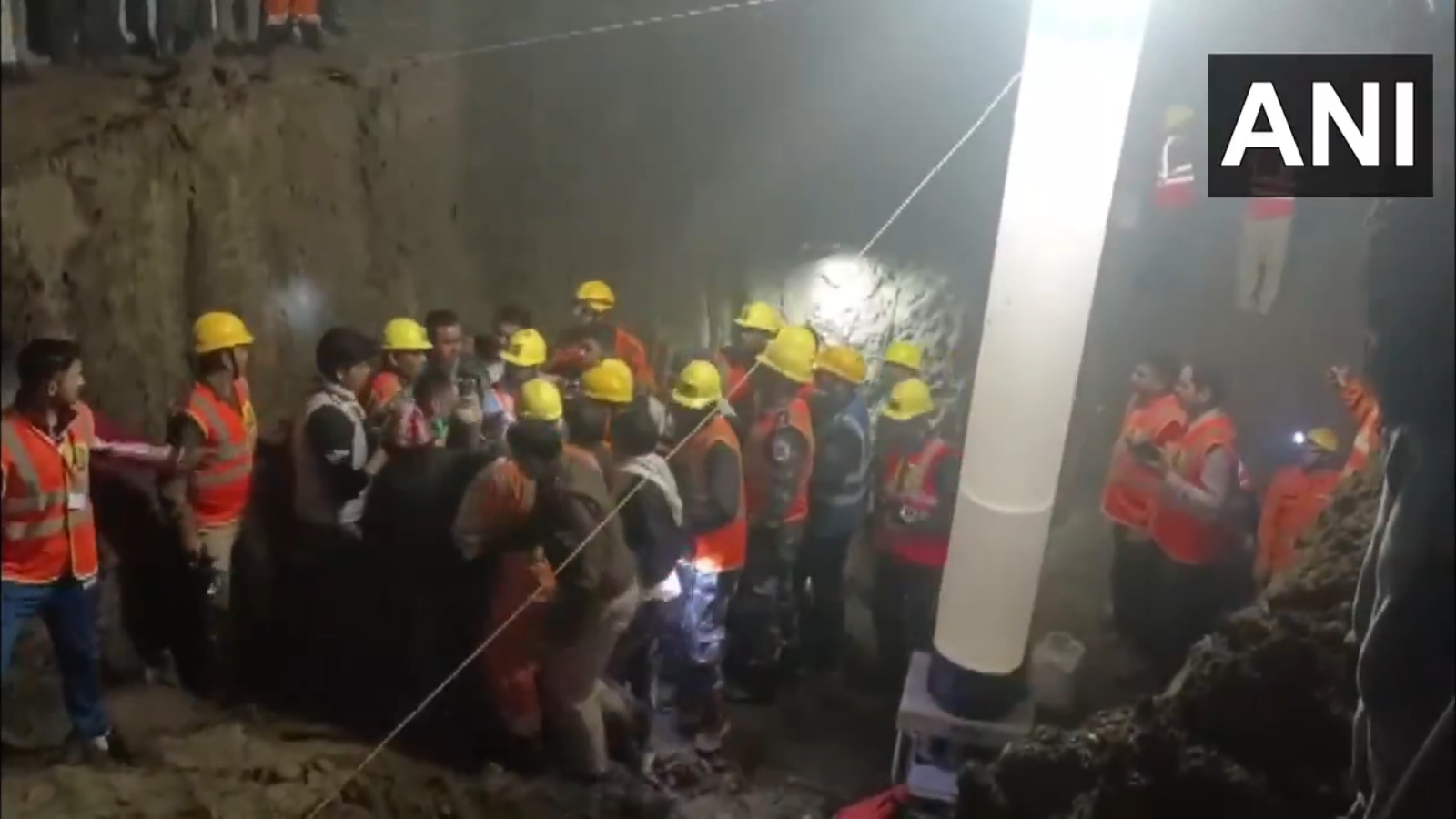
The incident began when the young girl was playing in a field near her home. According to local reports, she accidentally stepped into the narrow opening of a borewell that had been left uncovered. The hole was very deep and narrow, which made it impossible for family members to reach her. They quickly called for help, and local police arrived at the scene to start a rescue mission. As the situation became more difficult, specialized disaster response teams were called in to take over the operation.
Important Numbers and Facts
The rescue operation lasted for many hours as teams worked through the night. The girl was reportedly trapped at a depth of several dozen feet, where space is tight and oxygen is limited. Rescuers used heavy machinery, including earthmovers, to dig a parallel hole next to the borewell. This is a standard but slow method used to reach trapped victims without causing the earth to cave in on them. Throughout the process, oxygen was pumped into the well through a pipe to help the child breathe, but the physical toll of being trapped for so long proved to be too much.
Background and Context
Borewells are deep, narrow holes drilled into the ground to get water for farming or drinking. In many parts of Madhya Pradesh and other states, farmers dig these wells frequently. If a well does not find water, it is often abandoned. Unfortunately, many owners do not properly seal or cover these holes with concrete or heavy metal lids. Because the openings are small, they can be hidden by grass or dirt, making them very hard to see. Over the years, dozens of children across India have fallen into these wells, leading to long and difficult rescue efforts that do not always end successfully.
Public or Industry Reaction
The public reaction has been one of deep sadness and frustration. Many people are asking why these accidents continue to happen despite clear guidelines from the government and the Supreme Court of India. Social media users and local community leaders are calling for the owners of the land to be held responsible for the negligence. There is a growing demand for local village officials to conduct surveys and ensure that every single borewell in their area is either in use and covered or filled in completely to prevent future deaths.
What This Means Going Forward
In the coming weeks, local authorities are expected to launch an investigation into this specific case. This could lead to legal action against the landowner for failing to secure the well. On a larger scale, the state government may issue new orders for a safety drive to identify and close all open borewells. Families in rural areas are being urged to keep a closer watch on children playing near fields. The tragedy serves as a call to action for better safety equipment and faster response times for rural emergency teams who deal with these specific types of accidents.
Final Take
The loss of a young life in such a preventable way is a heavy burden for the community. While rescue teams worked hard to save the girl, the real solution lies in prevention rather than rescue. Until there is a strict system to monitor and close abandoned wells, these narrow holes will continue to pose a threat to the most vulnerable members of society. Safety must become a priority for every landowner to ensure that no other family has to go through this kind of pain.
Frequently Asked Questions
Why are borewells so dangerous for children?
Borewells are dangerous because they are very narrow and deep. When a child falls in, they often get stuck in a tight position that makes it hard to breathe. The depth also makes it very difficult for rescuers to reach them quickly without specialized equipment.
What is the usual process for a borewell rescue?
Rescuers usually dig a second hole parallel to the borewell. Once they reach the same depth as the child, they dig a horizontal tunnel to connect the two holes. This process is slow because they must be careful not to cause a landslide or hurt the child with heavy tools.
Who is responsible for covering a borewell?
The owner of the land is legally responsible for ensuring that any borewell on their property is safely covered. If a well is no longer being used, it should be filled with sand or clay and capped with a strong concrete cover to prevent accidents.



