
Summary
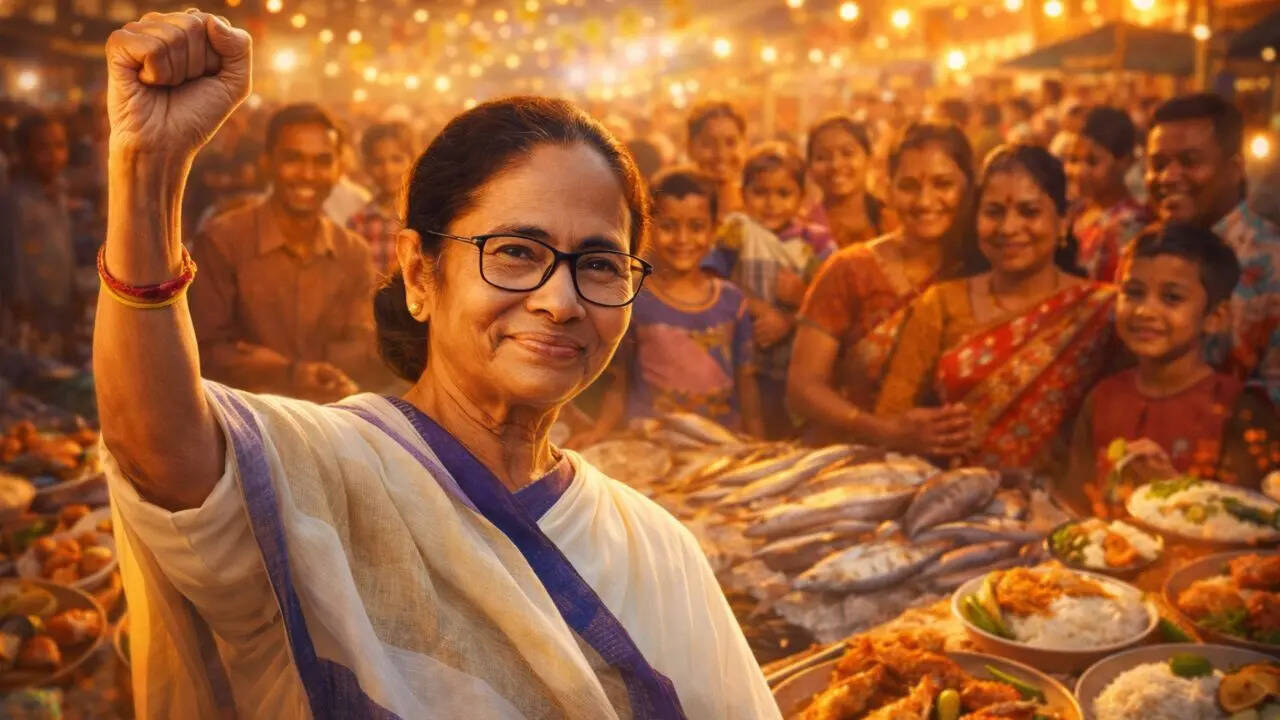
The Trinamool Congress (TMC) is using a famous local phrase, "Mache Bhate Bangali," to connect with voters ahead of the West Bengal assembly polls. This phrase, which means "Bengali by fish and rice," highlights the traditional diet and lifestyle of the people in the state. By focusing on food, the TMC aims to protect Bengali identity and push back against the influence of the Bharatiya Janata Party (BJP). The move turns a simple dinner habit into a powerful political tool to win over the local population.
Main Impact
This strategy has changed the focus of the election from basic issues like roads and jobs to a fight over cultural pride. The TMC is successfully using the "insider versus outsider" argument by claiming that the BJP does not understand or respect Bengali traditions. By making fish a symbol of resistance, the TMC is trying to unite voters under a single cultural banner. This makes it harder for the BJP to gain ground, as they are often portrayed as a party that wants to impose different customs on the state.
Key Details
What Happened
During the election campaign, the TMC started using the slogan "Mache Bhate Bangali" in their speeches, posters, and social media posts. They argue that the BJP follows a North Indian culture that promotes vegetarianism and wants to tell people what they should or should not eat. In response, the TMC is telling voters that their right to eat fish and rice is under threat. This has turned the kitchen and the dining table into a political battleground where local habits are seen as a way to defend the state's heritage.
Important Numbers and Facts
West Bengal is one of the largest consumers of fish in India, with over 90% of the population including it in their regular diet. The state produces nearly 2 million tonnes of fish every year to meet this high demand. In past elections, the TMC has used similar cultural slogans to win, such as "Ma, Mati, Manush" (Mother, Land, and People). The current focus on food is a new addition to this long-standing strategy of using local pride to defeat national political parties.
Background and Context
To understand why this matters, one must look at how important fish is to a Bengali person. It is not just a meal; it is part of every major life event. Fish is served at weddings, offered during religious festivals, and given as a gift to show respect. For many years, there has been a debate in India about food choices. Some states led by the BJP have introduced strict rules about meat. The TMC is using these examples to tell Bengali voters that if the BJP wins, their traditional way of life might change. They want to show that they are the only party that truly understands the "Bengali soul."
Public or Industry Reaction
The reaction from the public has been strong. Many local people feel a sense of pride when their daily habits are celebrated. Fish sellers and local markets have become places for political talk, with many people agreeing that their food choices define who they are. On the other side, the BJP has tried to defend itself. BJP leaders say they have no plans to change anyone's diet and that the TMC is just trying to scare people to get votes. However, the "outsider" tag continues to be a challenge for the BJP, as they struggle to prove they are just as "Bengali" as the TMC.
What This Means Going Forward
As the election gets closer, the focus on cultural identity will likely grow even stronger. The TMC will continue to use local symbols to keep the BJP on the defensive. If this strategy works, it could show other regional parties in India how to fight national parties by using local traditions. For the BJP, the challenge is to find a way to respect local customs while still promoting their national vision. The outcome of this "fish and rice" campaign will show whether voters care more about cultural protection or the promises of a national government.
Final Take
Food is much more than nutrition; it is a way for people to feel like they belong to a group. In West Bengal, the TMC has turned a daily meal into a shield against political rivals. By making the election about fish and rice, they have made the choice very simple for many voters: stay with what you know and love, or risk a change that feels foreign. This cultural approach proves that in politics, the way to a voter's heart is often through their heritage and their plate.
Frequently Asked Questions
What does "Mache Bhate Bangali" mean?
It is a traditional saying that means "Bengali by fish and rice." It describes the basic diet and cultural identity of the people living in West Bengal.
Why is the TMC using this phrase in the election?
The TMC is using it to show they are the protectors of Bengali culture. They want to portray the BJP as a party from outside the state that might try to change local traditions and food habits.
How has the BJP responded to this campaign?
The BJP has denied that they want to change Bengali culture. They argue that the TMC is using food as a distraction to avoid talking about other issues like the economy and corruption.



