Summary
Delhi Capitals fast bowler Lungi Ngidi was taken to the hospital in an ambulance after suffering a serious head injury during a match against the Punjab Kings. The incident happened while the South African player was trying to take a difficult catch in the outfield. He hit the ground with great force, leading to immediate medical attention on the field. This event has caused deep concern among fans and teammates regarding the player's health and safety.
Main Impact
The injury to Lungi Ngidi is a major setback for the Delhi Capitals' bowling attack. Losing a key fast bowler in the middle of a game changes the entire strategy for the captain and the coaching staff. Beyond the match itself, the sight of an ambulance on the cricket field serves as a sobering reminder of the physical dangers players face. The team must now wait for medical reports to see how long Ngidi will be out of action, which could affect their performance for the rest of the season.
Key Details
What Happened
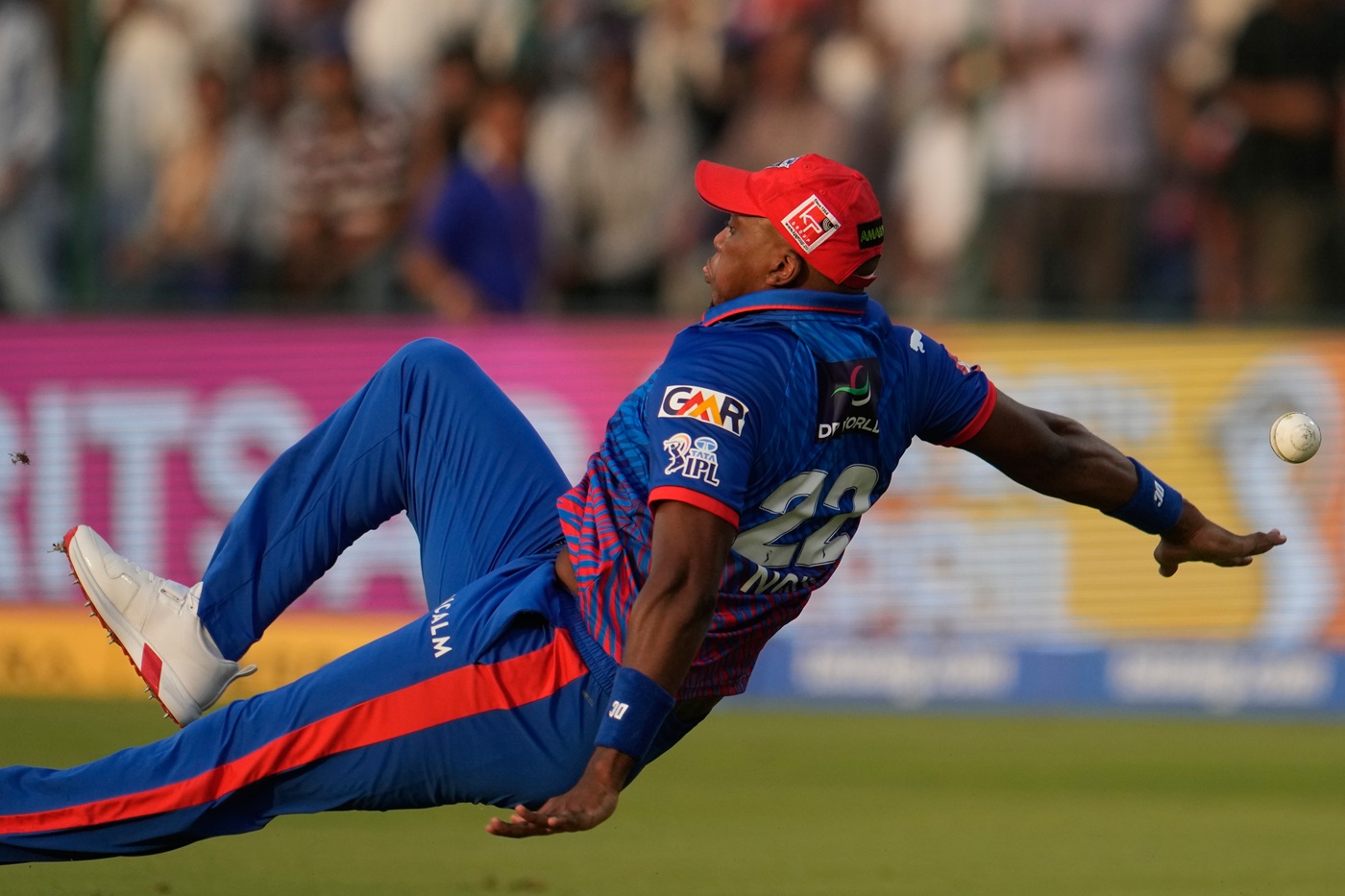
The accident took place during the first half of the game while the Punjab Kings were batting. A batter hit a high ball toward the boundary, and Ngidi ran a long distance to try and catch it. As he dived forward to reach the ball, his momentum caused him to flip over, and his head struck the hard turf with a lot of power. He did not get up immediately, which signaled to the players and officials that the situation was serious.
The team physio and doctors rushed to the spot within seconds. After a quick check, they called for a stretcher. Because of the nature of the head impact, the medical team decided not to take any risks. An ambulance was driven onto the field to transport him directly to a nearby hospital for emergency scans and observation.
Important Numbers and Facts
The incident occurred on April 25, 2026, during a high-pressure league match. Ngidi had already completed a portion of his bowling spell before the injury happened. Under current cricket rules, the Delhi Capitals were allowed to use a concussion substitute to replace him for the remainder of the game. Medical experts suggest that head impacts in sports require at least 24 to 48 hours of close monitoring to rule out serious brain trauma or internal bleeding.
Background and Context
Head injuries in cricket have become a major topic of discussion over the last few years. In the past, players often continued playing after a fall, but new safety rules have changed that. Now, any blow to the head is treated with extreme caution. Lungi Ngidi is known for his hard-working nature and his willingness to dive for every ball, which is why he is so valued by his team. However, this high-energy style of play also comes with higher risks of injury on the field.
The Delhi Capitals have been relying on Ngidi to lead their pace attack. He provides speed and bounce that many batters find hard to handle. Without him, the team loses a player who can take wickets during the most important parts of the game. This injury adds to the list of physical challenges fast bowlers face, including back issues and leg injuries, but head injuries are always treated as the most dangerous.
Public or Industry Reaction
The stadium went very quiet as the ambulance arrived on the grass. Fans from both teams showed their support by clapping as Ngidi was carried off. On social media, many former cricketers and experts expressed their hope for his quick recovery. Many people praised the match officials and medical staff for acting so quickly and not trying to move the player until it was safe to do so.
Cricket commentators noted that the ground was quite hard, which might have made the impact worse. There is a growing conversation about player safety and whether the grass on the boundaries should be softer to protect fielders who dive. For now, the focus remains entirely on Ngidi’s health and his ability to return to the sport safely.
What This Means Going Forward
Ngidi will likely spend the next few days in the hospital or under strict medical watch. If he has a concussion, he will have to follow a specific "return to play" plan. This plan usually involves resting for several days and then slowly increasing physical activity. He will not be allowed to play again until he passes several medical tests to ensure his brain is fully healed.
For the Delhi Capitals, they will need to look at their squad to find a replacement. If Ngidi is out for a long time, they might be allowed to bring in a new player from outside the current team. This situation puts a lot of pressure on the other bowlers to step up and fill the gap left by one of their best players.
Final Take
The health of a player is always more important than the result of a cricket match. While the Delhi Capitals will miss Ngidi’s skills on the field, the priority is making sure he recovers fully from this scary head injury. This incident highlights the bravery of cricketers who put their bodies on the line and the importance of having excellent medical teams ready at every game.
Frequently Asked Questions
What caused Lungi Ngidi's injury?
He hit his head hard on the ground while diving to catch a ball during a match against the Punjab Kings.
Can a team replace a player who has a head injury?
Yes, cricket rules allow for a "concussion substitute" who can take the injured player's place for the rest of the match.
How long will Lungi Ngidi be out of action?
It depends on the medical results. If he has a concussion, he will likely miss at least one to two weeks of play to follow safety rules.