
Summary
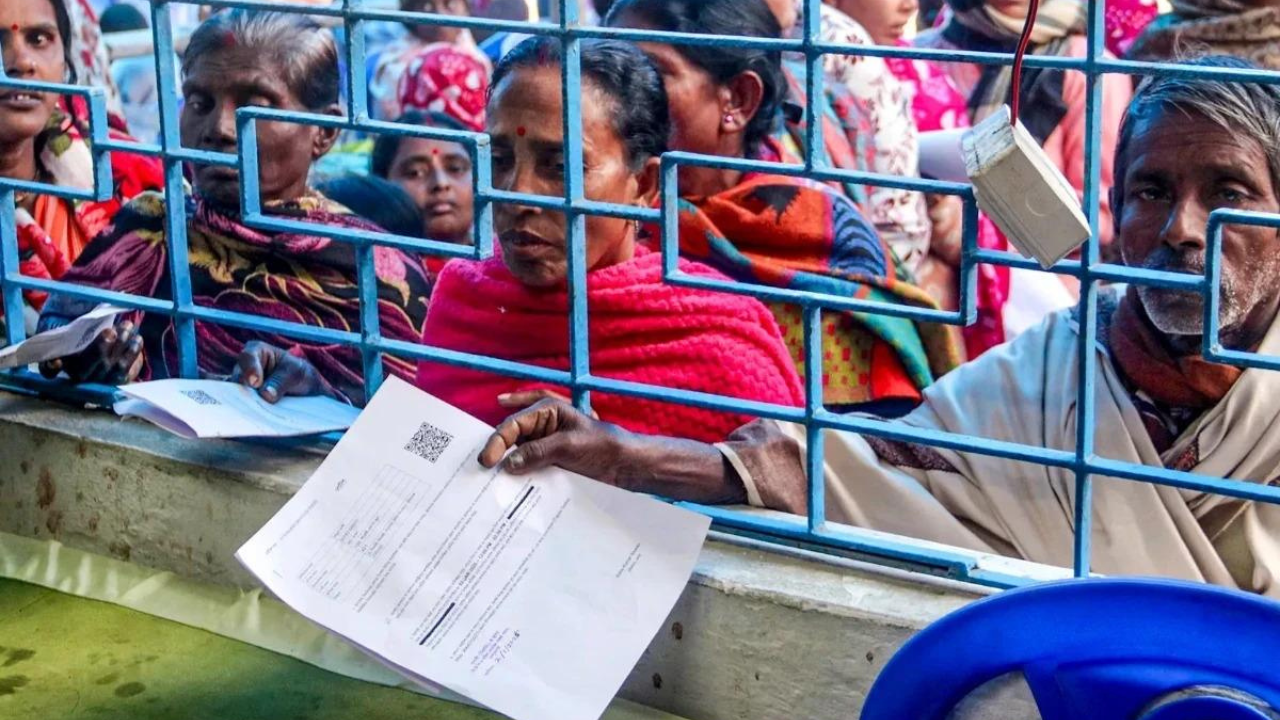
A small group of people known as the "Lucky 139" have finally gained the right to vote in the current elections. These individuals live in border areas that were part of a long-standing land dispute between India and Bangladesh. While these 139 people are celebrating their new identity as voters, many of their own family members and neighbors are still left out. This situation shows the deep divide in families where some members are recognized as citizens while others remain without legal documents.
Main Impact
The primary impact of this development is the creation of a "split status" within households. In many homes, a father might have the right to vote while his son does not, or a wife might be a recognized citizen while her husband is not. This has caused a mix of joy and sadness in the community. While the 139 people feel a sense of belonging, the exclusion of their relatives highlights the slow pace of government paperwork and the difficulty of proving citizenship in border regions.
Key Details
What Happened
The "Lucky 139" are residents of former enclaves—small pockets of land that were traded between India and Bangladesh years ago. For a long time, these people lived without a clear country to call their own. After a major land agreement, they were supposed to become full Indian citizens. However, getting the actual voter ID cards has been a very slow process. Recently, 139 of them finally cleared all the checks and received their cards, allowing them to participate in the democratic process for the first time in their lives.
Important Numbers and Facts
The group consists of exactly 139 individuals who were recently added to the voter lists in the Cooch Behar district. However, local reports suggest that thousands of others in the same area are still waiting for their documents. Many of these people have lived on the same land for decades but lack birth certificates or old school records. Without these papers, the government cannot verify their identity, leaving them in a state of legal limbo where they cannot vote, get government jobs, or access certain social benefits.
Background and Context
To understand why this matters, we have to look back at the history of the India-Bangladesh border. For nearly 70 years, there were hundreds of "enclaves" along the border. These were tiny islands of Indian land inside Bangladesh and vice versa. People living there had no schools, no hospitals, and no rights. In 2015, the two countries signed the Land Boundary Agreement to swap these lands. People were given the choice to stay where they were and take the citizenship of that country. While the land swap happened quickly, the process of giving every person a legal ID card has taken much longer than expected.
Public or Industry Reaction
The reaction from the community is one of frustrated hope. Those who can vote are excited to finally have a voice in how their area is run. They see the voter ID card as more than just a piece of paper; it is proof that they exist and belong to the country. However, community leaders and activists are pointing out the unfairness of the situation. They argue that if 139 people could be verified, the government should be able to verify the rest of the families as well. There is a growing demand for the government to simplify the rules for those who lost their old documents during the years of confusion.
What This Means Going Forward
Going forward, the focus will be on the thousands of people who are not part of the "Lucky 139." The government faces pressure to speed up the verification process before the next election cycle. If the process remains this slow, an entire generation of young people in these former enclaves might grow up without the right to vote. There is also a risk that this legal divide could lead to social tension within the villages, as some people receive government help while their neighbors are ignored because they lack the right papers.
Final Take
The story of the Lucky 139 is a reminder that citizenship is about more than just where you live; it is about being seen by the law. While it is a victory for those who can now vote, the job is only partially finished. True success will only come when every person living in these former enclaves has the same rights as their neighbors. Until then, the "luck" of a few will continue to highlight the struggles of the many who are still waiting for their turn to be counted.
Frequently Asked Questions
Who are the Lucky 139?
They are a group of residents from former border enclaves who recently received their Indian voter ID cards after years of waiting for legal recognition.
Why can't their family members vote?
Many family members lack the specific historical documents, such as old land records or birth certificates, required by the government to prove their identity and citizenship.
What was the 2015 Land Boundary Agreement?
It was a deal between India and Bangladesh to swap small pieces of land along the border, allowing the people living there to finally choose their citizenship and live with legal rights.



