
Summary
Two Indian ships carrying a large supply of cooking gas have successfully passed through the Strait of Hormuz. These tankers, named Pine Gas and Jag Vasant, were previously stuck due to the ongoing conflict in West Asia. While their arrival provides some relief, India still faces a significant shortage of Liquefied Petroleum Gas (LPG). This supply problem is forcing many businesses and even government kitchens to change how they cook and serve food.
Main Impact
The safe passage of these two tankers is a positive step, but the impact of the gas shortage is already being felt across the country. Because India relies heavily on this specific shipping route, any delay causes immediate problems for homes and businesses. The shortage has led to higher prices in some areas and has forced many restaurants to limit their menus. In some extreme cases, large kitchens have stopped using gas altogether and have returned to using firewood to prepare meals.
Key Details
What Happened
The tankers Pine Gas and Jag Vasant were among several Indian vessels waiting in the Gulf region. They had to wait for a safe time to travel through the Strait of Hormuz, which is a narrow and vital waterway between Iran and Oman. This area has become dangerous for shipping because of the conflict in the region. After a period of uncertainty, these two ships were able to navigate the route and continue their journey toward India.
Important Numbers and Facts
The two ships are carrying approximately 92,000 tonnes of LPG. To put this in perspective, this amount represents about one full day of cooking gas supply for the entire country of India. The situation is critical because India imports about 60 percent of its total LPG through this single waterway. For certain types of gas supplies, the dependence on this route can be as high as 95 percent. This makes the country very vulnerable to any disruptions in the Middle East.
Background and Context
The Strait of Hormuz is one of the most important shipping lanes in the world. It connects gas and oil producers in the Gulf to the rest of the world. When there is a war or political tension in West Asia, shipping companies often stop their vessels to avoid the risk of attacks. For a country like India, which needs massive amounts of imported fuel to keep kitchens running, even a few days of delay can lead to a crisis. The current conflict has made it difficult for tankers to move freely, leading to the "squeeze" on supply that we are seeing now.
Public or Industry Reaction
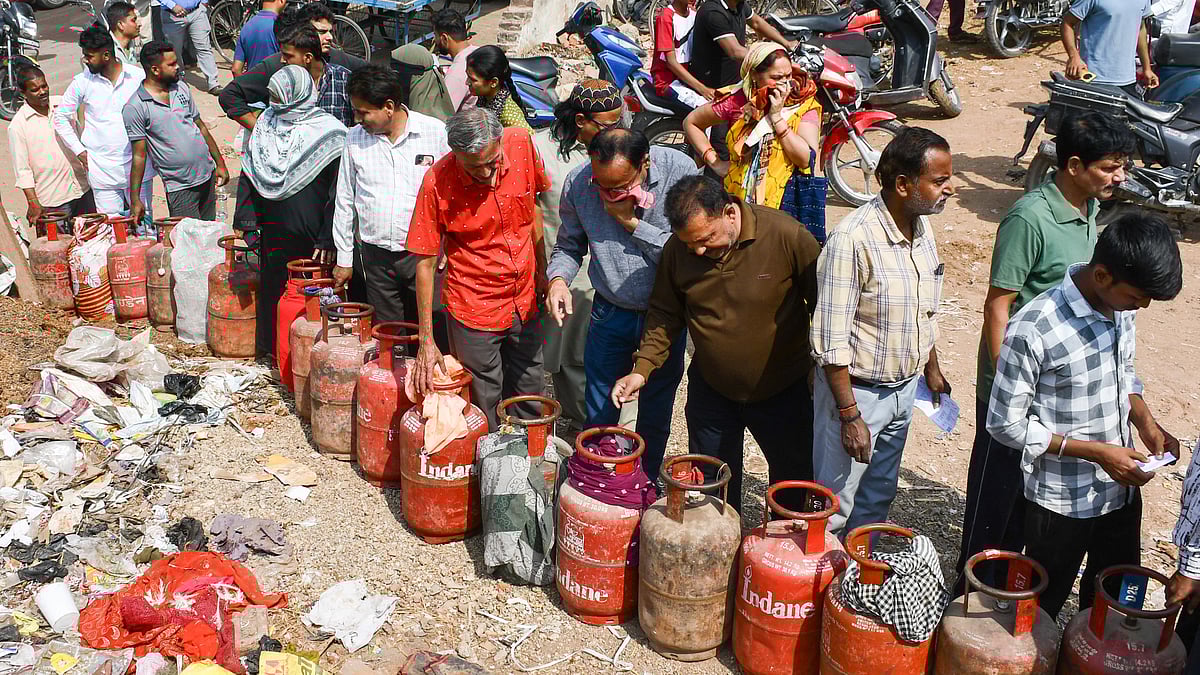
The reaction to the gas shortage has been visible in many sectors. Hotels and restaurants in several cities say they cannot get enough commercial gas cylinders. To cope, some have shortened their working hours or stopped serving dishes that require a lot of fuel, such as fried foods or items that need a high flame. In the informal market, some users are reporting that they have to pay much higher prices to get a cylinder quickly.
One of the most surprising reactions comes from the Himachal Pradesh state assembly. The official caterer for the lawmakers, Hotel Holiday Home, has started using traditional wood-fired stoves called chulhas. Because they could not get enough LPG to feed 700 people during the Budget Session, they built a seven-meter-long wood stove. This allows them to cook four large dishes at once. However, using wood takes much longer. The kitchen staff now has to start working at 7:00 am, adding three extra hours to their daily routine.
Because wood stoves do not provide the same type of heat as gas burners, the menu for the lawmakers had to change. Popular items like Chinese food were removed because they need a steady, high gas flame. Instead, the kitchen is focusing on traditional Indian meals like dal, rice, and vegetables. Interestingly, some staff members noted that the slow-cooked food on the wood fire actually tastes better, though it requires much more physical labor and extra helpers to manage the firewood.
What This Means Going Forward
While the movement of these two ships is a good sign, the problem is not over. Shipping authorities say that vessels are starting to move again, but it will take time for the supply to become stable. There are still other ships waiting for clearance to travel safely. Until the conflict in West Asia settles down, there is a risk that gas supplies will remain tight. This means that households and businesses might continue to see delays in cylinder deliveries for several more weeks.
Final Take
This situation shows how closely connected global events are to the daily lives of people in India. A conflict thousands of miles away can lead to a kitchen in Himachal Pradesh switching back to firewood. While modern technology and global trade usually make life easier, this crisis serves as a reminder of how quickly things can change when energy supply lines are threatened. For now, the focus remains on getting more ships through the Strait of Hormuz safely to prevent further shortages.
Frequently Asked Questions
Why is there a shortage of cooking gas in India?
The shortage is caused by a conflict in West Asia that has made it difficult for ships to travel through the Strait of Hormuz. Since India gets 60 percent of its LPG through this route, any delay in shipping leads to a lack of supply in the country.
How are restaurants and businesses handling the gas crisis?
Many businesses are reducing their menus and removing dishes that require a lot of gas to cook. Some are closing earlier than usual, and others have started using alternative fuels like firewood to keep their kitchens running.
Will the gas supply return to normal soon?
While some ships have started moving again, it will take time for the supply to stabilize. Authorities are working to move stranded ships safely, but the situation depends on the safety of the shipping routes in the Middle East.

