
Summary
West Bengal Chief Minister Mamata Banerjee has criticized the central government for the current shortage of cooking gas and fuel across India. She claims the government did not prepare enough reserves before the conflict in West Asia caused supply problems. This shortage has led to long delays in gas deliveries and a rise in illegal black market sales. As the conflict involving Iran continues to block major shipping routes, India faces a difficult challenge in keeping energy prices stable for its citizens.
Main Impact
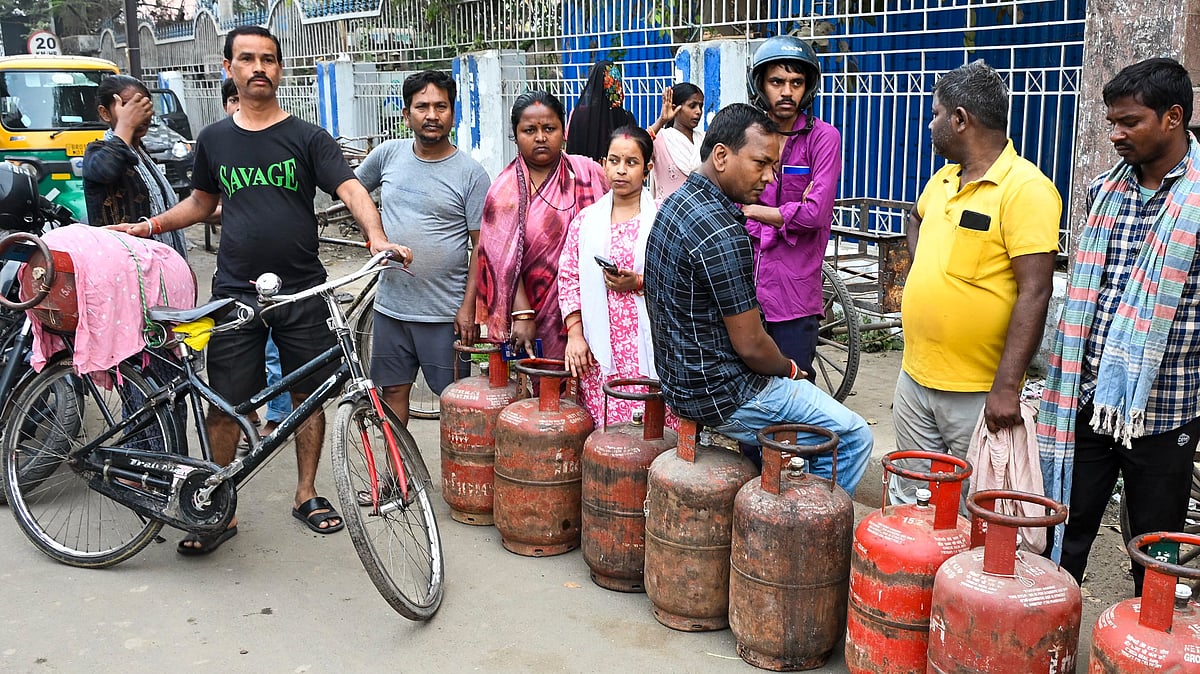
The fuel crisis is hitting regular households and the transport sector very hard. In West Bengal alone, millions of families are waiting much longer than usual for their LPG cylinders. Because the official supply is slow, some people are forced to buy gas from the black market at nearly double the normal price. This situation is not just about cooking gas; the cost of fuel for planes and trucks is also going up, which could soon make food and travel more expensive for everyone.
Key Details
What Happened
The trouble started when fighting broke out in West Asia, involving Iran, Israel, and the United States. This conflict led to a blockade of the Strait of Hormuz, a very narrow and important water path. Many ships carrying gas and oil from countries like Qatar and the UAE must pass through this area to reach India. Since the ships are stuck or delayed, India is not getting the fuel it needs on time.
Important Numbers and Facts
India is in a vulnerable spot because it buys 82 percent of its oil and 50 percent of its LPG from other countries. Currently, the nation only has enough fuel stored in its emergency reserves to last about 10 to 12 days. In Kolkata, while the official price for a gas cylinder is around Rs 800, people are being asked to pay up to Rs 1,500 in the black market. About 25 percent of gas deliveries in West Bengal are currently delayed, affecting over 2.5 crore connections.
Background and Context
India relies heavily on the Middle East for its energy needs. When there is a war or tension in that part of the world, India’s fuel supply is often the first thing to suffer. The current crisis escalated after military strikes on nuclear sites in Iran, which led to Iran closing off key shipping lanes. Even though the government has known about these risks since the start of the year, critics say not enough was done to fill up India's storage tanks before the situation turned into a full-blown crisis.
Public or Industry Reaction
Mamata Banerjee has been very vocal, stating that the central government is more interested in winning elections and managing voter lists than managing the country's resources. She argued that the lack of a clear plan has allowed illegal sellers to profit from the misery of the poor. Other opposition leaders have also raised alarms, blaming international trade deals and a lack of foresight for the empty gas stoves in many Indian kitchens. Meanwhile, the hotel and food industry is struggling to keep their businesses running with limited fuel supplies.
What This Means Going Forward
The government is now trying to find other ways to get oil, such as asking for special permission to buy more from Russia. They are also trying to increase how much gas is produced within India. Prime Minister Narendra Modi has held high-level meetings to discuss energy security, but the immediate future remains uncertain. If the conflict in West Asia does not end soon, the government may have to start rationing fuel even more strictly to ensure that essential services can keep running.
Final Take
This crisis shows how much India depends on global events for its daily needs. While the government is working on emergency imports, the current shortage highlights a major gap in how the country prepares for international conflicts. For the average person, the main concern remains the rising cost of living and the uncertainty of when their next gas cylinder will arrive.
Frequently Asked Questions
Why is there a shortage of LPG in India?
The shortage is mainly caused by a conflict in West Asia that has blocked important shipping routes. India imports a large portion of its gas, and the ships cannot deliver the fuel on time.
How much has the price of gas increased?
While the official price is around Rs 800, the shortage has caused black market prices to jump as high as Rs 1,500 in some cities like Kolkata.
What is the government doing to fix the problem?
The government is looking for new sources of oil, such as Russia, and is holding emergency meetings to manage the remaining fuel reserves and speed up imports through major oil companies.

