
Summary
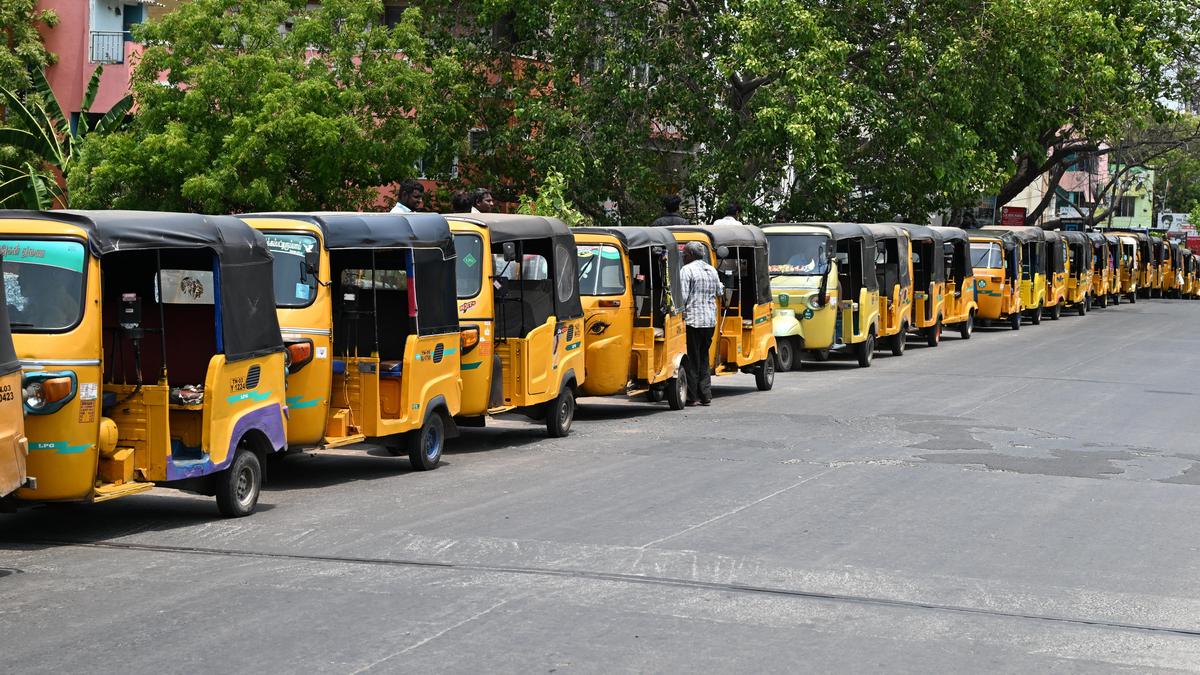
Thousands of LPG autorickshaw drivers are facing a major crisis as fuel stations across the city have run out of gas. For the past few days, drivers have been forced to wait in long lines for several hours just to get a small amount of fuel. This shortage is causing a significant loss of income for drivers and making it very difficult for daily commuters to find transport. The situation highlights a growing problem with the supply and distribution of green fuels in urban areas.
Main Impact
The most immediate impact of this fuel drought is the loss of daily wages for autorickshaw operators. Many drivers report spending five to seven hours in queues, which takes away more than half of their working day. Because they are stuck at fuel stations, they cannot pick up passengers, leading to a sharp drop in their earnings. For the general public, this means fewer rickshaws are available on the road, leading to longer wait times and higher fares on ride-sharing apps.
Key Details
What Happened
The problem began earlier this week when several major fuel outlets reported that their storage tanks were empty. As word spread, drivers rushed to the few stations that still had stock, creating massive traffic jams and long lines that stretched down main roads. Many stations have put up "No Stock" signs, leaving drivers frustrated and confused. Some drivers have traveled across the city in search of fuel, only to find the same situation at every stop.
Important Numbers and Facts
Reports suggest that nearly 60% of the city's LPG dispensing stations are currently dry or operating with very limited stock. On a normal day, an autorickshaw driver might earn between 800 and 1,200 rupees. However, due to the hours spent waiting for fuel, many are taking home less than 400 rupees. In some areas, the line of vehicles waiting for gas has been measured at over one kilometer long. Supply officials have mentioned that a delay in the arrival of transport tankers from the main refineries is the primary cause of the shortage.
Background and Context
Over the last few years, the government has encouraged autorickshaw drivers to switch from petrol or diesel to LPG. This move was intended to reduce air pollution and provide a cheaper fuel option for transport workers. While the switch helped the environment, the infrastructure to supply this fuel has not always kept up with the demand. Many drivers invested their savings or took out loans to buy LPG-powered vehicles, believing it would be a more stable and affordable way to make a living. When the supply chain breaks down, these drivers are left with no way to operate their vehicles, as they cannot simply switch back to another fuel type.
Public or Industry Reaction
Driver unions have expressed deep anger over the situation. They argue that the government and oil companies should have predicted the increase in demand and ensured that enough tankers were available. Some union leaders are calling for a protest if the supply does not return to normal within the next 48 hours. Meanwhile, passengers are also complaining. Many people who rely on autorickshaws to get to work or school have found themselves stranded. Social media has been filled with photos of empty stations and long lines, with many citizens asking for better management of essential services.
What This Means Going Forward
If the shortage continues, it could lead to a temporary increase in transport costs across the city. Drivers who manage to get fuel may charge extra to make up for the time they lost waiting in line. In the long term, this event might make drivers hesitant to switch to other green fuels, like electric power or compressed natural gas, if they feel the supply is not reliable. Authorities need to improve the logistics of fuel delivery and perhaps increase the storage capacity at local outlets to prevent such a crisis from happening again. For now, the focus is on getting tankers to the dry stations as quickly as possible to restore normal service.
Final Take
A city's transport system relies on a steady supply of energy. When that supply fails, the hardest-hit people are the workers who keep the city moving. This LPG shortage is a reminder that moving toward cleaner fuels requires more than just changing engines; it requires a strong and dependable supply chain that can handle the needs of thousands of drivers every day. Without quick action, the trust of the drivers and the convenience of the public will continue to suffer.
Frequently Asked Questions
Why is there a shortage of LPG for autorickshaws?
The shortage is mainly caused by delays in the transport of fuel from refineries to local gas stations. This has left many outlets without enough stock to meet the daily demand.
How are drivers being affected by this fuel crisis?
Drivers are losing several hours of work time every day while waiting in long lines. This has led to a major drop in their daily earnings and makes it difficult for them to pay for their living expenses.
When will the fuel supply return to normal?
Authorities are working to speed up the delivery of gas tankers to the affected stations. While there is no exact time, officials hope that the supply will stabilize within the next few days as more shipments arrive.



