
Summary
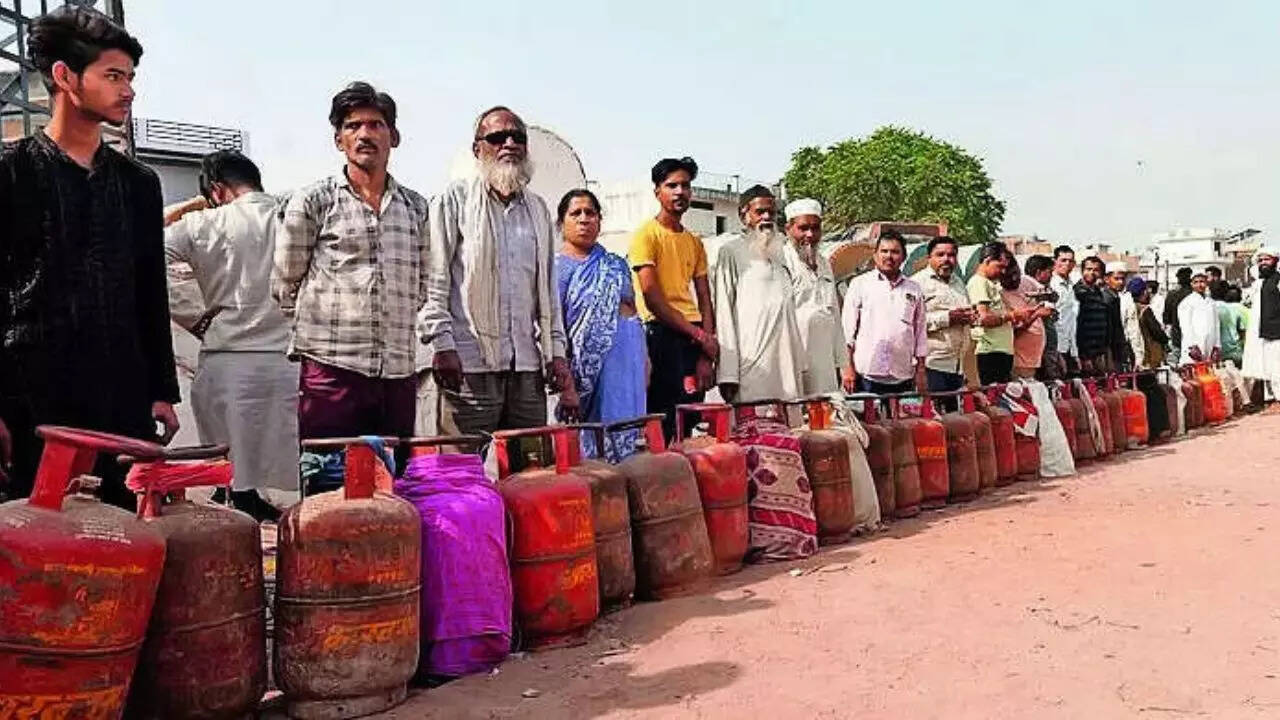
India is currently facing a significant shortage of Liquefied Petroleum Gas (LPG) due to rising tensions in the Middle East. The ongoing conflict involving Iran has led to a major crisis in the Strait of Hormuz, a vital shipping route for energy supplies. Because India relies heavily on imports for its cooking gas, this disruption has caused delays in deliveries and sparked concerns over price stability. State governments across the country are now taking urgent steps to manage the available supply and ensure that households can still access essential fuel for cooking.
Main Impact
The primary impact of this crisis is a sudden break in the energy supply chain. India is one of the world's largest consumers of LPG, and more than half of the country's requirement is met through imports. With the Strait of Hormuz becoming a high-risk zone, many cargo ships are either stranded or taking much longer routes to reach Indian ports. This has resulted in a visible gap between the demand for gas cylinders and the actual supply available at distribution centers. In many regions, the time it takes to receive a refilled cylinder has doubled, causing stress for millions of families.
Key Details
What Happened
The crisis began when military conflict in the Middle East escalated, directly affecting the waters near Iran. The Strait of Hormuz is a narrow passage that connects the Persian Gulf with the Gulf of Oman and the Arabian Sea. It is the most important chokepoint for oil and gas in the world. Due to the threat of attacks, shipping companies have seen a massive rise in insurance costs. Some have stopped sailing through the area entirely. For India, which gets a huge portion of its LPG from countries like Qatar, Saudi Arabia, and the UAE, this has created a bottleneck that is difficult to bypass quickly.
Important Numbers and Facts
To understand the scale of the problem, it is helpful to look at the data. India imports approximately 60% of its total LPG needs. Recent reports show that the waiting period for a gas cylinder in several states has jumped from the usual 48 hours to more than 10 days. Furthermore, nearly 20% of the world's total petroleum liquids pass through the Strait of Hormuz. If this route remains blocked or dangerous for a long period, the global price of gas could rise significantly, putting more pressure on the Indian government to increase subsidies or pass the costs on to consumers.
Background and Context
Cooking gas is not just a commodity in India; it is a basic necessity. Over the last decade, the government has worked hard to move millions of homes away from traditional fuels like wood and coal to cleaner LPG. Programs like the Ujjwala scheme have successfully connected rural households to the gas network. However, this success means that the country is now more dependent on global energy markets than ever before. When a war breaks out thousands of miles away, it directly affects the kitchen of a common person in India. This vulnerability is what the government is currently trying to manage through strategic reserves and diplomatic efforts.
Public or Industry Reaction
The public reaction has been a mix of worry and frustration. In several cities, there have been reports of panic buying, where people try to book extra cylinders fearing a total shutdown of supply. This behavior often makes the shortage worse. On the industry side, Oil Marketing Companies (OMCs) are working overtime to find alternative shipping routes. They are also looking at buying gas from other regions, such as Africa and North America, though these sources are more expensive and take longer to arrive. State governments have also started monitoring local distributors more closely to prevent black marketing and illegal price hikes during this period of scarcity.
What This Means Going Forward
Looking ahead, this crisis serves as a wake-up call for India’s energy policy. The government is likely to speed up the transition to electric cooking, often called "e-cook" initiatives. By using electricity instead of gas, the country can reduce its dependence on imported fuels. Additionally, there will likely be a push to increase domestic gas production and build larger storage facilities. In the short term, the focus remains on diplomatic talks to ensure that energy corridors remain open. If the conflict in the Middle East does not settle soon, the government may have to implement stricter rationing of gas cylinders to ensure everyone gets at least a minimum supply.
Final Take
The LPG shortage highlights how global events can quickly disrupt daily life in India. While the government and state authorities are doing their best to manage the current supply gap, the situation remains fragile. The long-term solution lies in finding more diverse sources of energy and reducing the heavy reliance on a single, volatile shipping route. For now, the priority is to keep the supply moving and prevent the crisis from hurting the most vulnerable sections of society.
Frequently Asked Questions
Why is there a shortage of LPG in India right now?
The shortage is caused by a conflict in the Middle East involving Iran. This has disrupted shipping through the Strait of Hormuz, which is the main route for gas tankers coming to India.
Will the price of gas cylinders go up?
While the government tries to keep prices stable, the cost of importing gas has increased due to higher shipping and insurance fees. This could lead to price changes if the crisis continues for a long time.
What should I do if my gas refill is delayed?
Consumers are advised to book their refills in advance and avoid panic buying. State governments are working with distributors to prioritize households and prevent illegal hoarding of cylinders.



