
Summary
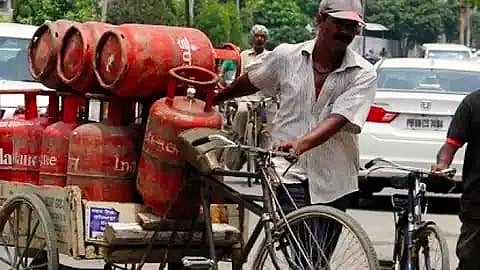
Cooking gas prices in India saw a significant increase on Saturday, March 7, 2026. The cost of a domestic LPG cylinder rose by Rs 60, while commercial cylinders used by businesses went up by approximately Rs 115. These price hikes are a direct result of the ongoing military conflict in West Asia, specifically involving Iran, which has caused global energy costs to spike. This change affects millions of households and thousands of businesses across the country.
Main Impact
The primary impact of this decision is an immediate increase in the cost of living for Indian families and higher operating costs for the hospitality sector. For a typical household, the price of a 14.2-kg cylinder has now crossed the Rs 900 mark in major cities. This move is expected to put pressure on monthly budgets, especially for middle-class families who do not receive direct subsidies. For businesses like restaurants, hotels, and small eateries, the sharp rise in commercial gas prices may lead to higher food prices for customers as owners try to cover their increased expenses.
Key Details
What Happened
On Saturday morning, oil marketing companies, including Indian Oil Corporation (IOC), updated their price lists to reflect the new rates. This is the second major increase for domestic gas in less than a year, following a Rs 50 hike in April 2025. The price of commercial gas has seen even more frequent changes, with a small increase already recorded earlier this month on March 1. The new rates are effective immediately across all states and union territories.
Important Numbers and Facts
The price of a non-subsidised domestic LPG cylinder in Delhi has risen from Rs 853 to Rs 913. In other major cities, the prices are slightly different due to local taxes. In Mumbai, a cylinder now costs Rs 912.50. Residents in Kolkata will pay the most among the metros at Rs 939, while the price in Chennai stands at Rs 928.50.
For commercial users, the 19-kg cylinder price in Delhi jumped by Rs 114.5, bringing the total cost to Rs 1,883. When combined with the Rs 28 increase from March 1, the total rise in commercial gas prices for this year alone has reached Rs 302.5 per cylinder. These figures highlight the rapid pace at which energy costs are climbing due to international tensions.
Background and Context
India relies heavily on imports to meet its energy needs. A large portion of the country's crude oil and natural gas comes from West Asia. When a conflict breaks out in that region, such as the current war involving Iran, it creates uncertainty in the global market. This uncertainty leads to higher prices for raw energy materials. Since Indian fuel companies buy gas at international rates, they must eventually pass these costs on to consumers to avoid heavy financial losses.
LPG, or Liquefied Petroleum Gas, is a vital fuel for cooking in India. Over the last decade, the government has worked to move families away from traditional fuels like wood or coal to cleaner gas. However, this shift makes the population more sensitive to changes in global energy markets. Even though the government tries to control prices, the scale of the current global crisis has made a price hike unavoidable.
Public or Industry Reaction
The reaction from the public has been one of concern, as fuel price hikes often lead to a general increase in the cost of other goods and services. However, the government has maintained a safety net for the most vulnerable. Beneficiaries of the Pradhan Mantri Ujjwala Yojana will continue to receive a subsidy of Rs 300 per cylinder. This scheme covers more than 10 crore poor households, ensuring they can still afford clean cooking fuel despite the market fluctuations.
Industry experts have noted that while the hike is significant, India’s gas prices are still lower than those in many neighboring countries. They argue that the government and oil companies are absorbing some of the global price shocks to prevent even higher domestic rates. Business owners in the food industry, however, have expressed worry that the cumulative rise of over Rs 300 in commercial gas this year will force them to change their menu prices soon.
What This Means Going Forward
The future of gas prices in India depends almost entirely on the situation in West Asia. If the conflict continues or gets worse, there is a high risk that energy prices will stay high or even rise further. This could lead to more price revisions in the coming months. The government will likely monitor the situation closely to see if more subsidies or tax cuts are needed to protect consumers from extreme inflation. For now, households and businesses must prepare for a period of higher energy expenses.
Final Take
The latest jump in LPG prices is a clear reminder of how global events directly affect the daily lives of people in India. While the war in West Asia might seem far away, its impact is felt every time a family orders a new cooking gas cylinder. The government's decision to keep subsidies for the Ujjwala scheme provides some relief, but the broader middle class and the business community will have to find ways to manage these rising costs as the global energy market remains unstable.
Frequently Asked Questions
Why did the price of LPG cylinders increase?
Prices went up because of the military conflict in West Asia, which has caused the cost of energy to rise globally. Since India imports much of its gas, local prices follow these global trends.
How much does a domestic LPG cylinder cost now?
In Delhi, a 14.2-kg domestic cylinder now costs Rs 913. Prices in other cities like Mumbai, Kolkata, and Chennai vary slightly between Rs 912 and Rs 939 due to local taxes.
Will Ujjwala Yojana beneficiaries have to pay the full price?
No, families under the Ujjwala Yojana will continue to receive a subsidy of Rs 300 per cylinder for up to 12 refills a year, which helps lower their total cost.

