
Summary
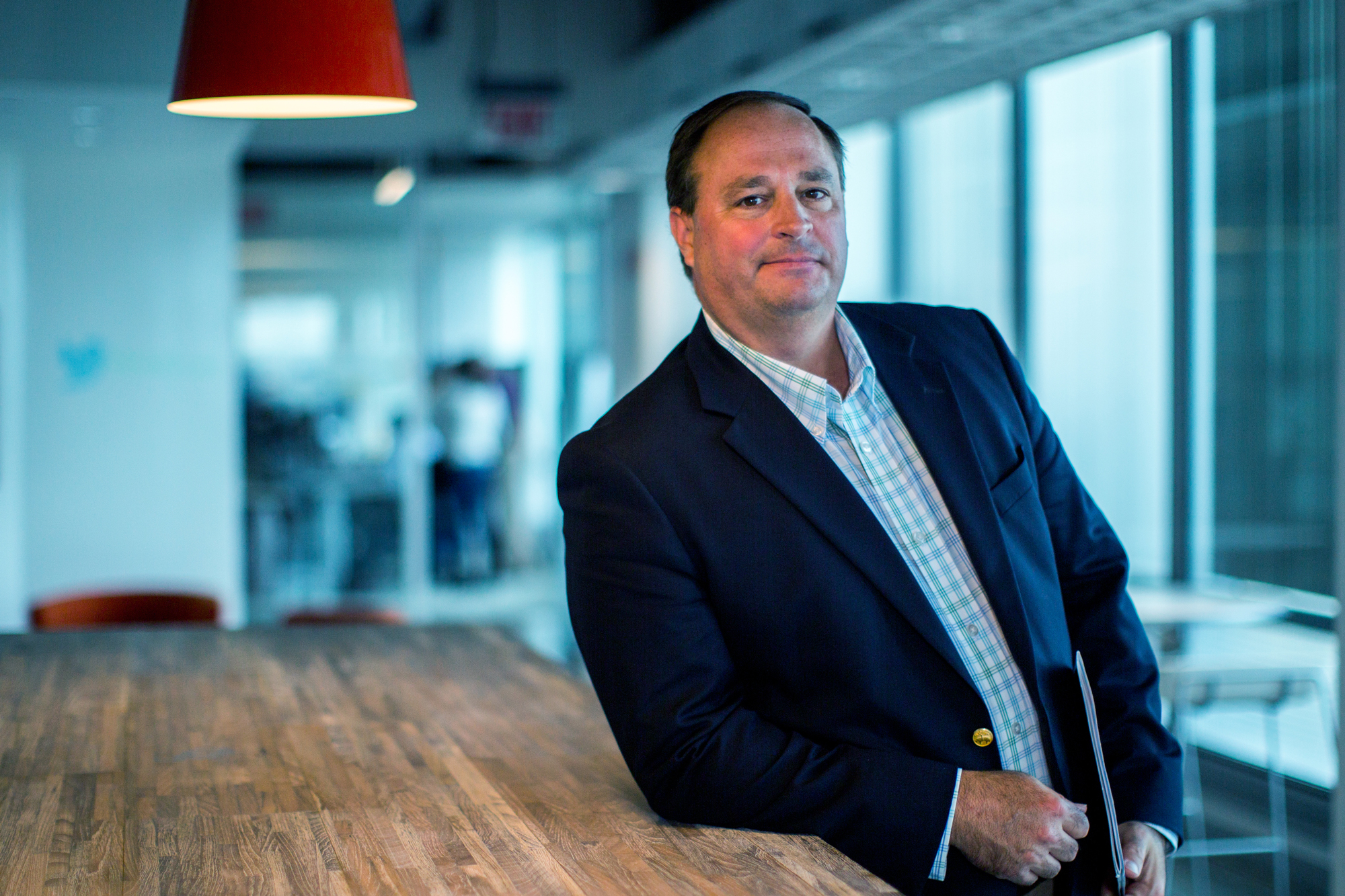
Brooks Tingle, the head of the insurance company John Hancock, is leading a new movement to help people live longer and healthier lives. At a recent event in Boston, he explained that living a long time requires more than just luck or expensive health fads. His company has teamed up with experts from MIT to create a new tool that helps people measure how ready they are for old age. This shift marks a big change for the insurance industry, moving from just paying out money after death to helping people stay active and well for decades.
Main Impact
The biggest change here is how we think about aging in America. For a long time, life insurance was a simple deal: you pay a fee, and your family gets money when you pass away. Now, John Hancock is trying to turn that deal into a partnership. By using data and new technology, they want to help their customers stay healthy so they can enjoy their later years. This is important because the United States is getting older very fast. If people live longer but are not healthy or financially ready, it creates a huge problem for families and the government.
Key Details
What Happened
At the third annual “Longer. Healthier. Better” meeting, Brooks Tingle spoke about the future of aging. He did not talk about "magic potions" or strange health trends. Instead, he focused on common sense and planning. He introduced the Longevity Preparedness Index, which was made with Joe Coughlin from the MIT AgeLab. This index is a quiz that looks at eight different parts of a person's life to see if they are ready to live to 100. The goal is to move away from a one-time business deal and toward a lifelong relationship between the company and the customer.
Important Numbers and Facts
The data shows that America is changing quickly. The middle age for people in the U.S. is now nearly 40 years old. By the year 2050, about one out of every four Americans will be over the age of 65. Currently, about one-third of the population is over 50. When 1,300 adults took the new preparedness quiz, the average score was only 60 out of 100. This shows that most people are not ready for the challenges of getting older. Specifically, many people have no plan for long-term care, even though 70% of people will likely need it at some point.
Background and Context
John Hancock is a very old company, started back in 1864 during the Civil War. For over 160 years, they have sold life insurance in a traditional way. However, the world is different now. People are living much longer than they used to. In the past, retirement only lasted a few years. Today, someone retiring at 65 might live another 30 years. This "second act" of life is a gift, but it requires a lot of planning. Many people are worried about running out of money or becoming lonely. At the same time, the "biohacking" industry—where people spend a lot of money on high-tech health tricks—is growing into a $69 billion business. Tingle wants to offer a more grounded path that focuses on daily habits and smart planning.
Public or Industry Reaction
Experts in the field of aging are paying close attention to this new approach. Joe Coughlin from MIT points out that you cannot always control how your body ages, but you can prepare for it. He uses a special suit called AGNES to show young people what it feels like to have a stiff, old body. This helps people understand why they need a home that is easy to move around in and a strong circle of friends. Industry leaders are also looking at how John Hancock is working with tech companies like Oura and Prenuvo. These partnerships give customers tools to track their heart health and sleep, which helps them stay on top of their medical needs before problems get too big.
What This Means Going Forward
In the future, we can expect more insurance companies to act like health coaches. They will likely offer more rewards for customers who exercise, eat well, and go to the doctor. The focus will shift from "how long will you live" to "how long will you live well." For the average person, this means they need to look at more than just their bank account. They need to think about who will drive them to appointments, where they will live, and how they will stay connected to their community. The risk of doing nothing is high, as the cost of care continues to rise and the number of young workers available to help is shrinking.
Final Take
Living to 100 is becoming a real possibility for millions of people. While science works on ways to extend life, the most important work happens at home through simple planning and healthy choices. Brooks Tingle and John Hancock are proving that even a company born in the 1800s can change its ways to meet the needs of a modern, aging world. Being prepared is the best way to make sure those extra years of life are actually worth living.
Frequently Asked Questions
What is the Longevity Preparedness Index?
It is a tool created by John Hancock and MIT that measures how ready you are for old age. It looks at eight areas, including health, money, social ties, and housing.
Why is the insurance industry changing its focus?
As people live longer, insurance companies want to help them stay healthy. This reduces costs for the company and helps customers enjoy a better quality of life for more years.
What are the biggest mistakes people make when planning for old age?
According to the research, most people fail to plan for long-term care. They also often forget to think about social connections and whether their home will be safe to live in as they get older.



