
Summary
The Lok Sabha has officially ended the suspension of eight members of the Opposition. This decision was made on Tuesday following a joint agreement between the government and various political parties. The move allows these representatives to return to their legislative duties immediately, ending a period of tension within the House. This change comes after leaders promised to follow the rules and maintain order during parliamentary meetings.
Main Impact
The return of these eight members is expected to help the Lok Sabha function more smoothly. For several weeks, the absence of these vocal Opposition members had created a gap in the debates. By revoking the suspension, the House has shown a willingness to move past recent conflicts. This development suggests that both the ruling party and the Opposition are trying to find common ground to ensure that important government business can be completed without constant interruptions.
Key Details
What Happened
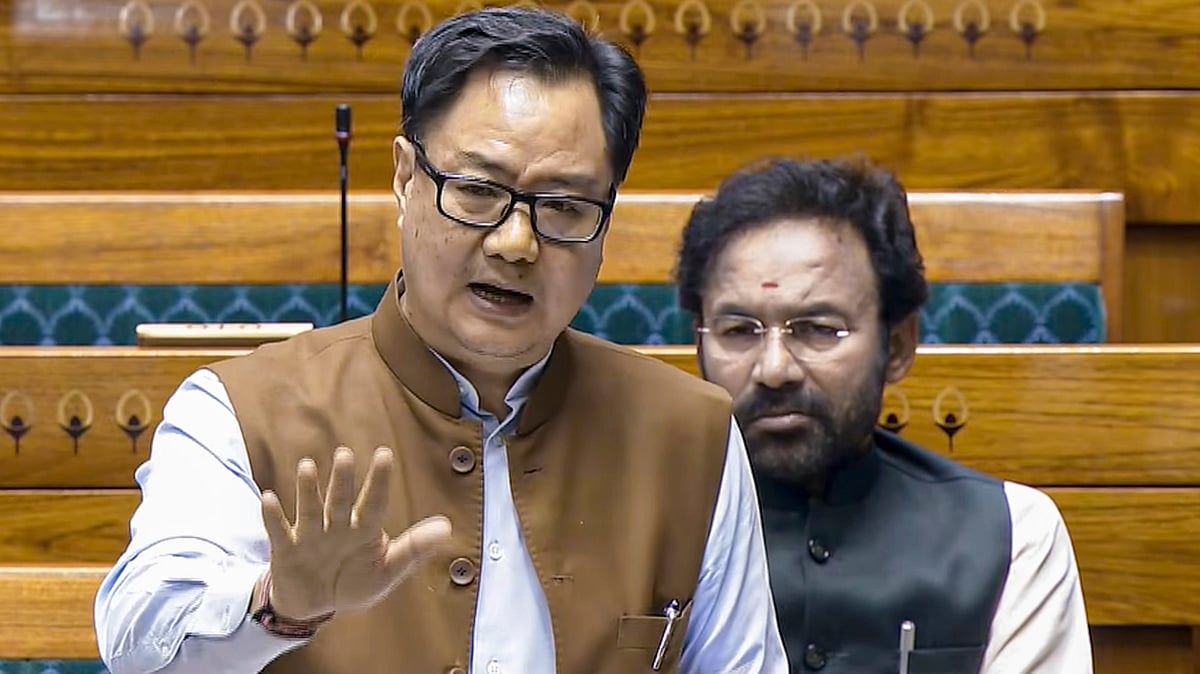
The process began when Parliamentary Affairs Minister Kiren Rijiju introduced a formal proposal to end the suspension. This proposal was accepted by everyone in the House without any disagreement. The decision was reached after the Congress party’s Chief Whip, K. Suresh, expressed regret for the actions that led to the suspension. He described the past behavior of the members as an "inadvertent indiscretion," which basically means it was a mistake that was not fully intended to cause harm.
Important Numbers and Facts
The eight members who are now allowed back into the House include seven representatives from the Congress party and one from the CPI (M). The names of the Congress members are Manickam Tagore, Amrinder Singh Raja Warring, Gurjeet Singh Aujla, Hibi Eden, Dean Kuriakose, Prashant Padole, and Kiran Kumar Reddy. The member from the CPI (M) is S. Venkatesan. These individuals had been away from the House since February 3, when they were originally suspended for the rest of the Budget Session due to what was described as unruly behavior.
Background and Context
In the Indian Parliament, the Speaker has the power to suspend members if they break the rules or stop the House from doing its work. This usually happens when members shout, carry signs, or refuse to sit down during a debate. The eight members in this case were suspended during the Budget Session, which is one of the most important times of the year for the government. During this session, the government decides how it will spend money and introduces new financial laws. When members are suspended, they cannot participate in these vital discussions or vote on new rules.
The conflict that led to the suspension involved heated arguments and protests. The government felt that the Opposition was blocking progress, while the Opposition felt they were not being heard. This cycle of suspension and protest is common in politics, but it often slows down the work that helps the public.
Public or Industry Reaction
The reaction within the House was mostly positive, as leaders from different parties supported the move. Dharmendra Yadav from the Samajwadi Party and Supriya Sule from the NCP (SCP) both spoke in favor of bringing the members back. They believe that a full House is necessary for a healthy democracy. Lok Sabha Speaker Om Birla also shared his thoughts, noting that all party leaders met recently to discuss how to behave better in the future. He reminded everyone that the dignity of the House must be protected at all costs.
Union Minister Rajiv Ranjan Singh, also known as Lalan Singh, added that following traditions is the only way to make sure the House works for the people. The government has stated that it is ready to talk to the Opposition about any issue, as long as the discussions are handled with responsibility and respect.
What This Means Going Forward
Going forward, the Speaker has set new expectations for how members should act. He specifically asked that members stop using placards or banners to protest inside the building. Interestingly, he also mentioned that members should not use AI-generated videos or images to make points or attack others within the Parliament complex. This shows that the House is trying to update its rules to deal with new technology.
The success of this move depends on whether the Opposition keeps its promise to cooperate. If the members return and continue to protest in the same way, the cycle of suspensions could start again. However, if both sides stick to their agreement, the remaining days of the session could be much more productive. The government wants to pass several bills, and having the Opposition present means those bills will face proper scrutiny and debate.
Final Take
The decision to bring back the suspended members is a positive step for the Lok Sabha. It shows that even when political parties disagree strongly, they can still find a way to work together for the sake of the institution. For the public, this means their elected officials are back in their seats, ready to discuss the laws that affect everyone's lives. The focus now shifts to whether this spirit of cooperation will last through the rest of the session.
Frequently Asked Questions
Why were the eight MPs suspended in the first place?
The members were suspended on February 3 for the rest of the Budget Session because of unruly behavior and for disrupting the proceedings of the House.
Who moved the motion to bring the members back?
Parliamentary Affairs Minister Kiren Rijiju moved the motion after the Congress party expressed regret for the actions of its members.
What new rules did the Speaker mention?
Speaker Om Birla told members not to use placards, banners, or AI-generated media like videos and images within the Parliament House complex to maintain the dignity of the House.

