
Summary
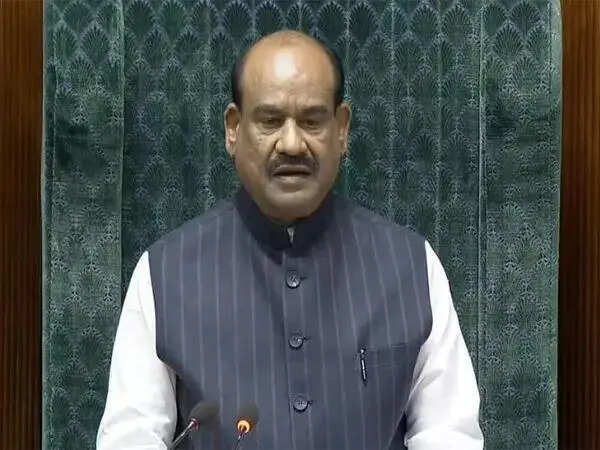
The Lok Sabha, which is the lower house of India's Parliament, has officially finished its current session. Speaker Om Birla announced that the house has been adjourned sine die, which means it has ended its meetings without setting a specific date to return. During this period, the Lok Sabha achieved a high productivity rate of 93 percent. This marks a significant moment as the 17th Lok Sabha completes its final working days before the upcoming national elections.
Main Impact
The high productivity rate of 93 percent shows that the members of Parliament were able to complete most of the work they had planned. This efficiency is important because it means many new laws and policies were discussed and decided upon. When Parliament works effectively, it helps the government address the needs of the people more quickly. The successful completion of this session also allows lawmakers to return to their home regions to prepare for the next general election, knowing that their legislative duties for this term are largely finished.
Key Details
What Happened
Speaker Om Birla led the final proceedings of the Lok Sabha. He shared a report on how much work the house had done over the past few years. The session ended with the playing of the national song, "Vande Mataram," which is a traditional way to close the meetings. The Speaker thanked the Prime Minister, ministers, and all members of the house for their help in making the sessions successful. He noted that even when there were disagreements, the house managed to stay focused on its main goals.
Important Numbers and Facts
The 17th Lok Sabha, which began its journey in 2019, held a total of 15 sessions over five years. During this time, the members sat for 273 sittings. The Speaker highlighted that 222 bills were passed during this term. Some of these laws were very important and had been discussed for a long time. The 93 percent productivity figure is a measure of how much time the members spent working compared to the time that was originally scheduled. This high number suggests that there were fewer disruptions than in some previous years.
Background and Context
To understand why this matters, it helps to know what "sine die" and "productivity" mean in this setting. "Sine die" is a Latin phrase used in government to say that a meeting is over and no one knows exactly when the next one will be. This usually happens at the end of a big term. Productivity refers to the amount of work done, such as passing laws or debating important issues. The 17th Lok Sabha was also special because it saw the move from the old Parliament building to a brand-new, modern building. This move was a major event in the history of the country's government.
Public or Industry Reaction
Many political leaders have shared their thoughts on the end of this session. Prime Minister Narendra Modi praised the work of the Lok Sabha, calling the last five years a time of big changes and reforms. He mentioned that the house took brave steps that will help the country for a long time. On the other hand, some members of the opposition parties pointed out that they would have liked more time to discuss certain issues. However, the general feeling among experts is that the 17th Lok Sabha was more active and productive than many people expected it to be.
What This Means Going Forward
Now that the Lok Sabha has adjourned, the focus shifts entirely to the upcoming general elections. The work done in Parliament over the last five years will be a major topic during the election campaigns. Candidates will talk about the laws they passed and the decisions they made. For the citizens, this is a time to look at the record of their representatives. The high productivity rate will likely be used as an example of good governance by the current leaders. Once the elections are over, a new group of representatives will form the 18th Lok Sabha and start the process all over again.
Final Take
The conclusion of the 17th Lok Sabha with a 93 percent productivity rate is a strong finish for the current group of lawmakers. It shows that despite political differences, the legislative process can still move forward effectively. As the country moves toward the next election cycle, the laws passed during this term will serve as the foundation for the nation's future growth and legal structure. The transition to a new Parliament building during this term also symbolizes a new era for the country's democracy.
Frequently Asked Questions
What does "adjourned sine die" mean?
It means that the Parliament session has ended without a specific date being set for the next meeting. This usually happens at the end of a full term or a major session.
Why is 93% productivity important?
It shows that the members of Parliament spent almost all of their scheduled time doing actual work, like debating and passing laws, rather than being delayed by protests or other interruptions.
What happens after the Lok Sabha is adjourned?
After the final session before an election, the members usually go back to their local areas. The country then prepares for general elections to choose new members for the next Lok Sabha.



