
Summary
A major government bill that tried to link women's reservation to a large-scale expansion of parliamentary seats has been defeated in the Lok Sabha. The proposal aimed to change how many representatives sit in the house while also setting aside seats for women. However, opposition parties blocked the move, claiming it was an attempt to change electoral boundaries through a "backdoor" method. This event marks a significant moment in the struggle over how India balances regional power and gender representation.
Main Impact
The rejection of this bill means that the plan to increase the number of seats in Parliament is currently on hold. It also delays the implementation of women's reservation, as the government had tied the two issues together. This defeat prevents an immediate shift in political power between different parts of the country. For now, the current number of seats in the Lok Sabha will remain the same, and the government must find a new way to address the demand for more female leaders in politics.
Key Details
What Happened
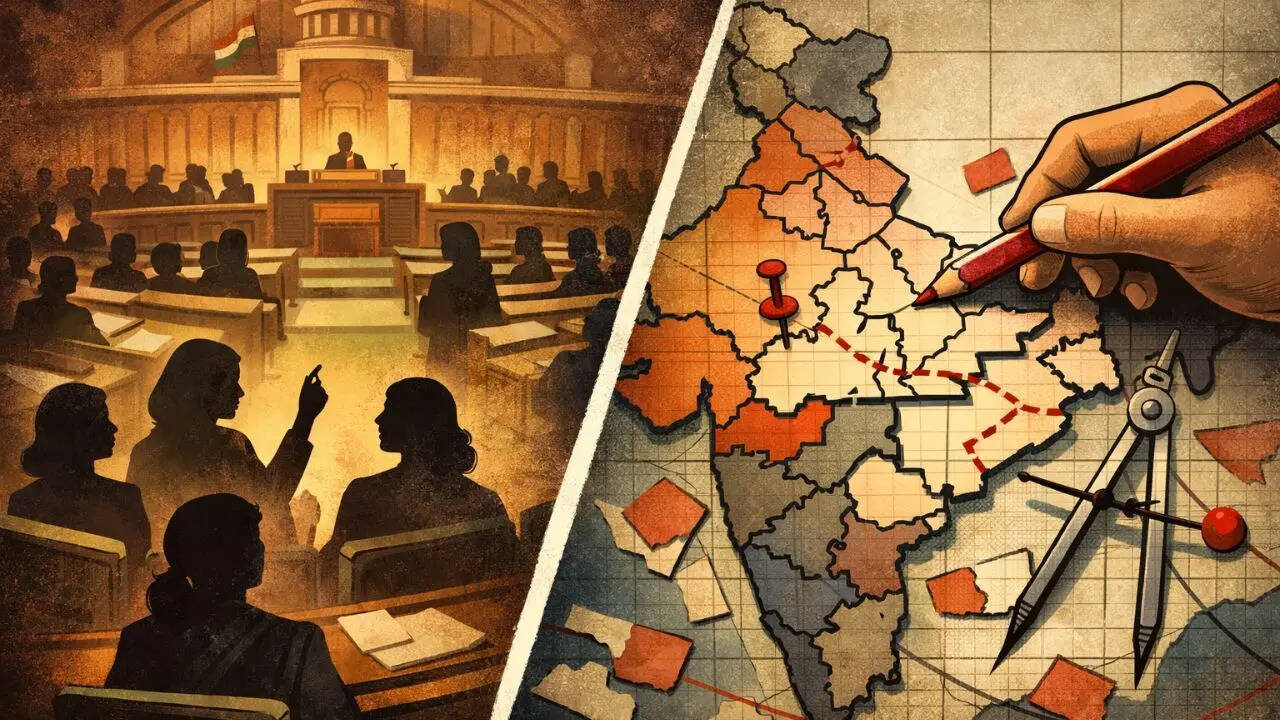
The government introduced a bill that had two main goals. First, it wanted to reserve one-third of all seats in the Lok Sabha and state assemblies for women. Second, it stated that this reservation would only happen after a process called delimitation. Delimitation is the act of redrawing the borders of voting areas and increasing the total number of seats based on the latest population data. The opposition argued that the government was using the popular idea of women's reservation to force through a controversial change in seat numbers without enough debate.
Important Numbers and Facts
The number of seats in the Lok Sabha has been frozen at 543 for several decades to prevent states with high population growth from gaining too much power. If a new delimitation happens based on current population figures, the total number of seats could rise to over 800. The bill required a significant majority to pass, but it failed to get the necessary support during the vote. This is one of the few times a major government initiative regarding electoral reform has been stopped so directly in the house.
Background and Context
To understand why this bill was so controversial, it is important to look at how India is divided. The population in northern states has grown much faster than in southern states. Because the number of seats in Parliament is based on population, a new count would give northern states many more representatives. Southern states have expressed concern that they will be punished for successfully managing their population growth. They fear that their voice in national politics will become weaker if the seat numbers are changed strictly by the numbers. This is why the topic of redrawing boundaries is one of the most sensitive issues in Indian politics today.
Public or Industry Reaction
The reaction to the bill's defeat has been split along political lines. Opposition leaders called the result a victory for the country's federal structure. They argued that women's reservation should be implemented immediately and should not be tied to the complicated process of redrawing districts. On the other hand, supporters of the government argued that the bill was a logical way to modernize the voting system. Political experts suggest that while almost everyone agrees that women need more representation, the method of linking it to seat expansion created too much distrust among different regional parties.
What This Means Going Forward
The government now faces a difficult choice. They can try to bring back a simpler version of the bill that only focuses on women's reservation, or they can wait and try to build a stronger agreement on seat expansion later. The legal freeze on changing the number of seats is set to expire in 2026. This means the conversation about delimitation cannot be avoided for much longer. Future discussions will likely require more input from state governments to ensure that no region feels left behind or ignored in the national capital.
Final Take
The failure of this bill shows that major changes to India's political map require more than just a simple majority; they require trust between the center and the states. While the goal of increasing women's participation in lawmaking is vital, the path to achieving it remains blocked by deeper worries about regional fairness. The debate over how to represent a growing and changing population is far from over, and the next few years will be critical in deciding how India's democracy functions.
Frequently Asked Questions
What is delimitation in simple terms?
Delimitation is the process of redrawing the boundaries of Lok Sabha and state assembly seats so that each seat represents a similar number of people. It usually happens after a new census is taken.
Why did the opposition vote against the bill?
The opposition felt the government was using women's reservation as an excuse to change the number of seats in Parliament. They believe these two issues should be handled separately to ensure fairness to all states.
When will the number of seats in Parliament change?
The current freeze on the number of seats lasts until 2026. Any changes to the number of representatives can only happen after that date and after a new official population count is completed.



