Summary
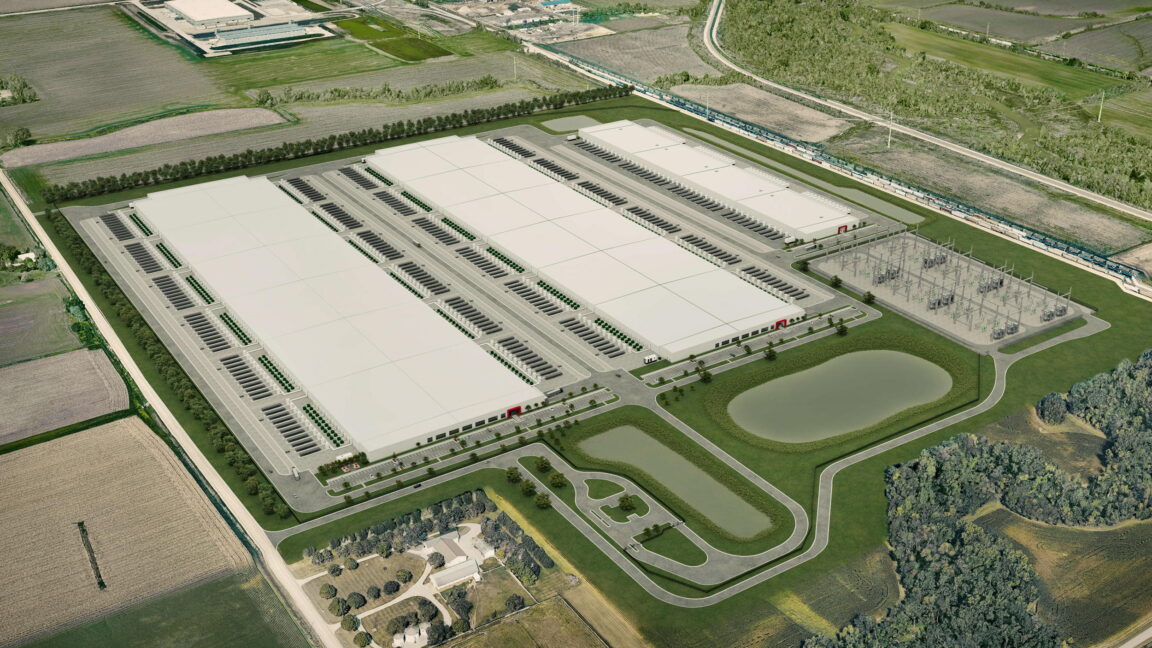
Linn County officials in Iowa have officially passed a set of strict new zoning rules designed to control the development of data centers. These massive facilities, which house thousands of computer servers, have become a major topic of debate in small towns like Palo. While the new laws aim to protect the local environment and limit noise, many residents remain deeply concerned. They worry that these industrial giants will forever change the quiet, rural character of their community and put a strain on local resources.
Main Impact
The decision by the Linn County Board of Supervisors marks a significant shift in how local governments handle big tech projects. By setting firm limits on noise, water usage, and building height, the county is trying to find a middle ground between economic growth and community preservation. The main impact of these rules is that any tech company wanting to build in the area must now meet much higher standards than before. This includes providing detailed plans on how they will manage waste and keep the sound of cooling fans from disturbing neighbors.
Key Details
What Happened
For months, the people of Palo and surrounding areas have attended meetings to voice their fears about data center expansion. Palo is a small town where life moves slowly, centered around a few local businesses on First Street. The town is bordered by the Cedar River on one side and vast cornfields on the other. When a proposal for a large data center project surfaced, the community pushed for better protection. In response, the county created a new zoning category specifically for these facilities, adding layers of oversight that did not exist previously.
Important Numbers and Facts
The history of the land plays a big role in the current anxiety. In 2008, the Cedar River experienced a historic flood that saw water levels rise to 31 feet. This was 10 feet higher than any previous record, destroying many homes and businesses. Because of this history, residents are very sensitive to any new construction that might affect how water moves through the ground. Additionally, data centers are known to use millions of gallons of water every day to keep their equipment cool, which raises questions about the long-term health of the local water table.
Background and Context
Iowa has become a popular spot for data centers over the last decade. Tech giants are drawn to the state because it offers flat land, tax breaks, and access to wind energy. For a county, a data center can mean millions of dollars in new tax money without adding many children to the school system or cars to the road. However, for the people living next door, these buildings are often seen as giant gray boxes that offer very few jobs once construction is finished. In Palo, the contrast between the high-tech industry and the traditional farming way of life is very sharp.
Public or Industry Reaction
The reaction from the public has been a mix of relief and lingering doubt. Some residents feel that the new zoning rules are a good first step and show that the county is listening. They appreciate the requirements for "buffer zones," which use trees and hills to hide the buildings from view. On the other hand, many neighbors feel that no amount of zoning can fix the core problem. They argue that industrial zones do not belong next to cornfields and quiet homes. There is also a fear that once the first data center is built, many more will follow, turning the area into a tech hub rather than a farming community.
What This Means Going Forward
As these rules take effect, other counties in Iowa and across the Midwest will likely watch Linn County to see if the plan works. If tech companies agree to the strict rules and continue to build, it could provide a roadmap for other small towns facing similar pressure. However, if the rules are too tough, companies might move their projects to nearby counties with fewer restrictions. For the people of Palo, the next few years will be a period of waiting to see if the new laws actually protect their peace and quiet or if the "hum" of the digital age is inevitable.
Final Take
The situation in Linn County highlights the difficult choices small towns face in the modern era. While the promise of tax revenue is tempting for local governments, the physical and social cost of hosting massive data centers is high. Strict zoning is a tool to manage that cost, but it cannot erase the concerns of a community that has already survived natural disasters and wants to keep its rural identity. The balance between progress and preservation remains a delicate one.
Frequently Asked Questions
What are the new zoning rules for?
The rules are specifically for data centers. They set limits on how much noise the buildings can make, how much water they can use, and how they must be hidden from public view using landscaping.
Why are residents in Palo worried?
Residents worry about the constant noise from cooling fans, the massive amount of water these facilities consume, and the potential for large industrial buildings to change the rural feel of their town.
How does the 2008 flood affect this situation?
The 2008 flood was a major disaster for the area. Because of that experience, residents are very concerned about any large-scale construction that could change the land or affect the local water system.