Summary
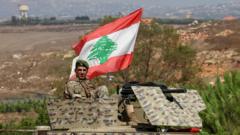
The Lebanese army has announced it is deploying troops in a "pilot zone" following the withdrawal of Israeli forces from a small area of southern Lebanon. This move is part of a US-brokered agreement aimed at reducing tensions between Israel and Hezbollah. The deployment marks a key step in restoring Lebanese government control over territory that had been occupied during recent conflict.
Main Impact
The deployment of Lebanese troops into the pilot zone signals a significant shift in the security situation along the Israel-Lebanon border. For the first time in months, Lebanese state forces are moving into an area previously held by Israeli troops. This could help calm the region and reduce the risk of further fighting between Israel and Hezbollah. The US-brokered deal aims to create a buffer zone that keeps both sides apart and allows civilians to return to their homes.
Key Details
What Happened
The Lebanese army confirmed that its soldiers began moving into a designated pilot zone on Monday. This area is a small section of southern Lebanon that Israeli forces had occupied during their military campaign against Hezbollah. The withdrawal and deployment are part of a ceasefire agreement negotiated by the United States. The deal is meant to end direct clashes between Israeli troops and Hezbollah fighters, which have caused heavy damage and displacement on both sides of the border.
Important Numbers and Facts
The pilot zone covers a limited area, though exact dimensions have not been publicly disclosed. The deployment involves several hundred Lebanese soldiers, according to military sources. The US-brokered agreement was signed earlier this month and includes provisions for monitoring by UN peacekeepers. The withdrawal is the first phase of a broader plan that could see Israeli forces leave other occupied areas in southern Lebanon over time.
Background and Context
The conflict between Israel and Hezbollah escalated last year after months of cross-border attacks. Israeli forces entered southern Lebanon to push back Hezbollah fighters who had been launching rockets into northern Israel. The fighting caused widespread destruction in Lebanese border villages and forced tens of thousands of people to flee their homes. The US stepped in to mediate a ceasefire after both sides suffered heavy losses. The agreement aims to restore the pre-war status quo, where the Lebanese army and UN peacekeepers are responsible for security in the south, not Hezbollah.
Public or Industry Reaction
Residents of southern Lebanon have welcomed the army deployment but remain cautious. Many are eager to return to their homes but fear the fighting could resume. "We want to go back, but we need to know it is safe," said one displaced villager. Hezbollah has not officially commented on the deployment but has signaled it will not challenge the Lebanese army's presence. The Israeli government has stated it will monitor the situation closely and reserves the right to respond if Hezbollah violates the ceasefire.
What This Means Going Forward
The success of this pilot zone deployment will determine whether the broader ceasefire holds. If the Lebanese army can maintain control and prevent Hezbollah from operating in the area, it could lead to a full Israeli withdrawal. However, risks remain. Hezbollah still has fighters and weapons in southern Lebanon, and any incident could spark new violence. The UN peacekeeping force, UNIFIL, will play a key role in monitoring the zone and reporting violations. For now, the deployment is a positive step, but lasting peace will require both sides to stick to the agreement.
Final Take
The Lebanese army's move into the pilot zone is a small but important victory for diplomacy. It shows that a US-brokered deal can work when both sides are willing to step back. But the real test will come in the weeks ahead, as displaced families try to return and the region tries to rebuild. Without trust and continued international support, the ceasefire could easily collapse.
Frequently Asked Questions
What is the pilot zone in southern Lebanon?
The pilot zone is a small area of southern Lebanon from which Israeli troops have withdrawn. The Lebanese army is now deploying there to maintain security and prevent Hezbollah from moving back in. It is part of a US-brokered ceasefire agreement.
Why did Israeli troops occupy parts of southern Lebanon?
Israeli forces entered southern Lebanon during their conflict with Hezbollah to stop rocket attacks on northern Israel. The occupation was meant to push Hezbollah fighters away from the border.
What role does the US play in this agreement?
The United States helped negotiate the ceasefire between Israel and Hezbollah. The US is also providing monitoring support and working with the UN to ensure both sides follow the terms of the deal.