
Summary
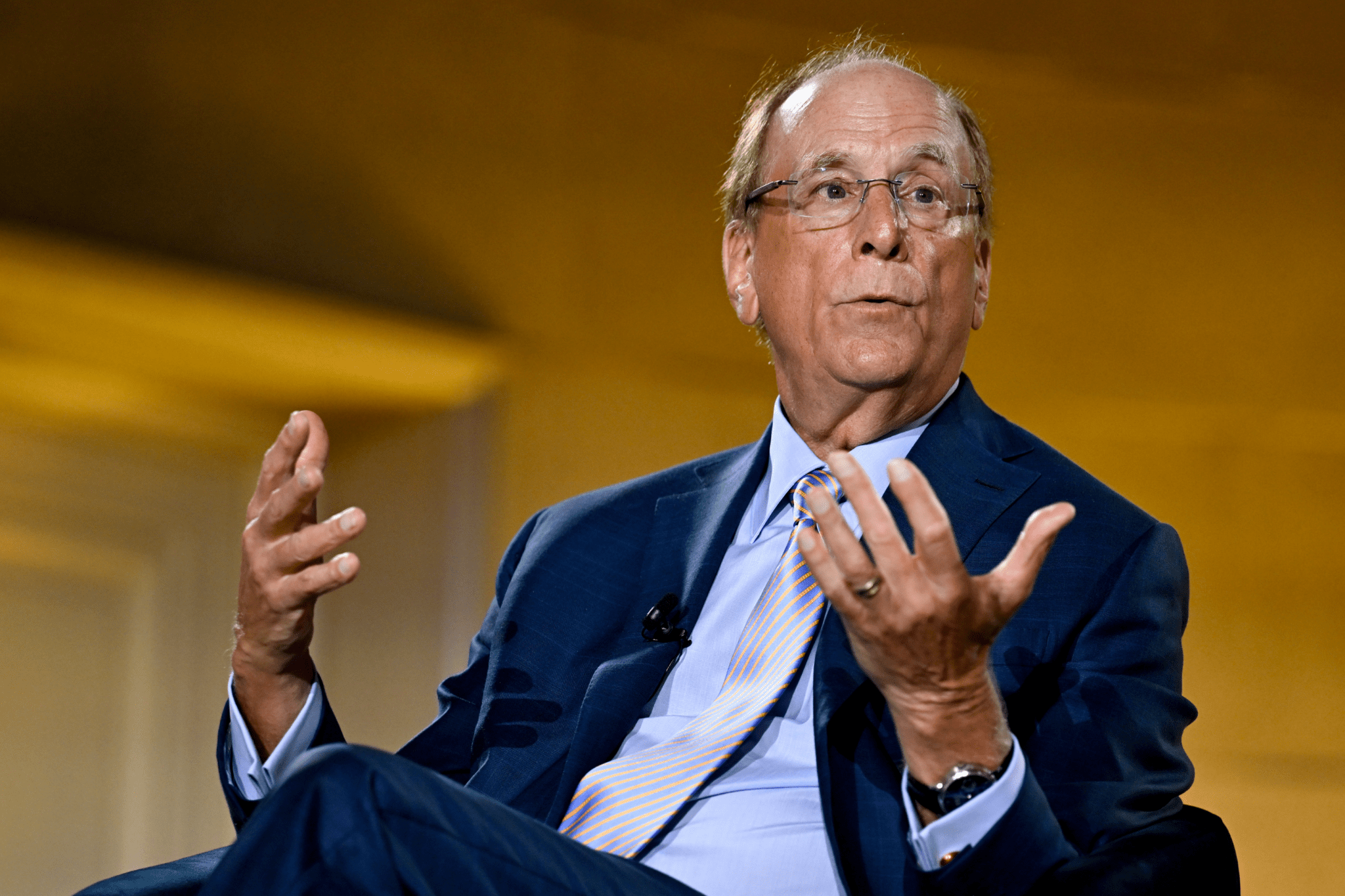
Larry Fink, the head of the world’s largest investment firm, BlackRock, has issued a serious warning for young workers. He believes the college class of 2026 is entering a job market that is being rapidly changed by artificial intelligence (AI). This shift could lead to the highest unemployment rates for new graduates in many years, even if the economy does not go into a recession. Fink suggests that the traditional path of getting a four-year degree to secure a stable office job is no longer a sure thing.
Main Impact
The biggest impact of this change is the disappearance of entry-level office roles. For decades, young people graduated from college and took "white-collar" jobs to start their careers. Now, AI technology is beginning to handle the tasks usually given to these new hires. This creates a "crisis" because society and the education system are not changing as fast as the technology. As a result, many young people may find themselves with expensive degrees but no clear way to enter the workforce.
Key Details
What Happened
During a recent business summit, Larry Fink explained that the "pathway to a white-collar job" is being broken. He noted that while technology is moving forward at high speed, the way we train and hire people is stuck in the past. He expressed deep concern that this year’s graduates will struggle to find work because the roles they trained for are being automated or removed entirely.
Important Numbers and Facts
- The unemployment rate for college graduates between the ages of 22 and 27 is currently 5.6%. This is the highest it has been since 2013, not counting the unusual spike during the pandemic.
- Job postings on Handshake, a popular site for students, dropped by more than 16% over the last year.
- At the same time, the number of people applying for each available job has gone up by 26%, making the competition much harder.
- BlackRock is so concerned about this shift that it is investing $100 million into programs that train people for hands-on technical jobs.
Background and Context
Since the end of World War II, the standard advice for success has been to go to a four-year college. This was seen as the only way to get a good job in an office. However, the rise of AI is changing what companies need. While computers can now write reports or analyze data, they cannot fix a power grid or build a data center. This has created a strange situation where office jobs are shrinking, but hands-on technical jobs are growing faster than we can fill them.
Fink himself followed the traditional path, getting a degree in political science and then an MBA. But he admits that this path is not the right choice for everyone anymore. He believes that finding a "purpose" is more important than just getting a degree that might not lead to a job.
Public or Industry Reaction
Not every leader is as worried as Fink. Some CEOs believe that AI will create more opportunities than it destroys. For example, Lisa Su, the head of the chip-making company AMD, told students that AI will expand what is possible and help them innovate. Similarly, the CEO of Bank of America, Brian Moynihan, acknowledged that young people are scared but encouraged them to use that energy to master the new technology.
However, many employers agree that the current job market is tough. A recent survey showed that more than half of employers think the outlook for 2026 graduates is poor or just "fair." This is the most negative outlook seen since the start of the 2020 pandemic.
What This Means Going Forward
The future of work seems to be shifting toward "skilled trades." These are jobs that require specific technical training but not necessarily a four-year university degree. Because AI requires massive amounts of physical equipment—like data centers and power systems—there is a huge demand for electricians, plumbers, and HVAC technicians. These roles often pay very well and cannot be replaced by a computer program.
BlackRock’s $100 million investment aims to train 50,000 workers in these fields over the next five years. This suggests that big investors see more value in practical skills than in traditional office roles for the near future. For Gen Z, the message is clear: being flexible and learning how to build or fix things might be safer than relying on a standard office career.
Final Take
The Class of 2026 is entering a world where the old rules of success are being rewritten. While a college degree still has value, it is no longer a guaranteed ticket to a career. The rise of AI is forcing a major change in how we think about work. To succeed, the next generation will need to look beyond the office and consider technical roles that keep the modern world running. The "crisis" Fink mentions is real, but it also opens a new door for those willing to learn different skills.
Frequently Asked Questions
Why is the Class of 2026 facing high unemployment?
AI is taking over many entry-level tasks that new graduates usually perform. This has reduced the number of available office jobs while the number of people applying for them has increased.
What are "skilled trades" and why are they growing?
Skilled trades are jobs like being an electrician or a plumber. They are growing because AI needs physical buildings and power systems (data centers) to work, and these require human workers to build and maintain.
Is a college degree still worth getting?
Larry Fink says a degree is still valuable for finding your purpose, but it is no longer the only way to have a successful career. Many high-paying jobs now require technical training instead of a four-year degree.



