Summary
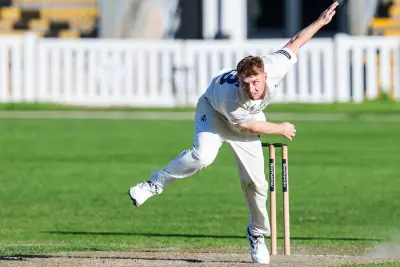
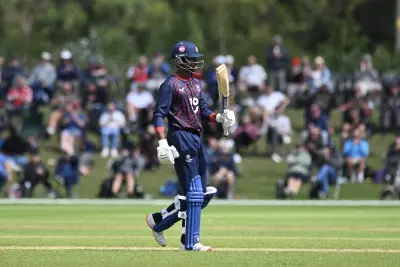
Lancashire Cricket Club has expressed deep frustration after their request for an injury replacement was rejected during a County Championship match. The team wanted to bring in Tom Bailey to take the place of Ajeet Singh Dale, who was unable to continue playing due to an injury. However, match officials turned down the request, leaving the team and its supporters confused. This decision has once again brought the complex rules regarding player substitutions in professional cricket into the spotlight.
Main Impact
The immediate impact of this decision was felt on the field, as Lancashire had to continue the match without one of their key players. In a long-format game like the County Championship, losing a bowler is a major disadvantage. It puts extra physical pressure on the remaining bowlers and limits the captain's options for changing the pace of the game. More broadly, this event has caused a stir in the cricket community, with many calling for the England and Wales Cricket Board (ECB) to make the substitution rules easier to understand and more consistent.
Key Details
What Happened
During the match, Ajeet Singh Dale suffered an injury that made it impossible for him to fulfill his role on the team. Following the standard procedure, Lancashire management approached the match officials to ask for a replacement. They proposed that Tom Bailey should step in to fill the gap. To the surprise of the coaching staff, the officials denied this request. The team described the situation as "bizarre," as they believed the replacement met the necessary requirements to be allowed under current rules.
Important Numbers and Facts
The County Championship follows specific guidelines set by the ECB. Under these rules, a replacement is usually only allowed if the injury is a concussion or if the match is being played under specific playing conditions that allow for a "like-for-like" substitute. A "like-for-like" replacement means the new player must have similar skills to the one leaving. For example, a fast bowler should be replaced by another fast bowler. In this case, the officials did not believe the situation justified the change, though the exact reasons for the denial have caused significant debate among cricket experts.
Background and Context
For a long time, cricket did not allow any substitutions at all. If a player got hurt, the team simply had to play with ten people, or use a "substitute fielder" who was not allowed to bat or bowl. This changed a few years ago when "concussion substitutes" were introduced to make the game safer. If a player is hit on the head, they can be replaced by someone who can play the full game. Since then, there have been discussions about whether this should be expanded to other serious injuries. Some competitions have tried different versions of these rules, but they remain a source of confusion because they are not the same in every type of cricket match.
Public or Industry Reaction
The reaction from Lancashire was one of total disbelief. Coaches and players often plan their entire strategy around having a full squad, and losing a player to an injury is hard enough without being told you cannot use a replacement. Fans on social media and cricket commentators have also weighed in, with many pointing out that the rules seem to change depending on who is making the decision. The word "inconsistent" has been used frequently to describe how these substitution requests are handled across different matches in the season. Many feel that if a player is genuinely hurt and cannot play, the game is better for everyone if a replacement is allowed.
What This Means Going Forward
This incident will likely lead to more meetings between county teams and the ECB. There is a growing demand for a rule book that leaves no room for doubt. If the goal is to keep the competition fair and protect the health of the players, many argue that the "like-for-like" rule needs to be more flexible. In the coming weeks, other teams will be watching closely to see if the officials provide a more detailed explanation for why Lancashire was blocked from making a change. This could lead to a formal review of the playing conditions before the next season begins.
Final Take
The situation faced by Lancashire highlights a major problem in modern cricket. While rules are necessary to keep the game fair, they must also make sense in real-world situations. Denying a team a replacement for an injured player can ruin the balance of a four-day match and put too much strain on the athletes who are left to finish the game. For the sport to move forward, the authorities need to ensure that common sense and clarity are at the heart of every decision made on the field.
Frequently Asked Questions
Why was Lancashire's request for a replacement denied?
The match officials decided that the situation did not meet the specific requirements for a player substitution under the current County Championship rules. These rules are often very strict about what counts as a valid reason for a full replacement.
What does "like-for-like" mean in cricket?
A "like-for-like" replacement is a player who has the same primary skill as the injured player. If a specialist opening batsman is injured, the replacement should also be an opening batsman, rather than a spin bowler or a wicketkeeper.
Are substitutions allowed for all injuries in cricket?
No, full substitutions where the new player can bat and bowl are usually only allowed for concussions. For other injuries, teams can often only use a substitute fielder who is not allowed to take an active part in batting or bowling.