
Summary
The people of Ladakh have launched new protests to demand statehood and special constitutional protections. These rallies began shortly after the release of climate activist Sonam Wangchuk, who has been a leading voice for the region. Residents are calling for more control over their land, jobs, and local government to protect their unique culture and environment. This movement marks a significant moment of unity between the different districts of the region as they seek a stronger political voice.
Main Impact
The primary impact of these rallies is the renewed pressure on the central government to address the political status of Ladakh. Since becoming a Union Territory in 2019, many locals feel they have lost their ability to make decisions for themselves. By coming together in large numbers, the people are showing that their demands for statehood and tribal protections are not fading away. This unity between the people of Leh and Kargil is particularly important, as these two areas have often had different political views in the past.
Key Details
What Happened
Thousands of people gathered in the streets of Ladakh to voice their concerns. The protests were organized by local groups who believe that the current system of being a Union Territory without a local legislature is not working. The release of Sonam Wangchuk acted as a spark, bringing more energy to the movement. Wangchuk had previously gone on a long fast to draw attention to the environmental and political issues facing the high-altitude region.
Important Numbers and Facts
The protesters have four main demands that they want the government to meet. First, they want Ladakh to be recognized as a full state. Second, they want the region to be included under the Sixth Schedule of the Indian Constitution, which provides special rights to tribal areas. Third, they are asking for separate seats in the Lok Sabha for both Leh and Kargil to ensure better representation in Parliament. Finally, they want a dedicated recruitment process to ensure that government jobs in the region are reserved for local residents.
Background and Context
In August 2019, the Indian government changed the status of Jammu and Kashmir. As part of this change, Ladakh was separated and made into a Union Territory. At first, many people in Leh celebrated because they had wanted to be separate from Kashmir for a long time. However, that happiness soon turned to worry. Residents realized that as a Union Territory without its own law-making body, they had very little power. Decisions about their land and resources were being made by officials who were not from the region.
Ladakh is a very sensitive area with a fragile environment. It sits high in the mountains and has a unique culture. People are afraid that without special protections, big companies might come in and damage the land through mining or large industrial projects. They also worry that people from outside the region will take all the available jobs, leaving the local youth with fewer opportunities.
Public or Industry Reaction
The reaction within Ladakh has been very strong and supportive. Local leaders from different political and religious backgrounds have joined hands to support the cause. They argue that the promises made to them in 2019 have not been kept. On the other hand, the central government has held several rounds of talks with Ladakh’s representatives. While the government has offered some protections, they have not yet agreed to the demand for full statehood or the Sixth Schedule. This has led to a feeling of frustration among the local population.
What This Means Going Forward
Moving forward, the situation in Ladakh remains tense but focused. The protesters have stated that they will continue their peaceful demonstrations until their voices are heard. If the government does not provide a clear plan for statehood or tribal protection, the protests could grow even larger. This could affect tourism and other local industries if the unrest continues for a long time. The next steps will likely involve more discussions between local leaders and the Ministry of Home Affairs to find a middle ground that satisfies the people of Ladakh while maintaining national security in the border region.
Final Take
The people of Ladakh are fighting for the right to decide their own future. Their demands are not just about politics; they are about protecting a way of life and a beautiful environment that is found nowhere else in the world. The government now faces the challenge of balancing local desires for self-rule with the administrative needs of a strategic border territory. How this situation is handled will set a major example for how regional grievances are addressed in the country.
Frequently Asked Questions
Why is the Sixth Schedule important for Ladakh?
The Sixth Schedule allows for the creation of autonomous councils that have the power to make laws about land, forests, and local traditions. This would help protect Ladakh’s tribal culture from outside influence.
Who is Sonam Wangchuk?
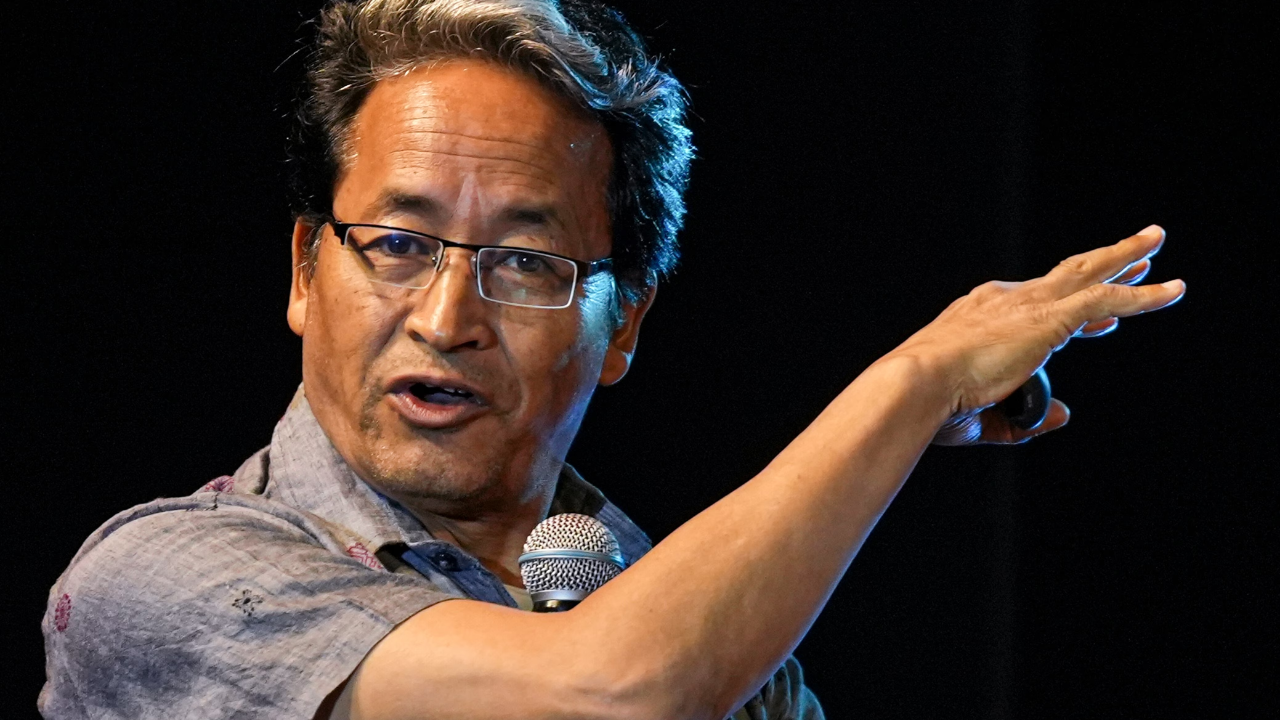
Sonam Wangchuk is a famous engineer and climate activist from Ladakh. He is known for his work in education reform and for leading protests to protect the environment and political rights of his people.
What is the difference between a State and a Union Territory?
A State has its own elected government and the power to make its own laws on many subjects. A Union Territory is managed more directly by the central government, often with less power for local residents to make big decisions.



