Summary
The global economy is facing a serious threat that has not been seen in five decades. A new conflict involving Iran has caused experts to worry about "stagflation." This is a rare and difficult situation where prices for everyday goods rise quickly while the economy stops growing. It is a dangerous combination that makes life harder for families and businesses alike.
Main Impact
The war in Iran is acting as a major shock to the world's financial systems. Usually, when an economy slows down, prices stop rising because people spend less money. However, this conflict is changing the rules. Because Iran is a major energy producer, the war is pushing up the cost of oil and gas. This means that even though people are buying less, the cost of living continues to climb. This creates a trap where the usual tools used by governments to fix the economy might not work.
Key Details
What Happened
The tension in the Middle East has reached a breaking point, leading to a direct conflict. This has disrupted the flow of oil through critical trade routes. When these routes are blocked or threatened, the global supply of energy drops almost instantly. Because the world relies on these resources for transport, heating, and manufacturing, the price of almost everything starts to go up. At the same time, the uncertainty of war makes companies afraid to invest and shoppers afraid to spend, which stops economic growth.
Important Numbers and Facts
It has been exactly 50 years since the last major stagflation crisis in the 1970s. Back then, an oil embargo caused prices to quadruple, leading to years of economic pain. Today, analysts are seeing similar patterns. Oil prices have jumped significantly since the start of the conflict. In many countries, inflation is staying well above the 2% target set by banks, while the growth of the Gross Domestic Product (GDP) is nearing zero or even turning negative in some regions.
Background and Context
To understand why this matters, we have to look at how the economy normally works. Usually, inflation and growth go hand in hand. When the economy is booming, people have jobs and spend money, which causes prices to rise slowly. When the economy is weak, prices usually stay flat or go down. Stagflation is "unnatural" because it combines the worst of both worlds: high prices and no jobs. The last time this happened, it took nearly a decade for the world to recover. The current situation with Iran is a "supply shock," meaning the problem isn't that people have too much money, but that the goods they need are becoming scarce and expensive due to the war.
Public or Industry Reaction
Financial markets have responded with high levels of worry. Stock markets have seen big swings as investors try to guess how long the war will last. Leaders of central banks are in a very difficult position. If they raise interest rates to fight high prices, they might make the economic slowdown even worse. If they lower interest rates to help the economy grow, they might make inflation rise even faster. Many industry experts are calling for governments to find new ways to secure energy so they do not have to rely so heavily on oil from conflict zones.
What This Means Going Forward
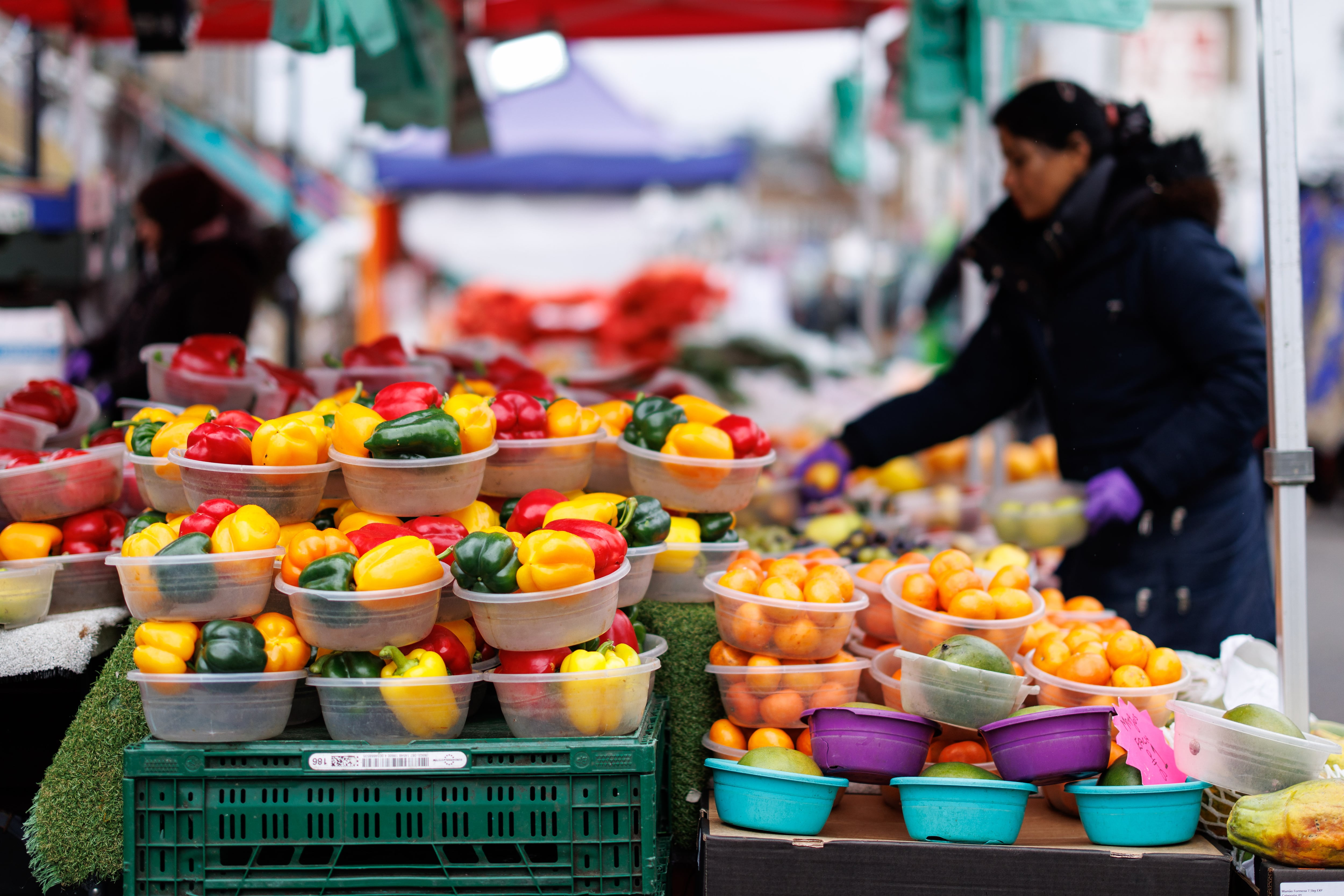
The next few months will be critical for the global economy. If the war in Iran ends quickly, the supply of oil might return to normal, and the risk of stagflation could fade. However, if the fighting continues, the world may enter a long period of economic struggle. Families should expect higher bills for gas and groceries for the foreseeable future. Businesses may also hold back on hiring new workers until they feel the situation is more stable. Governments will likely focus on finding alternative energy sources to prevent this kind of crisis from happening again in the future.
Final Take
The return of stagflation is a reminder of how connected the world is. A war in one region can quickly change the price of bread or fuel thousands of miles away. While the situation is difficult, it also forces a conversation about energy independence and how to protect the economy from external shocks. The lessons learned 50 years ago will be vital in navigating the challenges of today.
Frequently Asked Questions
What is stagflation?
Stagflation is an economic situation where prices go up (inflation) but the economy does not grow and unemployment remains high. It is considered very difficult to fix.
Why does the war in Iran affect global prices?
Iran is a major producer of oil and is located near important shipping lanes. Conflict there reduces the amount of oil available to the world, which drives up energy costs for everyone.
How can governments stop stagflation?
It is hard to stop because the usual fixes for inflation can hurt economic growth. Governments often try to find new energy sources or provide support to citizens while waiting for supply chains to stabilize.