
Summary
A major oil refinery in Kuwait was hit by an Iranian drone today, marking a sharp increase in regional tensions. This attack is the latest in a series of strikes aimed at energy hubs across the Gulf as the conflict between the US, Israel, and Iran grows. The strike has caused immediate concerns about the safety of global oil supplies and the possibility of a much larger war. Authorities are currently working to put out fires and assess the total damage to the facility.
Main Impact
The most direct impact of this attack is on the global energy market. Kuwait is one of the world's top oil producers, and any disruption to its refineries can cause gas prices to rise quickly in many countries. Beyond the money, this strike shows that energy sites are no longer safe from the ongoing fighting. It puts pressure on the United States and its allies to increase military protection around these sites.
The attack also makes the shipping lanes in the Gulf much more dangerous. If drones can hit land-based refineries easily, they can also hit oil tankers at sea. This risk makes insurance for ships more expensive and slows down the movement of goods. For the average person, this could mean higher costs for fuel and everyday items that are shipped across the ocean.
Key Details
What Happened
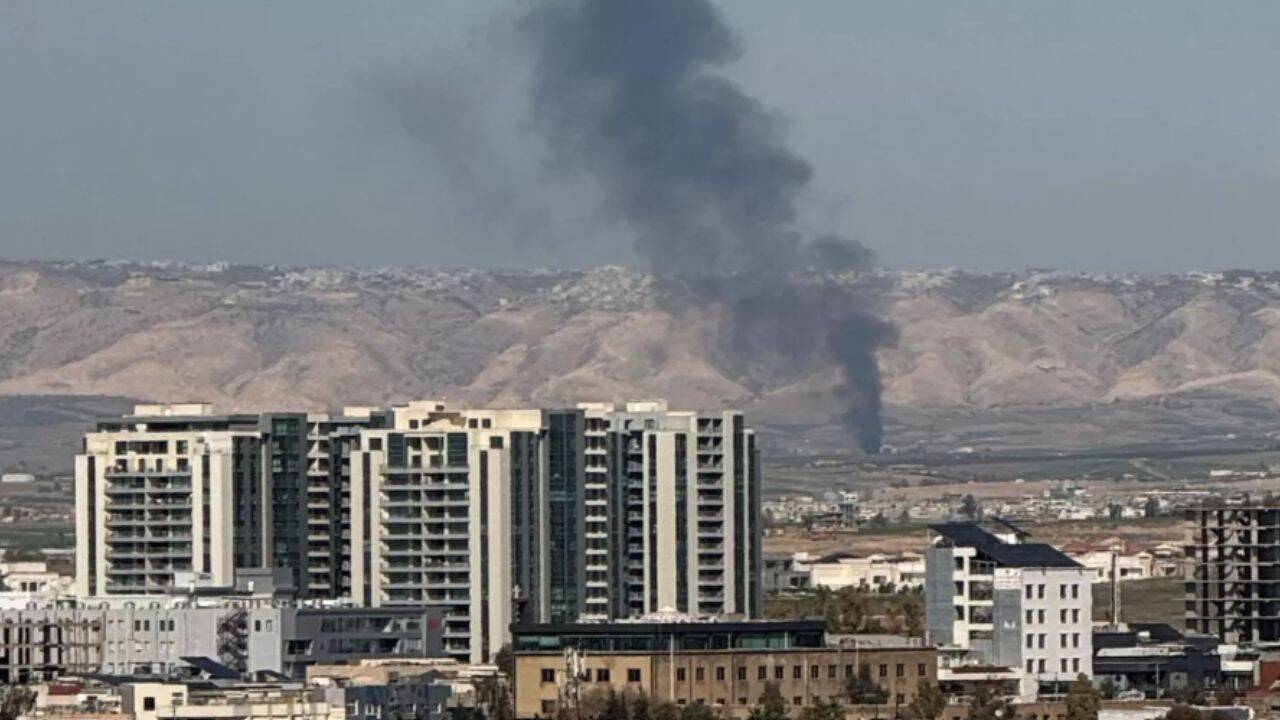
Early this morning, an explosive drone launched from Iranian territory entered Kuwaiti airspace. It targeted a key oil refinery that handles a large portion of the country's daily output. This is not the first time this specific site has been targeted, but this strike appears to have caused more physical damage than previous attempts. Local reports say that several storage tanks were hit, leading to large plumes of black smoke that could be seen for miles.
Important Numbers and Facts
The attack occurred at approximately 4:15 AM local time on March 20, 2026. This is the third major strike on a Gulf energy site in the last two weeks. While Kuwaiti officials have not released the exact number of barrels lost, early estimates suggest a 10% drop in the refinery's daily processing capacity. Oil prices on the global market jumped by nearly 4% within an hour of the news breaking. No deaths have been reported yet, but several workers are being treated for smoke inhalation.
Background and Context
The tension between Iran and Israel has been growing for a long time. Recently, this rivalry has turned into direct military actions. The United States has stepped in to support Israel, which has led Iran to target US allies in the Gulf region. Iran often uses drones because they are cheap, hard to track, and can be launched from far away.
By hitting oil refineries, Iran is trying to show the world that it can hurt the global economy if it is pushed too hard. Kuwait, while not directly involved in the fighting, is a close partner of the US and hosts American military bases. This makes it a target for groups or nations that want to send a message to Washington. The goal of these attacks is often to force the US and Israel to back down by making the cost of the war too high for everyone else.
Public or Industry Reaction
Energy experts are calling for better air defense systems around oil fields. Many industry leaders are worried that the current defenses are not enough to stop small, fast-moving drones. In the US, political leaders have condemned the attack, calling it a "reckless move" that threatens the whole world. Meanwhile, oil companies are looking for ways to move their operations to safer areas, though this is very difficult to do quickly.
In Kuwait, the public is worried about the safety of their jobs and the environment. The smoke from the refinery fires is a major health concern for people living nearby. Social media is filled with videos of the strike, and there is a general feeling of fear that the war is coming closer to home for people who used to feel safe.
What This Means Going Forward
The next few days will be very important. If the US or Israel decides to strike back at Iran for this attack, the situation could turn into a full-scale regional war. There is also a risk that Iran might try to close the Strait of Hormuz, which is a narrow water path where much of the world's oil travels. If that happens, oil prices could double or triple in a very short time.
Countries in the Gulf are likely to increase their military spending to buy better drone-stopping technology. We may also see more naval ships from different countries patrolling the waters to keep oil tankers safe. The focus will shift from just fighting a war to protecting the world's energy supply at all costs.
Final Take
The strike on Kuwait’s refinery is a clear sign that the conflict in the Middle East is spreading. It is no longer just about two or three countries fighting; it is now a threat to the global economy. As long as energy sites remain targets, the world will face high prices and constant uncertainty. Peace in the region is needed now more than ever to prevent a global financial crisis.
Frequently Asked Questions
Why was a Kuwaiti refinery targeted?
Kuwait is a major oil producer and a partner of the US. Targeting its refineries is a way for Iran to pressure the US and its allies by hurting the global oil supply.
Will oil prices go up because of this?
Yes, oil prices have already started to rise. If the damage is found to be long-term or if more attacks happen, gas prices at the pump will likely increase for consumers worldwide.
What is being done to stop these drone attacks?
Countries are trying to install better radar and laser systems to shoot down drones. The US and its allies are also increasing their military presence in the Gulf to scare off future attackers.

