
Summary
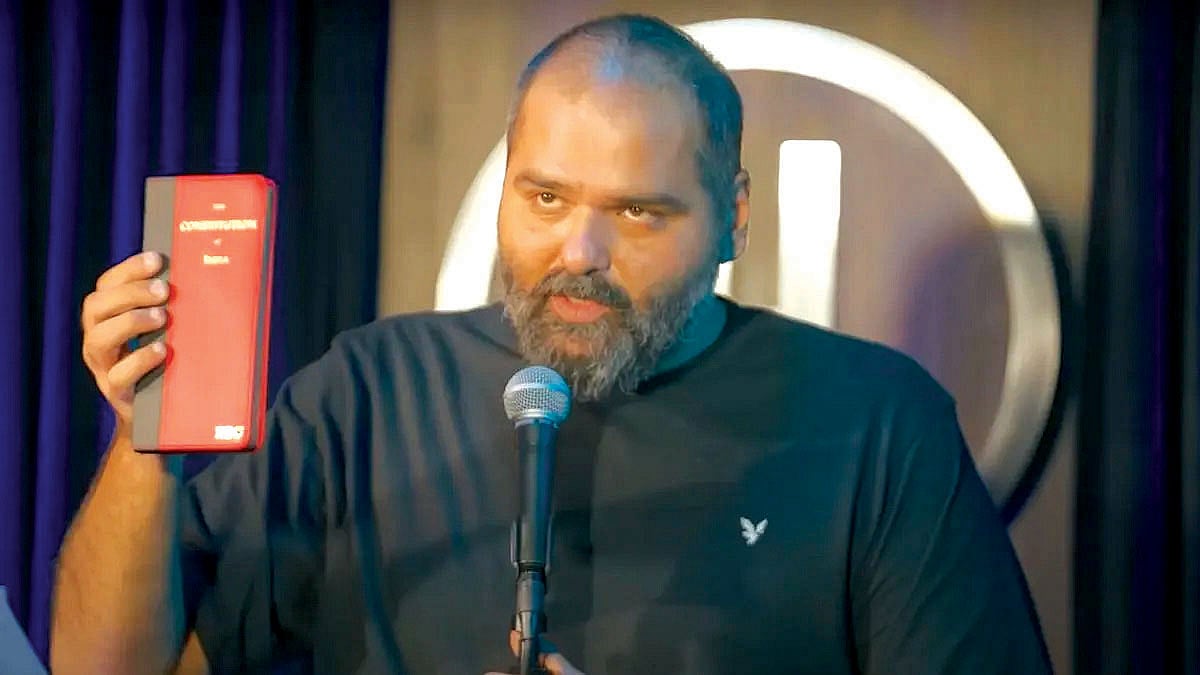
Comedian Kunal Kamra has officially responded to a legal notice from the Maharashtra legislature. The notice accuses him of "breach of privilege" for a satirical song he performed about Chief Minister Eknath Shinde. In his defense, Kamra pointed to the history of Bal Thackeray, the founder of the Shiv Sena, who was a famous political cartoonist. Kamra argued that if the current government claims to follow Thackeray’s path, they should also respect the tradition of political satire and free speech.
Main Impact
This case is a major test for free speech and political humor in India. It shows how powerful politicians can use old legislative rules to target private citizens who criticize them. By using Bal Thackeray’s own work as a shield, Kamra is forcing the government to choose between protecting their leader's image and honoring the artistic roots of their political movement. The outcome could decide how much freedom artists have to mock elected officials in the future.
Key Details
What Happened
The controversy began after Kunal Kamra performed a parody song during a show in Mumbai. The song used a famous tune from a Bollywood movie to comment on the political changes in Maharashtra and the leadership of Eknath Shinde. Shortly after, BJP leader Pravin Darekar filed a complaint, claiming the joke insulted the Chief Minister and the dignity of the legislature. This led to a formal notice from the privileges committee, which has the power to punish people for showing disrespect to the house.
Important Numbers and Facts
The legal battle has been going on for over a year. In March 2025, a group of political supporters allegedly attacked a venue in Mumbai where Kamra was supposed to perform. Following this, an official police report was filed against him for defamation. Kamra was asked to give an unconditional apology to settle the matter, but he refused. He stated that a forced apology would be dishonest and that he stands by his right to perform satire.
Background and Context
To understand this fight, it is important to know who Bal Thackeray was. Before he became a powerful political leader, he was a professional cartoonist. He often drew sharp, biting pictures that mocked the most powerful people in India, including former Prime Minister Indira Gandhi. Kamra’s defense relies on this fact. He argues that Thackeray himself used humor to challenge the government, and therefore, satire is a core part of the political culture that Eknath Shinde claims to represent.
Legislative privilege is a set of special rights given to lawmakers so they can do their jobs without outside pressure. However, critics argue that these powers are sometimes used to silence regular people who speak out against the government. Kamra mentioned in his response that in a modern democracy, it is worrying when elected officials use their power to go after citizens just because they do not like a joke.
Public or Industry Reaction
The reaction to Kamra’s stand has been split. On one side, Shiv Sena minister Pratap Sarnaik warned that party supporters are "aggressive" and might react strongly to insults against their leaders. He confirmed that the committee is now looking at Kamra’s written response. On the other side, many artists and free-speech advocates see this as a form of bullying. They worry that if a comedian can be punished for a song, it will stop others from speaking their minds. The BJP, which filed the complaint, insists that there is a line between humor and "insulting" the state's highest offices.
What This Means Going Forward
The privileges committee, led by Prasad Lad, will now review Kamra’s explanation. They have the power to recommend a variety of actions, ranging from a simple warning to more serious legal consequences. If they decide to punish Kamra, it could lead to a long court battle over the limits of legislative power. This case will likely serve as a guide for how other states handle criticism from the public. It also puts pressure on political parties to define whether they truly support the "fiery" and "rebellious" spirit of their founders or if they prefer to use the law to keep critics quiet.
Final Take
Political satire has always been a way for people to talk back to power. By citing Bal Thackeray’s own cartoons, Kunal Kamra is reminding the public that those in power today once used the same tools of mockery to get where they are. Using legal threats to stop a comedian might protect a politician's feelings, but it often does more harm to the health of a democracy. The final decision by the committee will show whether the state values its history of bold expression or if it prefers to stay silent in the face of criticism.
Frequently Asked Questions
What is a breach of privilege notice?
It is a legal notice issued when a person is accused of insulting the dignity or interfering with the work of a legislative body or its members. It can lead to penalties if the person is found guilty by a committee.
Why did Kunal Kamra mention Bal Thackeray?
Kamra mentioned him because Thackeray was a famous cartoonist who mocked prime ministers. Kamra argues that satire is a tradition that the current government should protect, rather than punish.
Did Kunal Kamra apologize for his joke?
No, he refused to give an unconditional apology. He told the committee that such an apology would be "insincere" and that he believes in his right to perform political satire.

