
Summary
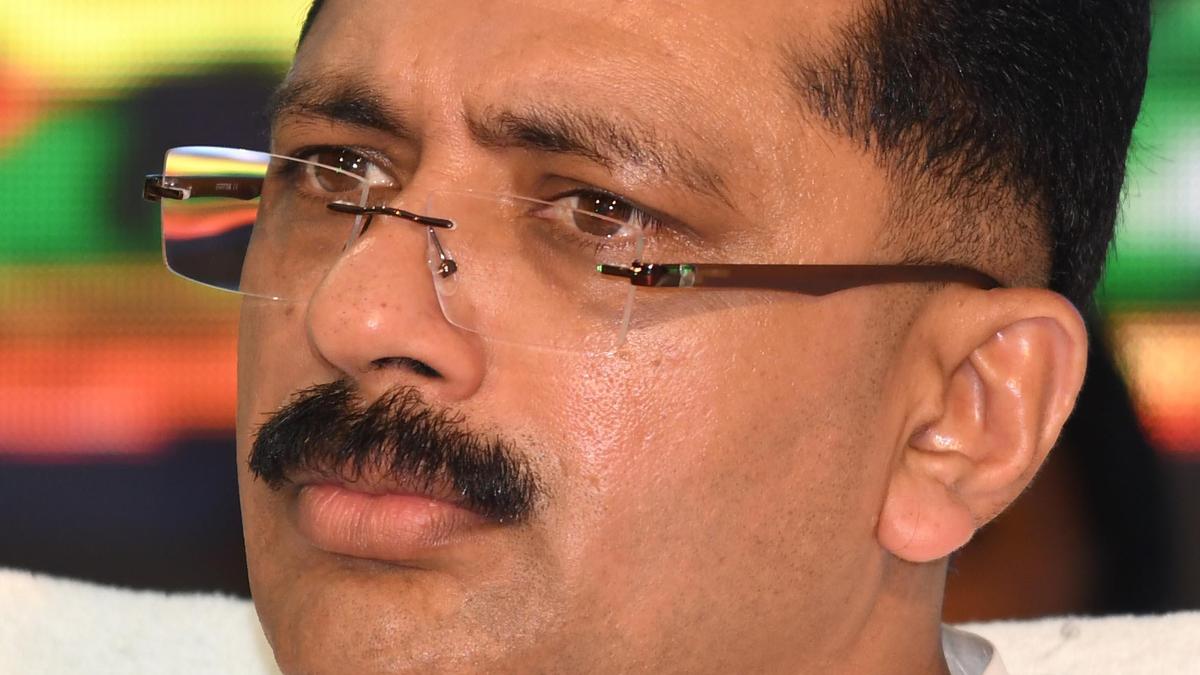
As the 2026 Kerala Assembly Elections draw near, veteran politician K.T. Jaleel has raised serious concerns about how the media treats different political leaders. Jaleel claimed that he has never received any special treatment or "pampering" from news organizations throughout his career. Instead, he accused the media of being overly soft on the Indian Union Muslim League (IUML) and the Congress party. This statement has sparked a fresh debate about the role of the press in the upcoming election cycle.
Main Impact
The comments made by K.T. Jaleel highlight a deep-seated tension between certain political figures and the media in Kerala. By accusing news outlets of favoring the opposition, Jaleel is setting the stage for a highly contested election where the fairness of news coverage will be a major talking point. This could lead to voters questioning the neutrality of the information they receive, potentially shifting how people form their opinions before heading to the polls in 2026.
Key Details
What Happened
During a recent interaction, K.T. Jaleel spoke openly about his relationship with the press. He stated that while some politicians are treated with great care by journalists, he has always faced tough scrutiny. Jaleel specifically pointed out that the media often ignores or makes light of the mistakes made by leaders from the Indian Union Muslim League and the Congress. He suggested that there is a double standard in how news is reported in the state.
Important Numbers and Facts
K.T. Jaleel is a well-known member of the Kerala Legislative Assembly and has previously served as a minister. He has a long history of political rivalry with the IUML, a party he was once a member of before joining the Left Democratic Front (LDF) camp. The 2026 elections are expected to be a critical turning point for Kerala, as the LDF seeks to maintain its hold on power while the United Democratic Front (UDF), led by Congress and IUML, tries to make a comeback. Jaleel’s remarks come at a time when political parties are already beginning their early campaigns and social media strategies.
Background and Context
In Kerala, the media plays a very powerful role in shaping public opinion. The state has a high literacy rate and a very active news culture, with many television channels and newspapers following every move of political leaders. For years, there have been claims from various sides that certain media houses have political leanings. K.T. Jaleel has often been at the center of media storms, especially regarding past controversies and investigations. He feels that the press focuses too much on his actions while letting his political opponents off the hook for similar or worse behavior.
The Indian Union Muslim League and the Congress are the two biggest parts of the UDF coalition. Jaleel’s criticism is aimed at the idea that these parties have a "shield" provided by friendly journalists. This context is important because it shows that the fight for the 2026 election is not just happening on the ground, but also in the newsrooms and on television screens across the state.
Public or Industry Reaction
The reaction to Jaleel’s statement has been split along political lines. Supporters of the LDF have praised him for speaking the truth about what they call "media trials." They argue that the press often targets Left-leaning leaders to help the opposition. On the other hand, representatives from the IUML and Congress have dismissed his claims. They suggest that Jaleel is simply trying to play the victim card because he knows the 2026 election will be difficult. Journalists in the state have also responded, with some defending their work as balanced and others admitting that the pressure of political reporting is higher than ever.
What This Means Going Forward
As the election gets closer, we can expect more politicians to voice their frustrations with the media. This could lead to a change in how candidates interact with journalists. Some might choose to use social media more often to talk directly to voters, bypassing traditional news outlets altogether. For the public, this means it will be even more important to look at multiple sources of information. The 2026 Kerala Assembly Elections will likely be remembered as a time when the media’s own bias became a central issue in the campaign itself.
Final Take
K.T. Jaleel’s comments serve as a loud warning about the influence of the press in modern politics. Whether his claims are fully accurate or part of a political strategy, they highlight a growing lack of trust between leaders and the people who report on them. As Kerala prepares for its next big vote, the demand for fair and honest reporting will only grow louder.
Frequently Asked Questions
Who is K.T. Jaleel?
K.T. Jaleel is a prominent politician in Kerala and a member of the Legislative Assembly. He formerly served as a minister in the state government and is known for his strong views against the IUML.
What did Jaleel say about the media?
He claimed that the media gives special, favorable treatment to the Congress and the Indian Union Muslim League while being unfairly harsh toward him and other leaders.
When are the next Kerala Assembly Elections?
The next major elections for the Kerala State Assembly are scheduled to take place in 2026.



