
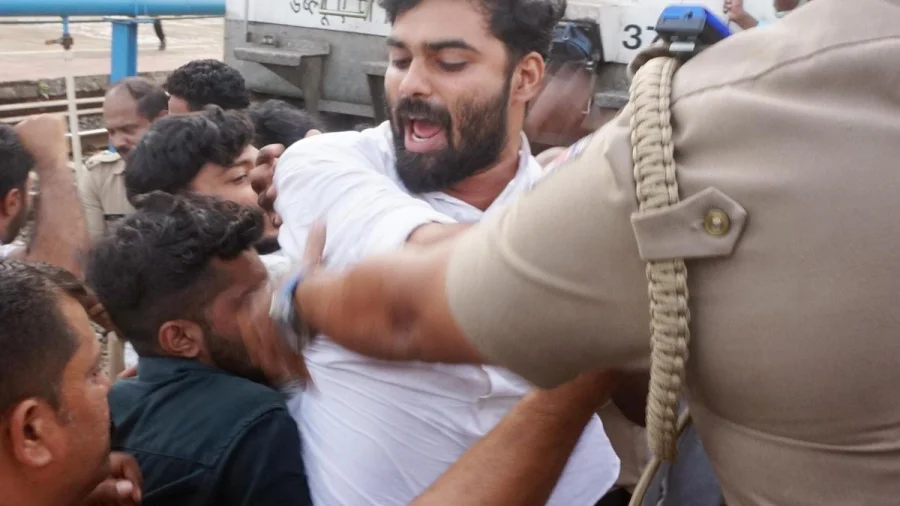
Train services in Kannur came to a sudden halt on [Date] as activists of the Kerala Students Union (KSU) staged a railway blockade, leaving hundreds of passengers stranded and sparking concerns over student unrest in the region.
What Triggered the KSU Railway Blockade in Kannur?
The protest, organized by the student wing of the Indian National Congress, was aimed at pressing for demands related to student welfare and educational issues. While the exact list of demands has not been officially released, sources indicate that the KSU is seeking action on long-pending grievances, including hostel facilities, fee reductions, and better campus infrastructure.
How the Blockade Disrupted Train Services
The blockade began early in the morning when KSU activists gathered at a key railway crossing in Kannur and sat on the tracks, refusing to move. This led to the immediate halting of several passenger and express trains passing through the region. Commuters, including daily wage workers and students, faced hours of delay as railway authorities scrambled to manage the situation.
Official Response and Police Intervention
Railway Protection Force (RPF) personnel and local police were rushed to the spot. Officials appealed to the protesters to vacate the tracks, warning of legal action. After negotiations, the blockade was lifted peacefully, and train services began resuming gradually. No arrests have been reported so far.
Impact on Passengers and Daily Life
The disruption caused significant hardship for passengers, many of whom were traveling for work, exams, or medical appointments. "I have been waiting for over two hours. My train is stuck, and I have an important meeting," said a frustrated commuter at Kannur railway station. The blockade also affected goods trains, impacting supply chains in the region.
KSU's Stance and Future Plans
KSU leaders stated that the blockade was a last resort after their demands were ignored by authorities. "We are forced to take to the streets and tracks because our voices are not being heard," a KSU spokesperson said. The union has warned of more protests if their demands are not addressed promptly.
Broader Context of Student Protests in Kerala
This blockade is part of a larger pattern of student activism in Kerala, where campus politics remain vibrant and often spill into public spaces. The KSU, along with other student organizations, has frequently used agitations to draw attention to educational and social issues. The state has seen similar protests in the past, highlighting the deep-rooted nature of student-led movements.
What Remains Unclear
While the blockade has been lifted, the specific demands of the KSU have not been fully detailed in official statements. It is also unclear whether the government has agreed to any negotiations. The long-term resolution of the issues raised remains uncertain.
Risks and Balanced View
While the KSU's right to protest is constitutionally protected, the blockade of railway tracks raises legal and safety concerns. Critics argue that such actions inconvenience the public and disrupt essential services. Supporters, however, maintain that peaceful civil disobedience is sometimes necessary to force authorities to act on neglected issues.
Wider Trend of Student-Led Disruptions
The Kannur blockade is not an isolated incident. Across India, student unions have increasingly turned to public protests, including railway and road blockades, to amplify their demands. This trend reflects a growing frustration among students with the pace of administrative response to their concerns.
Practical Guidance for Commuters
Passengers traveling through Kannur are advised to check train schedules before heading to the station. Railway authorities have set up helplines for real-time updates. Commuters are also encouraged to plan alternative travel routes in case of future protests.
Future Outlook
The coming days will be crucial as KSU leaders and government officials are expected to hold talks. If the demands are met, the situation may de-escalate. However, if no resolution is reached, further protests—possibly more disruptive—cannot be ruled out.
Our Take
The KSU railway blockade in Kannur underscores the deep disconnect between student bodies and authorities. While the protest was peaceful, the disruption to public life highlights the urgent need for dialogue. Both sides must prioritize communication over confrontation to avoid further inconvenience to the public.
Frequently Asked Questions
Why did KSU stage a railway blockade in Kannur?
The KSU blocked railway tracks in Kannur to protest against unaddressed student demands, including issues related to hostel facilities, fees, and campus infrastructure.
Which trains were affected by the Kannur blockade?
Several passenger and express trains passing through Kannur were delayed or halted. Specific train numbers have not been released, but commuters reported widespread disruption.
Was the blockade violent?
No, the blockade was peaceful. KSU activists sat on the tracks and were removed after negotiations with police. No arrests or injuries have been reported.
What happens next after the KSU protest?
Talks between KSU leaders and authorities are expected. If demands are not met, the union has warned of further protests. Commuters should stay updated on train schedules.



