
Summary
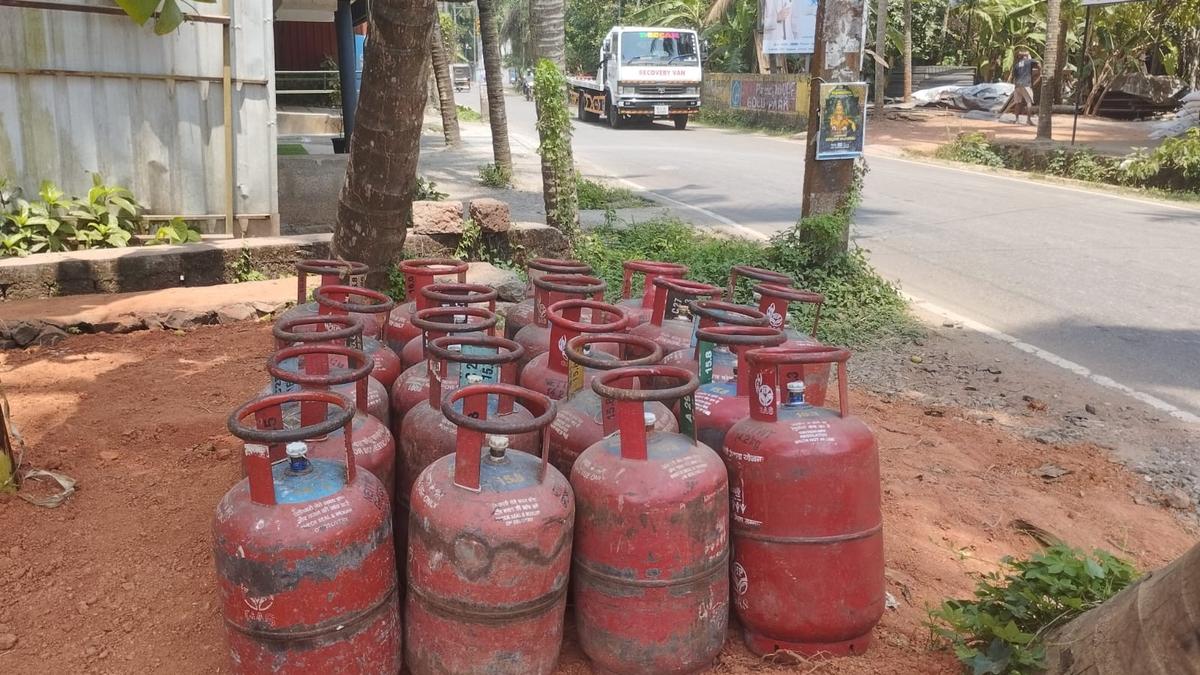
The district of Kozhikode in Kerala is currently facing a severe shortage of commercial Liquefied Petroleum Gas (LPG). This supply crisis has started to affect several important sectors, including the food industry, public transport, and essential community services. Business owners and service providers are struggling to find enough fuel to keep their operations running, leading to a visible slowdown in daily activities across the region. The situation has become so critical that even essential services like public crematoriums have been forced to turn people away.
Main Impact
The primary impact of this shortage is being felt by small business owners and daily wage workers who rely on commercial gas for their livelihood. Since commercial LPG is the main fuel source for restaurants and street food stalls, many are finding it difficult to prepare meals for their customers. This shortage does not just affect profits; it also impacts the availability of affordable food for the general public. Furthermore, the transport sector is seeing a decline in available vehicles, as many auto-rickshaws in the city run on gas. When these drivers cannot find fuel, they lose their daily income, and commuters are left without easy ways to travel.
Key Details
What Happened
The crisis began when the regular supply of commercial LPG cylinders to Kozhikode district started to drop significantly. Unlike domestic gas used in homes, commercial gas is sold in larger cylinders and is essential for industrial and business use. The sudden dip in supply has created a long waiting list for refills. Many distributors have informed their regular customers that they do not have enough stock to meet the current demand. This has forced many users to look for alternative fuel sources, which are often more expensive or less efficient.
Important Numbers and Facts
The shortage has reached a point where two major gas-based crematoriums in Kozhikode city have officially stopped taking new bookings. These facilities require a steady and high-pressure supply of gas to function properly. Without it, they cannot perform funeral rites, causing significant distress to families during difficult times. Additionally, hundreds of auto-rickshaw drivers who converted their vehicles to LPG to save on fuel costs are now facing a total loss of work. Charity organizations that provide free meals to hospitals and the homeless have also reported that their cooking schedules are being disrupted because they cannot secure the necessary gas cylinders.
Background and Context
LPG is a vital part of the energy mix in Kerala. Over the last few years, many businesses and transport providers moved away from traditional fuels like wood or expensive fuels like petrol to use LPG. It was seen as a cleaner and more cost-effective option. However, this shift has made the local economy very dependent on a steady supply of gas. When the supply chain breaks down, as it has now in Kozhikode, the effects are felt almost immediately across multiple levels of society. The current crisis highlights how vulnerable small businesses and essential services are to changes in the fuel market.
Public or Industry Reaction
The reaction from the local community has been one of deep concern and frustration. Hotel and restaurant owners' associations have expressed worry that if the shortage continues, many small eateries may have to shut down temporarily. They have called on the government and oil companies to prioritize the supply of commercial cylinders to prevent a total collapse of the local food industry. Charity workers have also voiced their struggles, noting that the people they serve are the most vulnerable and cannot afford to wait for the supply to normalize. Meanwhile, auto-rickshaw unions are asking for immediate intervention to ensure that gas stations have enough fuel for public transport vehicles.
What This Means Going Forward
If the supply of commercial LPG is not restored quickly, the district could see a rise in the cost of living. Restaurants may be forced to increase food prices to cover the cost of more expensive alternative fuels. There is also a risk that more public services will be interrupted. Moving forward, authorities will need to look into the root cause of the supply chain failure to prevent this from happening again. Whether the issue is at the bottling plants or in the distribution network, a long-term solution is needed to ensure that essential services like crematoriums and charity kitchens are never left without fuel.
Final Take
The LPG crisis in Kozhikode is a reminder of how essential reliable energy is for the smooth running of a city. From the food we eat to the way we travel and even how we honor the dead, gas plays a quiet but vital role. Solving this shortage is not just about helping businesses; it is about maintaining the basic services that the community relies on every day. Quick action from officials is necessary to bring stability back to the district and support the workers and families affected by this fuel gap.
Frequently Asked Questions
Why is there a shortage of commercial LPG in Kozhikode?
The shortage is due to a disruption in the supply chain and a decrease in the number of cylinders being delivered to distributors in the district. This has created a gap between the high demand from businesses and the available stock.
Which groups are most affected by the gas shortage?
The most affected groups include hotel and restaurant owners, LPG-powered auto-rickshaw drivers, charity organizations that provide free meals, and public crematoriums that rely on gas for their operations.
Is domestic cooking gas affected by this crisis?
The current report focuses on commercial LPG, which is used by businesses and for industrial purposes. While domestic supply is usually handled through different channels, the pressure on the overall system can sometimes cause delays in other areas as well.



