
Summary
A major political dispute has broken out in Kozhikode, Kerala, following the opening of a room used for storing election materials. Candidates from the United Democratic Front (UDF) representing six different areas have raised serious concerns about the incident. They claim that the room was opened by officials without giving them any prior notice or information. However, election officials have clarified that the room was not a high-security strong room and was only opened to perform necessary technical updates for the election software.
Main Impact
The main impact of this event is a growing sense of distrust between political parties and election officials in the region. In any democratic process, the security of election materials is a very sensitive topic. When rooms containing these materials are opened without clear communication, it leads to accusations of unfairness and a lack of transparency. This situation has forced the District Collector to step in and explain the situation to prevent further public worry. The dispute could lead to formal complaints being filed with higher election authorities, which might slow down the administrative work required for the upcoming polls.
Key Details
What Happened
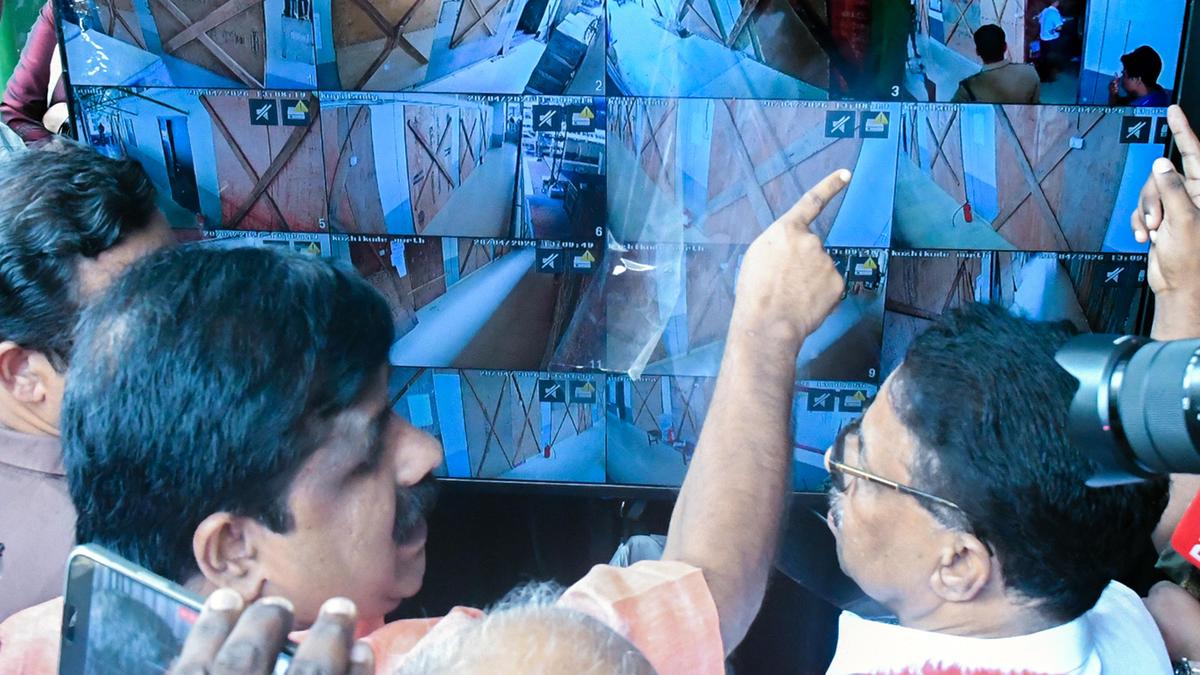
The controversy started when UDF candidates noticed that a storage room in Perambra was being accessed by officials. These candidates, who are running for seats in six different constituencies, argued that they should have been told about this activity beforehand. They believe that any room holding items related to the voting process should be treated with the highest level of security. The candidates expressed fear that the integrity of the election could be at risk if officials can enter these rooms whenever they want without witnesses from all political sides.
Important Numbers and Facts
The incident involves six constituencies within the Kozhikode district. The room in question was located at a center in Perambra. According to the District Collector, who also serves as the main election officer for the area, the room was "unsealed." This means it was not under the same strict lock-and-key rules as a "strong room," which is where the actual Electronic Voting Machines (EVMs) and ballots are kept after voting. The officials stated that the room was opened specifically to collect data needed to update the official polling software. They also mentioned that agents representing the candidates were present at the time, though the candidates themselves dispute how much they were told.
Background and Context
To understand why this is a big deal, it is important to know how election security works. There are different types of storage rooms used during an election. A "strong room" is the most secure place; it is where the machines that hold the actual votes are stored. These rooms are usually guarded by police and are only opened when representatives from all political parties are watching. On the other hand, there are rooms for "polling materials." These rooms hold things like paper forms, pens, ink, and other supplies needed at polling stations. While these materials are important, they do not contain actual votes. The current argument is about whether this specific room should have been treated with the same level of strictness as a strong room.
Public or Industry Reaction
The reaction from the UDF has been one of anger and suspicion. Leaders from the party have stated that the rules for election transparency were ignored. They feel that even if the room only held stationery and software data, the officials should have sent a formal letter or message to all candidates before opening the door. This would have allowed the candidates to send their own observers to make sure everything was done correctly. On the other side, the Returning Officer for Perambra has stood by the decision. The officer explained that the work was a routine part of preparing for the election and that there was no attempt to hide anything from the public or the political parties.
What This Means Going Forward
Looking ahead, this incident will likely lead to much stricter rules for communication in Kozhikode. To regain the trust of the candidates, election officials will need to be more careful about how they handle even the smallest tasks. We can expect that for any future room openings, formal written notices will be sent out well in advance. This event also serves as a reminder to all election staff that transparency is just as important as the actual security of the ballots. If the UDF decides to take this matter further, it could result in an investigation by the Election Commission to see if any official protocols were actually broken.
Final Take
The smooth running of an election depends on everyone believing that the process is fair. While the officials may have been doing a routine job to update software, the failure to communicate clearly has created a problem where there didn't need to be one. For the rest of the election season, the focus will likely stay on ensuring that every action taken by officials is done in the light of day with all parties watching. Clearer communication is the only way to make sure that the final election results are accepted by everyone without any doubt.
Frequently Asked Questions
What is the difference between a strong room and a material room?
A strong room is a high-security area where voting machines and ballots are kept. A material room stores general supplies like forms, ink, and stationery used during the voting process.
Why were the candidates upset?
The candidates were upset because they felt they were not properly informed before the room was opened. They believe that all activities related to election storage should be done with prior notice to ensure transparency.
What was the official reason for opening the room?
Officials stated the room was opened to collect data needed for updating the polling software. They maintained that it was a routine administrative task and that candidate agents were present during the process.



